
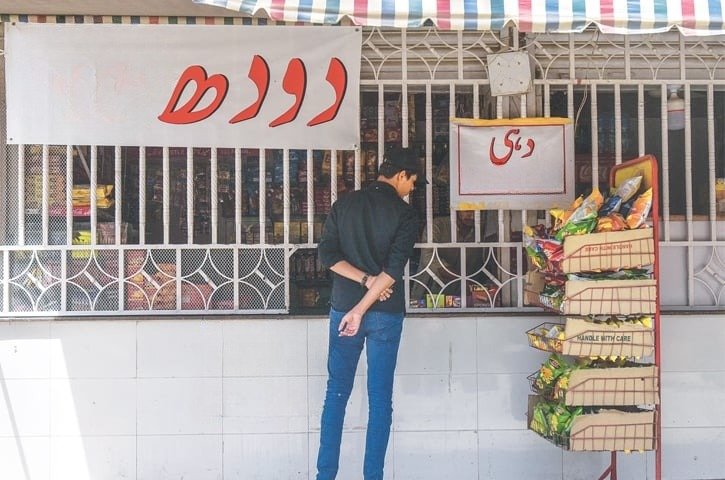
The Sindh government has announced a major relief measure for dairy shops, exempting them from operating hour restrictions under its austerity policy. The decision aims to ensure uninterrupted milk supply across the province while addressing the long-standing concerns of farmers, retailers, and consumers who rely on daily access to fresh milk.
The move comes through a formal notification issued under the direction of Chief Minister Syed Murad Ali Shah and the provincial Home Department. Authorities have allowed dairy businesses to continue operations without time limits, recognizing the essential nature of milk in everyday consumption.
Government Decision Eases Industry Pressure
The Dairy and Cattle Farmers Association (DCFA) Pakistan has strongly welcomed the decision. In an official statement, the association praised the Sindh government for understanding the operational challenges faced by the dairy sector.
Shakir Umar Gujjar, Central President of DCFA Pakistan, said the exemption would significantly benefit dairy shops that struggled under restricted operating hours. He noted that milk distribution requires flexibility, as delays can lead to spoilage and financial losses.
He added that farmers and retailers had been demanding such relief for months. The new policy, he said, reflects the government’s responsiveness to ground realities.
Milk Supply and Public Convenience
Milk remains a staple in Pakistani households. It is consumed multiple times a day in homes, restaurants, and tea stalls. Any disruption in availability can affect daily routines and business operations.
By allowing dairy shops to operate without restrictions, the government has ensured that consumers can access fresh milk at any time. This step is particularly important in urban areas where demand continues late into the night.
Experts say that milk’s perishable nature requires continuous movement through the supply chain. Flexible business hours help maintain quality and reduce waste.
Farmers Face Ongoing Challenges
Before this policy shift, dairy farmers were facing multiple challenges. Rising feed costs, fuel prices, and transportation issues had already strained their operations.
Limited timings forced farmers to rush deliveries to dairy shops, often resulting in inefficiencies. In many cases, unsold milk had to be discarded due to delays, leading to significant financial losses.
Retailers also reported declining customer satisfaction. Consumers often complained about limited access during restricted hours. The exemption now allows smoother coordination between farmers and shopkeepers.
Economic Boost for Dairy Sector
The dairy sector is a vital part of Pakistan’s economy. It supports millions of livelihoods, especially in rural areas where livestock farming remains a primary source of income.
Industry analysts believe the new policy will improve efficiency across the supply chain. With dairy shops operating freely, farmers can distribute milk more effectively, reducing wastage and increasing profitability.
The decision is also expected to stabilize milk prices by ensuring consistent availability in the market. This will benefit both consumers and producers in the long run.
Association Assures Full Cooperation
The Dairy and Cattle Farmers Association has assured the government of its full support. In its statement, the association pledged to follow all regulations while maintaining quality standards.
Shakir Umar Gujjar emphasized that the sector understands its responsibility toward consumers. He said stakeholders will continue to provide safe and hygienic milk products through dairy shops across the province.
The association also highlighted the importance of ongoing dialogue between policymakers and industry representatives to address future challenges.
A Step Toward Farmer-Friendly Policies
The exemption has been widely seen as a positive step toward supporting agriculture and livestock sectors. Stakeholders have long called for policies that consider the unique needs of dairy farming.
By removing restrictions on dairy shops, the Sindh government has acknowledged that essential commodities require special treatment. Experts suggest that similar measures should be adopted in other provinces to strengthen the national dairy industry.
Expectations
The DCFA expressed hope that the government will continue introducing farmer-friendly policies. It called for further initiatives to improve infrastructure, reduce production costs, and enhance market access.
Stakeholders also expect better regulation of milk quality and pricing. They believe that consistent policies can create a more stable environment for growth.
As economic pressures continue, targeted relief measures like this can help sustain essential industries. The dairy sector, which plays a crucial role in both rural livelihoods and urban consumption, stands to benefit greatly from this policy shift.