
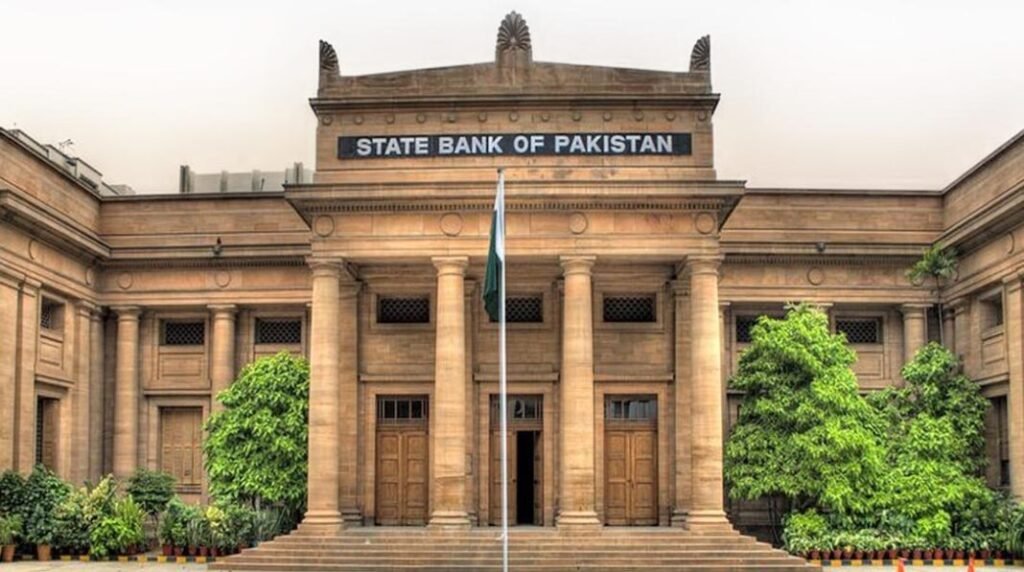
The Monetary Policy Committee of the State Bank of Pakistan (SBP) today (March 9, 2026) opted to leave the policy rate unchanged at 10.5%, signalling continued vigilance in an environment marked by escalating Middle East tensions and sharply higher global energy costs.
This is the second consecutive hold of 2026, following January’s unexpected pause at the same level. The stance reflects heightened caution after Brent crude’s rapid 25% climb and corresponding 37–49% jumps in global diesel prices – developments that directly feed into Pakistan’s import bill and domestic inflation pressures.
A widely followed pre-MPC poll by Topline Securities (March 6) captured the prevailing view: 92% of participants expected the rate to stay unchanged, citing the sudden reversal in energy price dynamics and regional uncertainty. Notably:62% anticipated the conflict-related turmoil persisting for 2–5 weeks.
Money-market indicators had already priced in caution, with 6-month T-bill and KIBOR yields rising 58–85 bps in the lead-up.
Looking forward, 60% saw rates holding near current levels through June, while inflation expectations settled around 7% on average and the rupee broadly stable at 280–285 to the dollar.
The MPC’s decision buys time to assess whether the oil shock proves transitory or becomes embedded in medium-term inflation and external balances. It follows a cumulative easing cycle (including the December 2025 50 bps reduction to 10.5%) that had supported early signs of growth recovery.
While the hold preserves hard-won macroeconomic stability, analysts warn that an extended period of elevated global energy prices – or currency slippage – could shift the balance toward future tightening. For now, SBP appears focused on safeguarding the 5–7% medium-term inflation target while monitoring real-side momentum.