
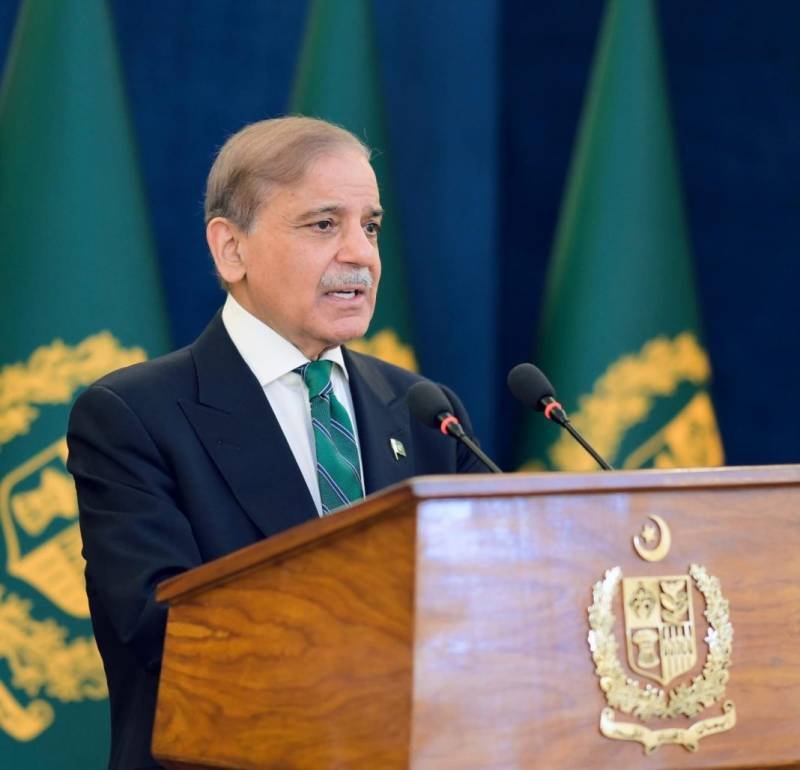
Prime Minister Shehbaz Sharif has unveiled a comprehensive package of measures to invigorate Pakistan’s industry, trade, and exports, signaling a shift from economic stabilization to sustainable growth.
Addressing top exporters and business leaders, he highlighted recent achievements like doubled foreign exchange reserves and single-digit inflation, while stressing the need to combat rising poverty and stagnant exports through targeted incentives.
Key Rate Reductions and Incentives
The export refinance rate has been slashed by 300 basis points to 4.5% from 7.5%, easing financing for exporters. Industrial power tariffs are reduced by Rs4.04 per unit, with the PM expressing a desire to cut them further by Rs10 per unit.
Wheeling charges for industries have been lowered by Rs9 per kWh, addressing high energy costs that hinder competitiveness. Top-performing exporters will receive blue passports for two years as a recognition of their contributions.
The policy rate has dropped from 22% to 10.5%, reflecting improved macroeconomic stability. Foreign exchange reserves have doubled, primarily through loans from allies like China, Saudi Arabia, UAE, and Qatar.
Path to Sustainable Growth
PM Shehbaz emphasized lowering direct taxes to foster industry and exports, while upholding indirect tax collections. He noted that Pakistani exporters face disadvantages against competitors with lower electricity and policy rates. The government aims to transition the economy toward export-led growth, attracting foreign direct investment (FDI) focused on exports.
Businesses should be driven by the private sector, not the state, to ensure efficiency. Recent awards to outstanding exporters underscore the focus on performance. The State Bank of Pakistan maintained the benchmark rate at 10.5% in its first 2026 meeting.
These steps come amid calls for deeper reforms to tackle unemployment and poverty. Overall, the initiatives aim to place Pakistan on a durable growth trajectory, boosting global competitiveness.