
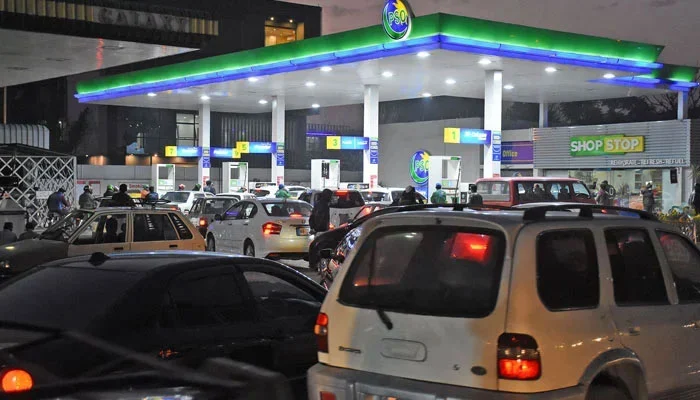
Pakistan has announced a significant increase in retail fuel prices, raising petrol and diesel by approximately 20% effective immediately, as global oil markets react to escalating tensions in the Middle East involving the U.S., Israel, and Iran.
Reasons Behind the Price Surge
The hike, amounting to 55 rupees per liter, sets petrol at 321.17 rupees and diesel at 335.86 rupees. Petroleum Minister Ali Pervaiz Malik cited a sharp rise in international petroleum prices as the primary cause.
This surge stems from disruptions in oil supply routes, particularly through the Strait of Hormuz, a critical chokepoint for Pakistan’s imports from Saudi Arabia and the UAE. Ongoing conflict in Iran has led to fears of prolonged supply shortages, forcing the government to adjust prices weekly.
The minister emphasized that the decision was made under compulsion, with no alternative amid volatile global conditions. Prime Minister Shehbaz Sharif assured the public of sufficient reserves but warned against hoarding, promising strict action against violators.
Impact on Economy and Citizens
The price increase is expected to fuel inflation, already a burden on Pakistan’s economy recovering from recent floods and political instability. Low-income households, reliant on affordable transport, will face higher commuting costs, potentially reducing disposable income.
Businesses in agriculture and manufacturing may pass on elevated diesel expenses, leading to broader price rises in goods and services. In major cities like Lahore and Karachi, long queues formed at fuel stations before the announcement, with people like business owner Imran Hussain waiting over an hour to fill up.
Experts predict this could slow economic growth, as transport sectors account for a significant portion of GDP. The government plans to monitor the situation closely, but analysts warn of social unrest if prices remain high.
Public transport operators have already signaled fare increases, affecting daily wage earners the most.
Inflation, currently hovering around 10-15%, could spike further, prompting calls for subsidies or relief measures.
Rural areas, dependent on diesel for farming equipment, may see reduced productivity and higher food prices. The Middle East conflict’s uncertainty adds pressure, with no quick resolution in sight.
Pakistan’s energy sector, already strained by import dependencies, highlights the need for diversification to renewables. Citizens express frustration, with social media buzzing about the government’s handling of the crisis.
Economists suggest targeted aid for vulnerable groups to mitigate the immediate fallout. This hike marks one of the largest in recent history, underscoring Pakistan’s vulnerability to global events.