
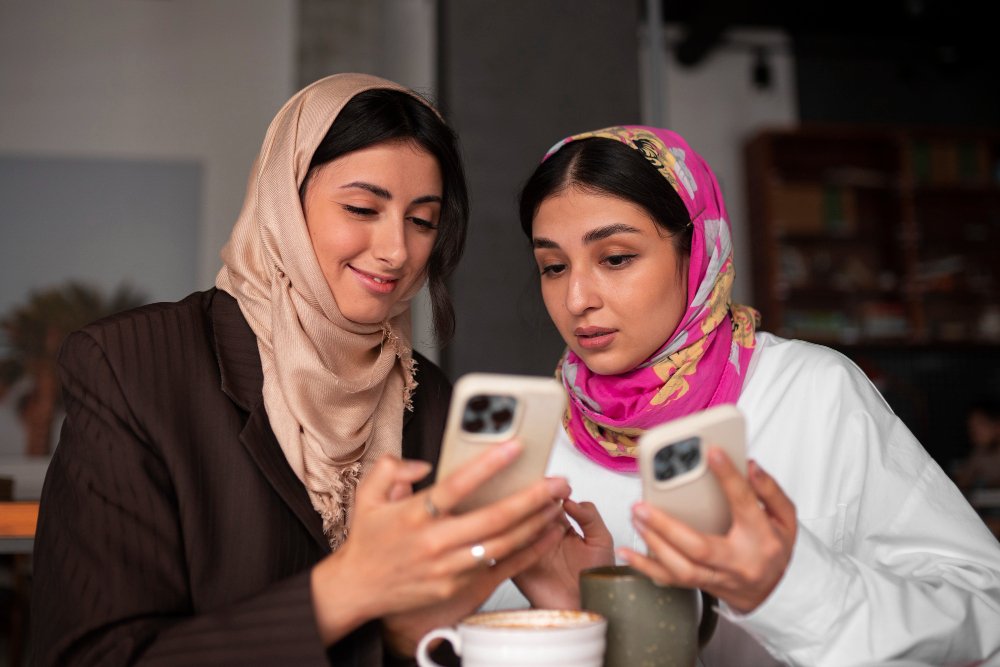
Pakistan Women Digital Inclusion is witnessing measurable progress, with the gender gap in mobile internet usage narrowing to around 25 percent from 36–38 percent in just one year. The improvement comes alongside the opening of more than 800,000 digital wallets by women during the Ramzan digital payments initiative, signaling stronger participation in the country’s digital and financial ecosystem.
The data emerged during a review of the Digitalization for Women Economic Empowerment project, a four-year programme running from 2024 to 2028 funded by the Korea International Cooperation Agency. The initiative aims to expand women’s access to digital tools, connectivity, and financial services across Pakistan.
Pakistan Women Digital Inclusion Project Reviewed in Islamabad
The review session was held at the country office of UN Women in Islamabad and was convened under the Ministry of Information Technology and Telecommunication, which chairs the project’s Steering Committee. Policymakers and stakeholders assessed progress and discussed strategies to accelerate women’s economic participation through digitalization.
The Steering Committee serves as the highest oversight body, responsible for strategic direction, policy alignment, and ensuring accountability for project outcomes. Officials emphasized the importance of integrating digital inclusion initiatives into long-term institutional frameworks.
Minister Highlights Pakistan Women Digital Inclusion Achievements
Federal Minister for IT and Telecommunication Shaza Fatima Khawaja noted that embedding project results into policy frameworks is essential for sustainability. She highlighted the distribution of nearly seven million free SIMs to underserved women, which has significantly improved connectivity and access to digital platforms.
These connectivity gains are helping women open digital wallets, access mobile banking, and participate in e-commerce and freelance opportunities. Such developments are strengthening financial inclusion and reducing dependency on cash-based transactions.
Economic Impact of Pakistan Women Digital Inclusion
Pakistan Women Digital Inclusion has wider macroeconomic implications. With Pakistan’s informal sector accounting for nearly half of the national GDP, increasing women’s participation in digital platforms can help formalize economic activity and improve productivity.
Greater digital participation by women is expected to:
• Increase workforce participation
• Enhance per capita productivity
• Strengthen financial inclusion
• Expand the digital talent pipeline
• Support small business growth
These benefits align with broader efforts to build a more resilient digital economy and reduce structural inequalities.
Preparing Women for Emerging Technologies
Participants also stressed the need to prepare women for emerging technologies, particularly artificial intelligence and digital automation. Ensuring that women have access to training and digital skills will help prevent new technology-driven disparities.
Stakeholders emphasized stronger inter-agency coordination, faster execution of initiatives, and translating short-term programme gains into long-term policy reforms. This approach aims to maintain momentum and ensure sustainable outcomes.
Aligning Pakistan Women Digital Inclusion With National Digital Vision
The Steering Committee is working to align the initiative with the government’s broader Digital Nation Vision under Prime Minister Shehbaz Sharif. The objective is to position women at the center of Pakistan’s evolving digital landscape.
By improving connectivity, expanding financial access, and promoting digital literacy, Pakistan Women Digital Inclusion initiatives are expected to accelerate economic growth and empower millions of women nationwide.