
KARACHI:
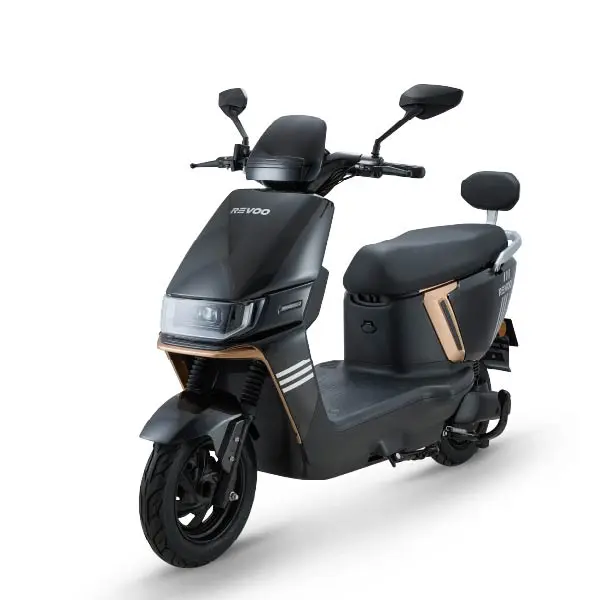
Pakistan is witnessing a sharp surge in demand for electric motorbikes as soaring fuel prices and fears of supply disruptions push consumers toward cheaper alternatives.
Read More: https://theboardroompk.com/india-advances-toward-domestic-nuclear-fuel/
The shift comes amid a global energy shock triggered by tensions in the Middle East, which disrupted oil flows through the Strait of Hormuz — a critical route for Pakistan’s fuel imports.
Rising Fuel Costs Reshape Consumer Choices
With petrol prices rising sharply, fuel expenses now consume nearly one-third of a median earner’s daily income, making traditional commuting increasingly unaffordable.
This cost pressure is forcing many low- and middle-income households to rethink mobility. Workers, students, and small business owners are turning to electric bikes as a practical and economical option.
Retailers and retrofitters report a surge in demand. One electric bike dealer recorded a 70% jump in sales in March, while showrooms across major cities are seeing unprecedented footfall.
Electric bikes, which cost significantly less to run than petrol bikes, are becoming attractive despite higher upfront prices.
Policy Support and Solar Advantage
The government has stepped in to accelerate adoption through its Pakistan Accelerated Vehicle Electrification (PAVE) plan, offering subsidies and interest-free loans to buyers.
The scheme has already received overwhelming interest, with applications far exceeding initial targets.
Pakistan’s growing solar adoption is further strengthening the EV shift. Households that installed solar panels after recent electricity tariff hikes can now charge bikes at minimal cost, making electric mobility even more viable.
Experts say this transition could reduce oil imports, ease pressure on foreign exchange reserves, and cut emissions in one of the world’s most polluted countries.
However, challenges remain, including limited charging infrastructure and weak after-sales service networks, which could slow long-term adoption.