
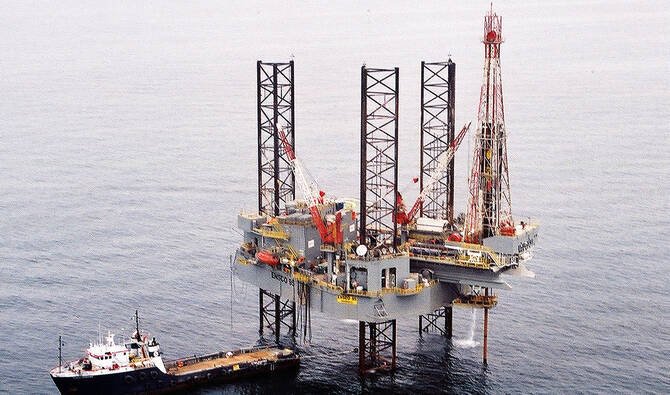
Pakistan is set to begin offshore oil and gas exploration later this year for the first time in nearly two decades, marking a significant step toward strengthening energy security and reducing dependence on imported fuels. The government is also advancing refinery upgrades, strategic petroleum reserves, and broader petroleum sector reforms to enhance long-term energy resilience.
ISLAMABAD: Pakistan is set to launch offshore oil and gas exploration later this year for the first time in nearly two decades as part of a broader strategy to strengthen the country’s energy security and reduce its dependence on imported fuels.
Petroleum Minister Ali Pervaiz Malik announced the plan while briefing the National Assembly Standing Committee on Petroleum on Tuesday. He said the offshore exploration initiative would mark a significant step toward unlocking Pakistan’s untapped offshore hydrocarbon potential.
The minister said the government is also working to establish strategic petroleum reserves to improve the country’s energy resilience during global supply disruptions. Two firms are currently conducting feasibility studies for the proposed reserves.
Refinery Upgrade Policy Nearing Approval
Ali Pervaiz Malik told the committee that the long-awaited refinery upgrade policy has been submitted to the federal cabinet and is expected to receive approval soon.
He said the government is targeting clearance from the Economic Coordination Committee (ECC) on July 15, after which the policy will immediately move into implementation.
The policy will enable domestic refineries to modernize their facilities and begin producing Euro-V standard fuels, which are cleaner and more environmentally friendly than the fuels currently produced in Pakistan.
The minister reiterated that the government would not transfer the cost of refinery modernization to consumers.
He said Prime Minister Shehbaz Sharif has decided against imposing any additional financial burden on petroleum users, ensuring that refinery upgrades will not result in higher fuel prices for consumers.
Fuel Supplies Remained Stable During Regional Crisis
Providing an update on the petroleum market, Ali Pervaiz Malik said Pakistan successfully maintained uninterrupted fuel supplies during the recent regional conflict despite limited domestic storage capacity.
He said fertilizer plants and power stations continued operating without disruption as the government effectively managed petroleum inventories throughout the crisis.
Although international crude oil prices have now fallen below pre-conflict levels, the minister noted that petrol and diesel prices remain relatively high because freight charges, insurance costs, and import premiums have yet to normalize.
Pakistan imports around 70% of its petrol requirements and nearly one-third of its diesel demand, making domestic fuel prices highly vulnerable to fluctuations in international energy markets.
Govt Pursuing Wider Petroleum Sector Reforms
The minister said the government is moving ahead with broader reforms aimed at creating a more transparent and competitive petroleum market.
These reforms include the gradual deregulation of fuel pricing, digitalization of the petroleum supply chain, and consideration of publishing daily Platts benchmark prices to improve transparency and help consumers better understand changes in domestic fuel prices.
He added that the petroleum levy on petrol has exceeded Rs80 per litre, in line with commitments made under Pakistan’s agreement with the International Monetary Fund (IMF).
Ali Pervaiz Malik also expressed confidence that the energy sector’s circular debt would not increase by the end of the current fiscal year as discussions with the IMF continue on measures to improve the sector’s financial sustainability.
Committee Reviews CSR Spending
During the meeting, members of the National Assembly Standing Committee on Petroleum also reviewed the utilization of Corporate Social Responsibility (CSR) funds by petroleum companies.
Lawmakers raised concerns over delays in the use of CSR funds in Sindh and Balochistan and sought details of expenditures made under the program in Khyber Pakhtunkhwa.
The committee emphasized the need for greater transparency and timely implementation of community development projects funded through CSR allocations, particularly in areas hosting oil and gas operations.