
Pakistan’s large-scale manufacturing sector maintained its growth momentum during April 2026, supported by strong performances in automobiles, garments and other industries. The latest provisional data showed that industrial activity continued to recover despite weakness in some sectors.
According to the Quantum Index of Manufacturing (QIM) based on 2015-16 prices, the index stood at 114.56 in April 2026. Large Scale Manufacturing Industries (LSMI) recorded a 6.06 percent increase compared to April last year. However, output declined by 8.32 percent on a month-on-month basis compared with March 2026.
During the first ten months of fiscal year 2025-26, the manufacturing sector expanded by 6.44 percent. The average QIM reached 122.19, compared with 114.79 during the same period a year earlier.
Automobile Sector Remains the Main Growth Driver
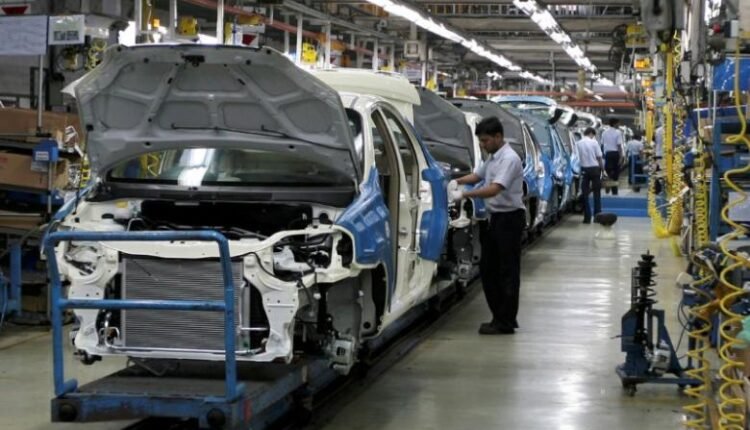
The automobile sector emerged as the strongest performer during the period. Production increased by 83.88 percent in April compared with the same month last year.
On a cumulative basis, the sector posted a remarkable growth of 64.33 percent during July-April FY26. The sharp increase highlighted improving consumer demand and higher production activity in the industry.
The automobile sector also made the largest contribution to overall manufacturing growth, adding 1.61 percentage points to the cumulative expansion.
Sugar Production Registers Strong Growth
The sugar industry witnessed an exceptional rise in April. Output surged by nearly 360 percent during the month.
As a result, the sector recorded cumulative growth of 31.60 percent during the first ten months of the fiscal year.
The food sector, which includes sugar production, contributed 1.60 percentage points to overall manufacturing growth, making it the second-largest contributor after automobiles.
Garments and Petroleum Products Maintain Momentum
Pakistan’s garment industry continued to show resilience. Production increased by 15.18 percent in April, while cumulative growth reached 7.34 percent during July-April FY26.
The sector contributed 1.19 percentage points to the overall expansion in manufacturing output.
Meanwhile, petroleum products registered a 3.83 percent increase in April. The sector maintained a cumulative growth rate of 10.04 percent during the ten-month period and contributed 0.74 percentage points to overall growth.
Cement production also performed strongly. Output increased by 9.11 percent in April and posted cumulative growth of 9.13 percent.
Other sectors supporting manufacturing growth included electrical equipment, beverages, tobacco, furniture and transport equipment.
Some Industries Continue to Face Pressure
Despite the overall positive trend, several industries remained under pressure.
Iron and steel production fell by 12.88 percent in April and recorded a cumulative decline of 6.98 percent during the July-April period.
Fertilizer production contracted by 10.55 percent in April. The sector’s cumulative decline widened to 1.98 percent.
Cotton yarn output also declined by 1.12 percent during the month, although it managed to record a cumulative increase of 1.52 percent.
Pharmaceuticals, chemicals, leather products, machinery and equipment, and textiles also made negative contributions to overall manufacturing growth.
Economic Conditions Continue to Improve
The continued expansion in the manufacturing sector reflects improving economic conditions and stronger domestic demand.
Higher activity in automobiles, garments, food processing and petroleum products supported industrial growth during the fiscal year. However, weakness in intermediate and capital goods sectors such as iron and steel and chemicals continued to limit broader industrial recovery.
Economists believe sustained growth in manufacturing could strengthen employment, boost exports and support overall economic expansion if current momentum continues.