
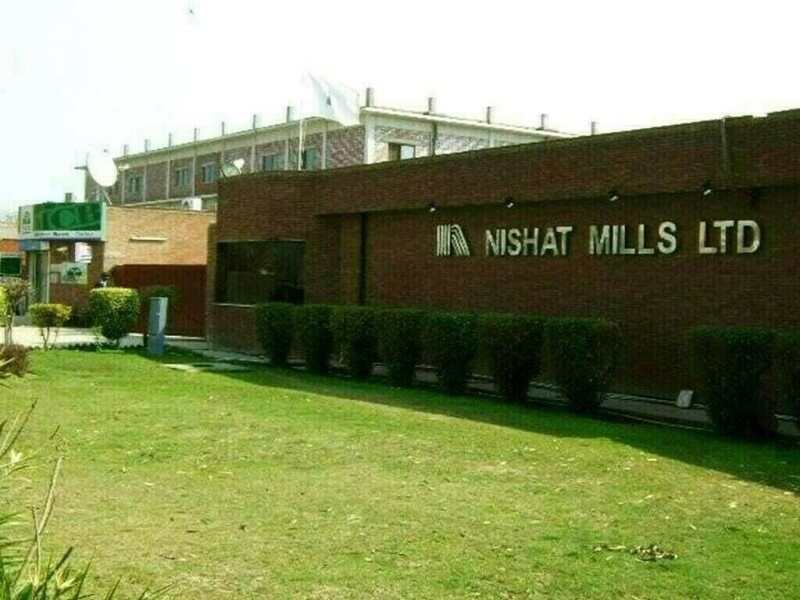
Nishat Mills Limited has decided to exit its dairy joint venture with Turkish partner Sütaş, citing difficult market conditions and regulatory challenges that have placed significant pressure on the business.
The company’s Board of Directors, in an emergent meeting held in Lahore, approved the complete divestment of its 49.10% stake in Nishat Sutas Dairy Limited to its Turkish partner.
The proposed transaction will allow Sütaş to take full ownership of the dairy venture, subject to the required shareholder approval and completion of other formalities.
Why Is Nishat Mills Exiting the Dairy Business?
Nishat Mills has pointed to the challenging operating environment facing Pakistan’s dairy industry as a key reason behind the decision.
Rising input and energy costs, regulatory hurdles and weak returns have made it increasingly difficult for dairy businesses to maintain profitability. These pressures have also affected the financial position of Nishat Sutas Dairy.
Rather than committing additional capital to an underperforming investment, Nishat Mills appears to be opting for an exit and redirecting resources toward areas with stronger strategic potential.
The decision reflects a broader challenge for businesses operating in Pakistan’s food and agriculture sectors, where changing costs, pricing pressures and regulatory uncertainty can significantly affect investment returns.
Nishat Sutas Dairy Stake to Be Sold at Rs5 Per Share
One of the most notable aspects of the transaction is the proposed Rs5-per-share sale price.
Nishat Mills plans to sell its entire 49.10% holding in Nishat Sutas Dairy to Sütaş at this price.
The low valuation is likely to attract considerable attention from shareholders, particularly given the investment made in establishing and developing the joint venture.
The proposed price raises an important question: does it represent fair value for an underperforming business, or does it reflect a distressed exit following prolonged financial pressure?
The answer will depend on the dairy company’s financial position, accumulated losses, assets, future prospects and other commercial terms associated with the transaction.
Turkish Partner Sütaş to Take Full Control
Following the proposed divestment, Sütaş will become the sole owner of the dairy operation in Pakistan.
The Turkish dairy company has agreed to acquire Nishat Mills’ stake and continue operating the plant.
For Sütaş, acquiring the remaining stake provides an opportunity to take complete control of the business and determine its future strategy without the constraints of a joint-venture ownership structure.
The continuation of the plant also suggests that the Turkish partner remains interested in maintaining a presence in Pakistan’s dairy market despite the sector’s current difficulties.
However, the transaction also means that a venture originally established with a major Pakistani corporate group will move toward full Turkish ownership.
Shareholders Still Need to Approve the Deal
The proposed transaction is not yet final.
Nishat Mills has scheduled an Extraordinary General Meeting (EOGM) for September 23, 2026, in Lahore, where shareholders will consider the proposed divestment.
The company’s share books will remain closed from September 17 to September 23, 2026, for the purpose of determining shareholder eligibility for the meeting.
The official disclosure states that the proposed transaction is in the best interest of Nishat Mills and its shareholders.
The final outcome will therefore depend on shareholder approval as well as completion of the applicable regulatory and corporate requirements.
What Does the Exit Mean for Nishat Mills?
From Nishat Mills’ perspective, the divestment could be viewed as an exercise in capital discipline.
Large diversified groups regularly reassess investments that fail to generate adequate returns. Exiting a non-core business can prevent further capital from being tied up in an underperforming asset.
If the dairy venture has limited prospects of delivering attractive returns without substantial additional investment, selling the stake could allow Nishat Mills to concentrate on its stronger business areas.
However, the Rs5-per-share sale price means investors will naturally examine whether the company has been able to recover a reasonable value from its investment.
The transaction may therefore be interpreted in two different ways.
Supporters could view the move as prudent capital allocation and an opportunity to stop further losses.
Critics could argue that selling the stake at such a low price indicates that the joint venture failed to generate the returns originally expected.
Pakistan’s Dairy Industry Under Pressure
The Nishat Sutas development also highlights the wider difficulties facing Pakistan’s dairy industry.
The sector has long faced challenges related to milk procurement costs, energy prices, inflation, processing expenses, consumer affordability and regulatory uncertainty.
Dairy businesses must balance rising production costs with consumers’ limited ability to absorb higher prices.
Energy costs are particularly important for large-scale dairy operations because refrigeration, processing, packaging and transportation all require significant power and fuel.
When these costs rise faster than selling prices, profit margins can quickly come under pressure.
The regulatory environment also remains an important consideration for investors. Changes in taxation, food standards, pricing policies and other regulations can influence the viability of long-term investments.
A Warning Signal for Corporate Investment?
Nishat Mills’ decision could also serve as a broader signal for investors considering Pakistan’s food-processing and agriculture-related industries.
Pakistan has significant potential in dairy production because of its large livestock base and sizeable domestic consumer market.
Yet transforming that potential into profitable large-scale businesses requires efficient supply chains, modern processing facilities, reliable energy supplies, competitive input costs and predictable regulations.
The experience of Nishat Sutas Dairy demonstrates that strong market potential alone does not guarantee attractive investment returns.
For corporate investors, the ability to manage operating costs and navigate regulatory conditions is becoming increasingly important.
What Happens Next?
The immediate next step is the shareholder vote scheduled for September 23, 2026.
If shareholders approve the transaction and the remaining requirements are completed, Sütaş will acquire Nishat Mills’ entire 49.10% stake and take full control of Nishat Sutas Dairy.
For Nishat Mills, the transaction could mark the end of its involvement in a difficult non-core investment.
For Sütaş, it represents an opportunity to operate the Pakistani dairy business independently and determine whether restructuring or additional investment can improve its performance.
Ultimately, the success of the exit should be judged not simply by the completion of the transaction but by whether it improves Nishat Mills’ capital allocation and financial position.
Nishat Mills’ Dairy Exit Sends a Clear Message
Nishat Mills’ decision to sell its 49.10% stake in Nishat Sutas Dairy at Rs5 per share highlights the pressures facing Pakistan’s dairy industry.
While the exit could help Nishat Mills limit further exposure to an underperforming investment, the low transaction price raises legitimate questions about the venture’s financial performance and the value ultimately recovered by shareholders.
At the same time, Sütaş’s decision to acquire full control and continue operating the plant suggests that the Turkish company still sees potential in Pakistan’s dairy market.
The bigger lesson for investors is clear: market opportunity must be supported by sustainable margins, predictable regulation and efficient operations.
As Pakistan seeks greater private-sector investment in agriculture and food processing, creating a more stable and competitive business environment will be critical to ensuring that such investments generate sustainable returns.