
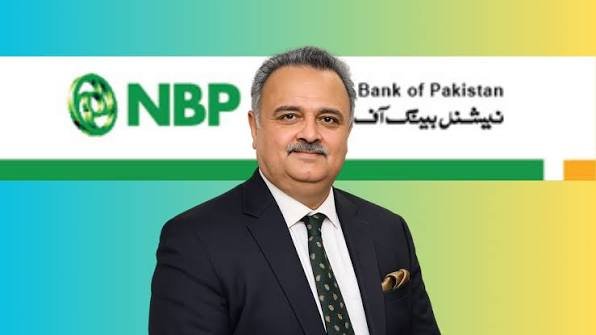
The leadership of National Bank of Pakistan is entering a critical transition phase as Rehmat Ali Hasnie’s tenure as President and Chief Executive Officer officially expires on August 21, 2026.
According to the bank’s statement issued on Friday, Hasnie’s tenure has come to an end, marking a significant development for one of Pakistan’s most important financial institutions. The immediate focus will now shift toward the appointment of his successor and the direction the bank intends to take under new leadership.
For NBP, this is more than a routine management transition. As a major state owned commercial bank, its leadership decisions can have implications for corporate governance, lending strategy, profitability, digital transformation and confidence across the banking sector.
Why the NBP Leadership Change Matters
The next President and CEO will inherit a bank operating in an increasingly competitive financial environment. Pakistan’s banking sector is facing pressure to improve efficiency, expand digital banking, manage credit risks and maintain profitability while responding to changing economic conditions.
The NBP leadership change therefore creates an opportunity to assess whether the bank will pursue business as usual or use the transition to introduce a more aggressive reform agenda.
The most important question is not simply who will become the next CEO. The bigger question is what the new leadership will be expected to deliver.
NBP needs leadership capable of strengthening operational efficiency, improving customer services and accelerating technology adoption while maintaining strong risk management. Any appointment that fails to address these challenges could result in another leadership cycle without meaningful structural improvement.
New NBP CEO Appointment Will Face Immediate Scrutiny
The bank is expected to initiate the process for appointing a new President and CEO, with further details likely to be announced in due course.
This process will attract considerable attention because leadership appointments at major state owned financial institutions are often judged not only on professional credentials but also on governance standards and transparency.
A credible appointment process should therefore provide clarity about the qualifications, experience and strategic mandate expected from the incoming CEO.
The market will also watch whether NBP prioritizes banking expertise, turnaround experience, technology capabilities or broader institutional management skills. In an era when banks are rapidly transforming their business models, selecting a leader based primarily on conventional credentials may not be enough.
Leadership Transition Comes at a Critical Time for NBP
The outgoing leadership leaves behind a bank that must continue balancing commercial objectives with its wider institutional responsibilities.
The incoming CEO will need to establish priorities quickly. These could include improving service quality, strengthening digital channels, managing non performing loans, expanding profitable lending and improving shareholder value.
There is also a broader governance issue that deserves attention. Leadership transitions at state owned institutions should not become prolonged periods of uncertainty. A transparent and timely appointment process would reduce speculation and allow the bank to move forward with a clear strategic direction.
What to Watch After Hasnie’s Tenure Ends
The immediate developments to watch are the formal appointment process, the identity of the new President and CEO and the strategic priorities announced by the incoming leadership.
Investors, customers and employees will ultimately judge the NBP leadership change by its results rather than the announcement itself.
The real test will be whether the next CEO can turn a leadership transition into a genuine institutional reset. If the appointment produces stronger governance, better customer services and improved financial performance, the change could become an important turning point for NBP.
If it merely replaces one executive with another without addressing longstanding operational and governance challenges, the transition could prove far less significant than it initially appears.
For now, Rehmat Ali Hasnie’s tenure has formally ended, and the spotlight is firmly on NBP’s next leadership decision.