
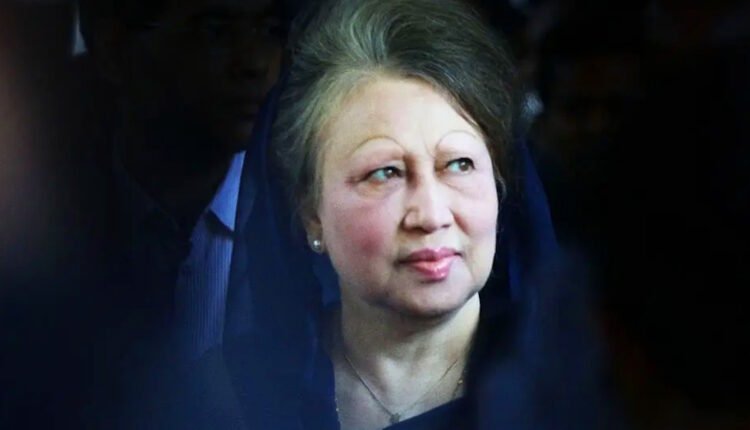
Khaleda Zia, Bangladesh’s first female prime minister and a towering figure in the nation’s politics, passed away on Tuesday, December 30, 2025, at Evercare Hospital in Dhaka after a prolonged illness. She was 80 years old. The Bangladesh Nationalist Party (BNP), which she led as chairperson, announced her death, stating she breathed her last at 6 a.m.
Zia had been battling advanced liver cirrhosis, diabetes, arthritis, heart issues, and a severe chest infection. She was admitted to the hospital on November 23 and had received treatment in London earlier in 2025 before returning home.
Legacy of Leadership and Bitter Rivalry
Entering politics after the 1981 assassination of her husband, President Ziaur Rahman, Khaleda Zia transformed the BNP into a major force. She served as prime minister from 1991 to 1996 and again from 2001 to 2006, becoming the first woman to hold the office in Bangladesh.
Her tenure saw key reforms, including shifting to a parliamentary system, making primary education free and compulsory, and opening doors to foreign investment. However, her second term faced criticism over rising Islamist militancy and corruption allegations.
Zia’s decades-long rivalry with Sheikh Hasina, dubbed the “battling begums,” defined Bangladeshi politics, marked by strikes, violence, and electoral boycotts. Convicted on corruption charges in 2018—which she called politically motivated—she was jailed, released conditionally, and fully acquitted in 2025.
Interim leader Muhammad Yunus expressed profound sorrow, hailing her as a “symbol of the democratic movement.” Indian Prime Minister Narendra Modi also offered condolences, noting her contributions to Bangladesh’s development and bilateral ties.
Her funeral is scheduled for Wednesday, with prayers in front of parliament before burial beside her husband. Zia’s son, Tarique Rahman, who recently returned from exile, is seen as her political successor as BNP eyes upcoming elections.