
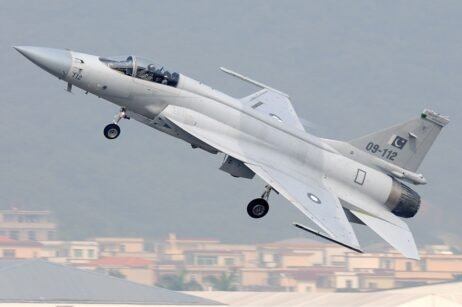
Pakistan’s JF-17 Thunder fighter jet, a collaborative triumph with China, is witnessing unprecedented international demand following its proven combat prowess in the 2025 conflict with India. This surge in interest from multiple nations could strain the country’s limited manufacturing capacity, potentially leading to a supply crunch.
Rising Global Interest in Affordable Airpower
Recent reports indicate that Iraq, Bangladesh, and Indonesia have expressed keen interest in acquiring the JF-17 within the past month. Saudi Arabia and Libya are also in discussions, with potential deals worth billions. This demand stems from the jet’s affordability, priced at $40-50 million per unit, far below Western alternatives like the F-16 or Rafale.
Pakistan’s Air Force has lauded the aircraft’s performance, boosting its appeal to developing nations seeking cost-effective defense solutions.
Challenges in Scaling Production
Currently, Pakistan produces 16-18 JF-17s annually at the Pakistan Aeronautical Complex in Kamra, mostly for domestic use. To meet export orders, a significant ramp-up is needed, but funding constraints may hinder expansion.
Existing commitments include deliveries to Azerbaijan (40 units), Nigeria, and Myanmar, with 45 export orders pending.
Experts warn that without investment, Pakistan risks delays in fulfilling both domestic and international requirements.
The JF-17’s success positions Pakistan as an emerging arms exporter, aligning with China’s global influence strategy. However, shifting allegiances, like Indonesia’s move from Western jets, could reshape regional defense dynamics.
Bangladesh and Libya each eye 16 units, while Saudi Arabia explores a $2 billion deal for up to 50. This export surge not only bolsters Pakistan’s economy but also strengthens military ties with allies.
Yet, the production bottleneck highlights the need for enhanced infrastructure and partnerships. As demand grows, the JF-17 could disrupt the global fighter market, offering a viable alternative to pricier options. Pakistan’s defense minister has emphasized the jet’s combat record as a key selling point.
With over 150 units in service domestically, the Air Force plans to replace aging fleets with more JF-17s and other Chinese models. Analysts predict that if deals materialize, annual production must double to avoid shortages.
This development underscores Pakistan’s pivot towards self-reliance in defense manufacturing.