
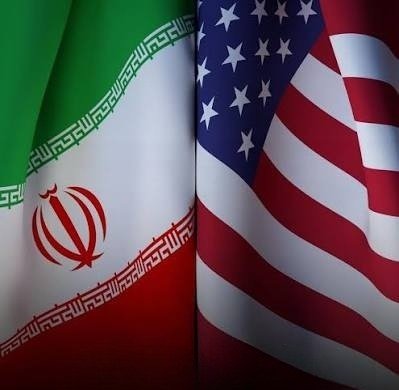
Iranian lawmaker Valiollah Bayati has warned that any expansion of the ongoing conflict into a wider war beyond the Middle East could have severe and unpredictable consequences for the United States and its allies. The warning comes as tensions between Iran and Washington remain high, with Tehran accusing the US of combining military action with economic pressure.
Bayati said US officials were aware of the risks associated with allowing hostilities to spread beyond the region. He warned that any escalation could create consequences that would be difficult for Washington and its allies to control.
“White House officials know … well that if the hostilities develop into a war extending beyond the region, it will have severe and unpredictable consequences for them and their allies,” Bayati said, according to Iranian media reports.
His remarks underline Tehran’s continued opposition to what it describes as US threats and pressure against Iran. The Iranian lawmaker also made clear that the Islamic Republic would not accept demands imposed through military or economic coercion.
Iran Warns Against Wider Regional Escalation
The warning over a wider war reflects growing concerns that continued military confrontation could move beyond the immediate battlefield and involve additional countries or strategic areas.
Bayati said Iran would respond forcefully to any action that threatens its national security or interests. He maintained that Tehran would not surrender to pressure and would continue to defend what it considers its core national interests.
The comments add to a series of warnings from Iranian officials who have repeatedly cautioned the US and its allies against further escalation.
Iran has sought to portray itself as prepared for different forms of confrontation, including military, economic and diplomatic pressure. Officials in Tehran have also argued that increased pressure would not force the government to abandon its position.
The possibility of a broader conflict has raised concerns across the Middle East because any expansion could affect regional security, energy markets and international trade. The region contains critical energy infrastructure and important shipping routes, meaning prolonged instability could have consequences far beyond the countries directly involved.
Iran Says US Turning To Economic Pressure
Iran’s First Vice President Mohammad Reza Aref has separately accused Washington of relying on economic pressure after failing to achieve its objectives through military means.
According to Al Jazeera, Aref said the United States was using what he described as an “economic war” against Iran. He argued that Tehran had previously managed to withstand military pressure and would similarly overcome economic challenges.
Aref said Iran would overcome the economic war in the same way it had dealt with pressure on the battlefield.
His comments indicate that Iran views economic restrictions and financial pressure as part of a broader confrontation with Washington rather than as an independent policy dispute.
Iran has faced extensive sanctions for years, particularly targeting its oil sector, banking system and international trade. Tehran has repeatedly said that such measures are intended to weaken the Iranian economy and put pressure on the government.
The latest remarks suggest Iranian officials expect economic pressure to remain a major component of the confrontation.
Tehran Rejects Pressure And Threats
Iranian officials continue to emphasize that the country will not change its position simply because of threats or economic pressure.
Bayati’s warning also appeared aimed at discouraging the United States and its allies from taking actions that could expand the conflict. He argued that any attempt to target Iran’s security or interests would trigger a strong response.
The Iranian position could make diplomatic efforts more difficult if military tensions continue to rise. Any miscalculation by either side could increase the risk of further escalation.
For Washington and its allies, the main challenge is preventing the conflict from expanding while maintaining pressure on Tehran. For Iran, the challenge is managing the economic impact of continued confrontation while maintaining its military and political position.
Wider War Could Affect Global Stability
A wider war involving Iran and the United States could have consequences for global markets, particularly if fighting threatens oil production or major maritime trade routes.
The Middle East remains one of the world’s most important energy-producing regions. Any disruption to oil and gas supplies could push international energy prices higher and increase inflationary pressure in economies that depend heavily on imported energy.
A broader conflict could also affect airlines, shipping companies and businesses operating across the region. Countries outside the Middle East could face economic consequences even if they remain militarily uninvolved.