
Industrialists Urge PM Shehbaz Sharif to Withdraw Daily Fuel Pricing Policy
KARACHI: Pakistan’s industrial community has urged Prime Minister Shehbaz Sharif to reconsider the recently introduced daily petroleum pricing mechanism, warning that frequent fuel price changes could undermine industrial planning, raise production costs, and weaken the country’s export competitiveness.
Industry Warns of Growing Business Uncertainty
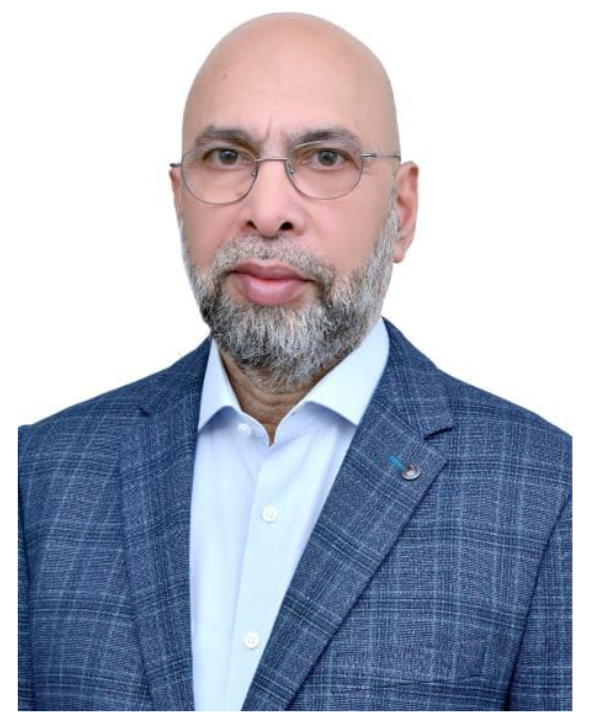
SITE Association of Industry President Abdul Rehman Fudda expressed strong concerns over the government’s decision to revise petroleum prices on a daily basis, saying the policy adds another layer of uncertainty for manufacturers already grappling with high electricity and gas tariffs, increased taxation, and rising operating expenses.
He said businesses require a stable pricing environment to effectively plan production, manage inventories, and make investment decisions.
“The industrial sector is already struggling with expensive energy and policy uncertainty. If fuel prices change every day, manufacturers will find it increasingly difficult to calculate production costs and maintain business stability,” Fudda said.
Export Sector Faces Additional Challenges
According to Fudda, export-oriented industries would be among the hardest hit by the new pricing mechanism because export contracts are often negotiated several months in advance.
He explained that unpredictable fuel price movements during the production cycle could significantly increase manufacturing and transportation costs, reducing the competitiveness of Pakistani exports in international markets.
He also noted that local manufacturers cannot revise product prices every day to offset fluctuating input costs, leaving many businesses exposed to shrinking profit margins.
Call for Monthly Fuel Price Mechanism
Fudda appealed directly to Prime Minister Shehbaz Sharif to withdraw the daily fuel pricing policy and restore a more predictable pricing framework.
He proposed that petroleum prices should be revised on at least a monthly basis, allowing industries to plan production and manage costs more effectively.
As an alternative to passing international oil price volatility directly to consumers and businesses, he suggested the government could temporarily adjust the petroleum levy to absorb short-term fluctuations.
Business Community Seeks Stable Economic Policies
The SITE Association president emphasized that a predictable policy environment is essential for sustaining industrial growth, protecting exports, and preserving employment.
He expressed hope that the government would take the concerns of the business community into account and adopt a fuel pricing mechanism that balances fiscal requirements with the needs of manufacturers and exporters.