
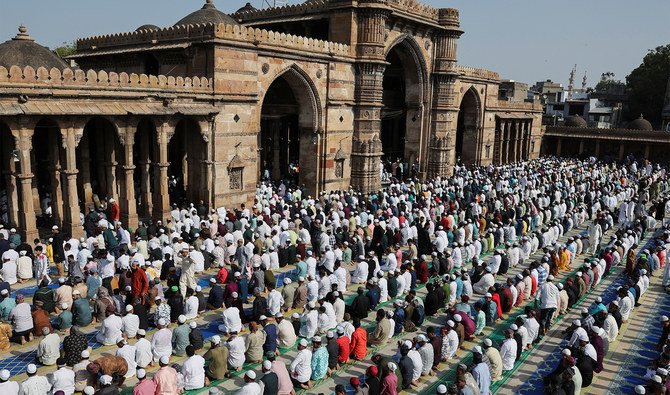
Eid ul Adha restrictions in India have triggered debate and concern after authorities in several Indian states imposed strict rules on animal sacrifice, public prayers, and meat sales ahead of the Muslim festival. The latest measures, introduced mainly in Uttar Pradesh and Delhi, have drawn criticism from rights observers and members of the Muslim community who say the restrictions target Islamic religious practices during one of the most important festivals in Islam.
As Muslims across India prepare to celebrate Eid ul Adha, authorities in different regions announced tighter controls on religious activities linked to the festival. The moves come at a time when concerns over religious freedom and minority rights continue to grow in the country.
Yogi Adityanath Orders Strict Enforcement
Uttar Pradesh Chief Minister Yogi Adityanath instructed officials to strictly enforce restrictions related to Eid celebrations. According to Indian media reports, Adityanath chaired a high level law and order meeting through video conference and directed district administrations to ensure full compliance with government rules.
The chief minister ordered that animal sacrifices should only take place at pre designated sites approved by local authorities. He also warned officials not to allow any new traditions during the festival period.
Authorities further prohibited Eid prayers on roads and public spaces. Adityanath said Muslims should offer namaz only at traditional and designated prayer locations. He instructed officials not to grant permission for road blockades for Eid prayers under any circumstances.
The Uttar Pradesh administration also intensified monitoring around slaughterhouses and meat markets. Officials were directed to take action against illegal slaughter activities and maintain restrictions on open meat sales during the festival.
Police and local administrations increased security measures in sensitive areas. Authorities also conducted flag marches and expanded patrols around mosques and religious sites before Eid ul Adha.
Delhi Authorities Warn of Strict Action
In Delhi, minister Kapil Mishra warned of strict action against illegal animal transportation and unauthorised slaughter activities.
During a review meeting with officials, Mishra instructed authorities to permit sacrifices only at officially approved locations. He said the measures were necessary to ensure hygiene standards and compliance with legal requirements.
Delhi authorities also announced plans to closely monitor animal transport routes and slaughter points during Eid celebrations.
The latest announcements added to concerns among Muslims who believe authorities are imposing increasing restrictions on religious activities connected to Islamic festivals.
Concerns Over Religious Freedom
Human rights observers and activists have repeatedly raised concerns about restrictions imposed on Muslim religious practices in different Indian states. Critics argue that rules targeting animal sacrifice and public prayers disproportionately affect the Muslim community.
Several Muslim organisations expressed concern over the growing scrutiny surrounding Eid ul Adha celebrations. Community leaders said authorities should facilitate peaceful religious observances instead of creating fear and pressure during the festival.
Eid ul Adha holds deep religious significance for Muslims around the world. The festival commemorates the willingness of Prophet Ibrahim AS to sacrifice his son in obedience to Allah before God replaced the sacrifice with a ram.
Muslims traditionally observe the occasion by sacrificing animals such as goats, cows, camels, and sheep. Families distribute the meat among relatives, friends, and poor communities as part of the religious practice.
The festival also includes special congregational prayers, family gatherings, and charitable activities.
Growing Debate in India
The issue of cow slaughter remains highly sensitive in India. Several Indian states already enforce strict laws against cow slaughter due to religious and political reasons linked to the Hindu majority population.
However, critics argue that recent measures have increasingly affected Muslim communities and intensified religious tensions.
Political analysts say restrictions related to Eid ul Adha have become part of a broader national debate about minority rights and religious freedoms in India.
The administration led by Prime Minister Narendra Modi and the ruling Bharatiya Janata Party has often faced criticism from international rights groups over policies affecting Muslims and other minorities.
Supporters of the restrictions argue that authorities are enforcing existing laws and maintaining public order during religious events. Government officials insist the measures aim to prevent illegal slaughter activities and ensure cleanliness and security.
Despite official explanations, the latest Eid ul Adha restrictions in India have renewed discussions about religious tolerance and equal treatment of minority communities.
With Eid celebrations approaching, security remains high across several Indian states as authorities continue to monitor religious gatherings, slaughter activities, and public events linked to the festival.