
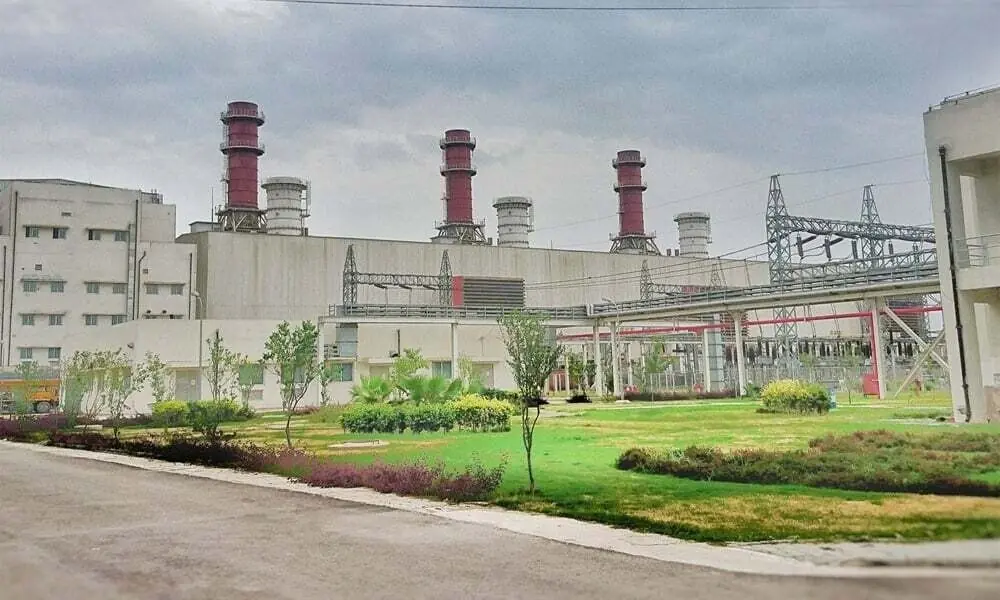
Pakistan is moving to revive one of its underutilized power assets as the Guddu Power Plant rehabilitation project enters a critical procurement phase. The rehabilitation of the fire-damaged Steam Turbine-16 could reduce the plant’s generation cost from Rs13.87 to Rs9.68 per unit, translating into savings of Rs4.19 per unit.
The project could also restore an additional 297 MW of generation capacity, taking the plant from its current output of around 450 MW to its original designed capacity of 747 MW.
At a time when Pakistan continues to face high electricity costs, circular debt pressures and concerns over expensive generation, the rehabilitation could provide a relatively faster route to improving the economics of existing power infrastructure.
Fire-Damaged Steam Turbine Has Kept Guddu Below Its Potential
The Guddu plant has been operating in open-cycle mode since July 2022, when Steam Turbine-16 and its associated generator were forced out of service following a fire.
The outage has had a significant impact on the plant’s economics. Operating at approximately 450 MW has restricted the facility’s ability to benefit from combined-cycle generation, while its relatively high generation cost has placed it around 11th in the dispatch queue.
This raises an important question for policymakers. Why has a major generation asset remained below its designed capacity for more than four years?
The answer now appears to be a long-awaited rehabilitation process.
Guddu Power Plant Rehabilitation Could Restore 747 MW Capacity
Once Steam Turbine-16 is restored, the plant is expected to return to full combined-cycle operation and achieve its designed 747 MW capacity.
That would mean an additional 297 MW becoming available without constructing an entirely new power plant.
More importantly, the plant’s expected merit-order position could improve from approximately 11th to around 7th. A better position in the dispatch order could allow Guddu to displace more expensive electricity from the national grid.
For consumers, this distinction matters. Adding generation capacity alone does not guarantee cheaper electricity. The real benefit comes when additional capacity is available at a competitive generation cost.
Procurement Begins as Commissioning Is Targeted for 2028
Following technical studies, engineering reviews and comprehensive integrity assessments, authorities have prepared an EPC turnkey procurement package for the rehabilitation.
International competitive bids have now been invited for the restoration of Steam Turbine-16 and associated equipment. Bidders are required to submit their proposals by October 7, 2026.
The targeted commissioning date is December 2028.
However, the timeline deserves scrutiny. Pakistan’s electricity sector has repeatedly suffered from delays in maintenance, rehabilitation and infrastructure projects. A commissioning target more than two years away means the country could continue carrying the economic cost of underutilized capacity for a considerable period.
The government will therefore need to ensure that procurement, contract execution and project supervision remain transparent and strictly time-bound.
Guddu Power Plant Rehabilitation Has Strategic Grid Importance
The project’s importance extends beyond generation costs.
Guddu is positioned at a critical point in Pakistan’s transmission network and the north-south power flow corridor. Restoring its full generation capability could provide the national grid with greater operational flexibility and resilience.
The additional 297 MW could also become particularly valuable during periods of high demand, provided the transmission system can efficiently absorb and distribute the additional electricity.
Existing Assets May Offer Pakistan a Cheaper Power Solution
The Guddu Power Plant rehabilitation highlights a broader issue facing Pakistan’s energy sector. The country does not necessarily need to rely only on new generation projects to address electricity shortages and high costs.
There may be significant value locked inside existing plants that are operating below capacity because of technical failures, outdated equipment or delayed maintenance.
Rehabilitating such assets can potentially be faster and less capital-intensive than building new generation facilities from scratch.
But the government must avoid treating rehabilitation as an end in itself. The real test will be whether Guddu actually delivers the projected Rs4.19 per unit reduction, restores 297 MW of capacity and maintains reliable operations after commissioning.
If those targets are achieved, the project could become a strong example of how Pakistan can extract greater value from its existing power infrastructure while putting downward pressure on the cost of electricity.