
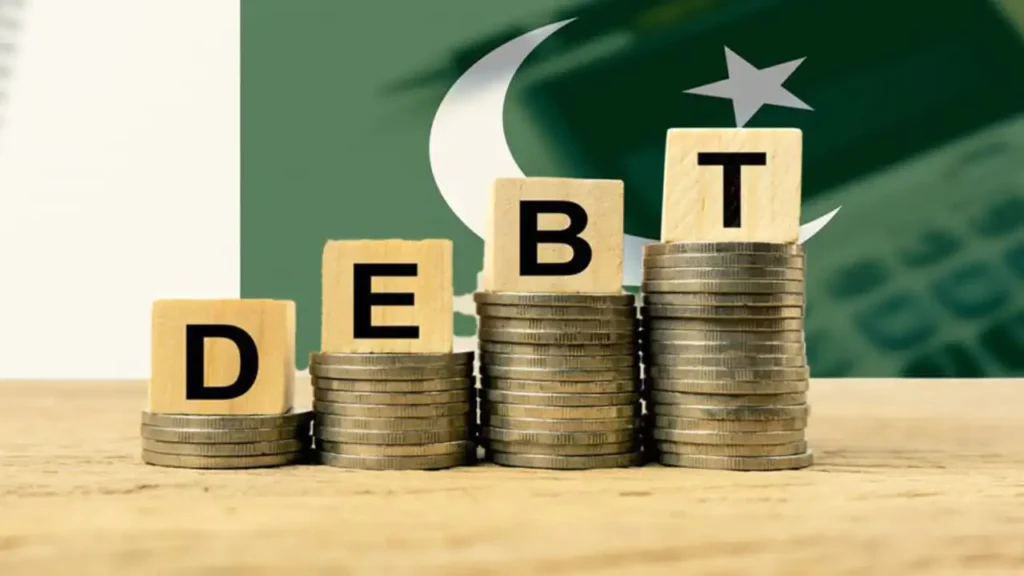
Islamabad: In a significant step toward fiscal consolidation, the Government of Pakistan today completed the early retirement of PKR 300 billion in debt owed to the State Bank of Pakistan (SBP), pushing the cumulative early repayments of domestic debt to an unprecedented PKR 3,654 billion since late 2024.
Advisor to the Finance Minister Khurram Schehzad announced the development on social media, describing it as the first time in the country’s history that such large-scale advance debt retirements have occurred.
The latest tranche marks the continuation of a deliberate strategy to reduce reliance on central bank financing and improve the overall debt profile. The repayment journey began in December 2024 with PKR 1,000 billion retired ahead of schedule, followed by major tranches: PKR 500 billion in June 2025, PKR 1,160 billion in August 2025, PKR 200 billion in October 2025, PKR 494 billion in December 2025, and now PKR 300 billion in January 2026.
In the current fiscal year alone (July 2025–January 2026), early retirements have exceeded PKR 2,150 billion—44% higher than the previous fiscal year’s efforts.According to Schehzad, these actions have slashed SBP-held debt by nearly 44%, bringing it down from approximately PKR 5,500 billion to around PKR 3,000 billion—well ahead of original maturities extending to 2029.
Of the total early repayments, about 65% targeted SBP obligations, 30% involved Treasury Bills, and 5% Pakistan Investment Bonds (PIBs).
The initiative has contributed to a healthier debt structure. Total public debt has edged lower from over PKR 80.5 trillion in June 2025 to roughly PKR 80 trillion by November 2025. The debt-to-GDP ratio has improved to around 70%, down from higher levels in earlier years (e.g., 74% in FY22), aligning with recent IMF estimates projecting stabilization in the mid-70s range for 2026.
Beyond headline figures, officials emphasize tangible benefits: massive interest savings (over PKR 850 billion realized in FY25, with another PKR 800 billion+ anticipated in FY26), reduced rollover and refinancing risks, extended average domestic debt maturity (from 2.7 years in FY24 to over 4.0 years), and greater fiscal space for development spending and social programs.
Schehzad highlighted that sustainable metrics—such as debt-to-GDP, repayment capacity, and interest burden—matter far more than per-capita debt comparisons, noting that advanced economies like Japan, the US, and Italy carry much higher per-person burdens without facing similar scrutiny.
While challenges persist—including ongoing external debt management and power sector obligations—these early retirements signal a shift from chronic borrowing toward responsible repayment and credibility-building.
The move coincides with broader positive signals, including strong global investor interest in recent roadshows and forecasts of stable inflation (around 5–7%) and modest GDP growth (3.5–4.4%) in coming years.This fiscal reset, government sources say, underscores Pakistan’s commitment to long-term economic resilience and disciplined governance.