
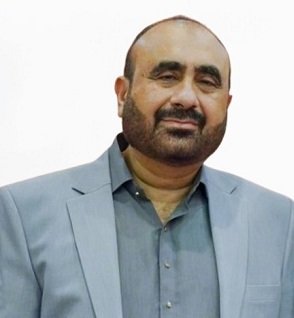
Karachi: Khurram Ijaz, General Secretary of the Businessmen Panel Progressive (BMPP) and former Vice President Federation Pakistan Chambers of Commerce & Industry (FPCCI), has sounded the alarm over the federal government’s rapidly rising borrowing from commercial banks, cautioning that it will further squeeze credit availability for the private sector.
Read More: https://theboardroompk.com/fpcci-hails-pakistans-leadership-for-role-in-us-iran-ceasefire/
Citing fresh data released by the State Bank of Pakistan (SBP), Khurram Ijaz noted that government borrowing from commercial banks jumped by 61 per cent in the first nine months of FY2025–26.
From July to March, borrowing climbed to Rs2.90 trillion, compared to Rs1.80 trillion in the same period last year.
He said the surge, driven by Market Treasury Bills (MTBs) and Pakistan Investment Bonds (PIBs), reflects growing dependence on domestic financing to plug the widening fiscal deficit.
While acknowledging the government’s repayment of Rs2.14 trillion to the central bank during the same period—consistent with the Fiscal Responsibility and Debt Limitation framework—Ijaz stressed that the shift has placed undue pressure on commercial banks, leaving limited space for businesses seeking credit.
“When the government aggressively taps into commercial bank resources, it directly crowds out the private sector,” he remarked.
“Industries rely on affordable and accessible financing to expand, invest, and generate employment.
This trend sends a worrying signal for economic growth.”
Despite a substantial decline in the policy rate—from 22% to 10.50%—private sector borrowing has shown only a marginal rise, increasing to Rs833 billion from Rs778 billion last year.
According to Ijaz, the muted response highlights structural challenges created by excessive government borrowing.
He warned that sustained crowding-out could dampen industrial activity, slow job creation, and stall Pakistan’s broader recovery.
“The government must prioritize strengthening revenues, reducing deficits, and adopting policies that encourage private sector-led growth,” he said.
“Relying on bank borrowing as a long-term strategy is neither sustainable nor productive.”
Khurram Ijaz urged policymakers to adopt balanced fiscal measures that support business activity and ensure credit flows toward productive sectors of the economy.