
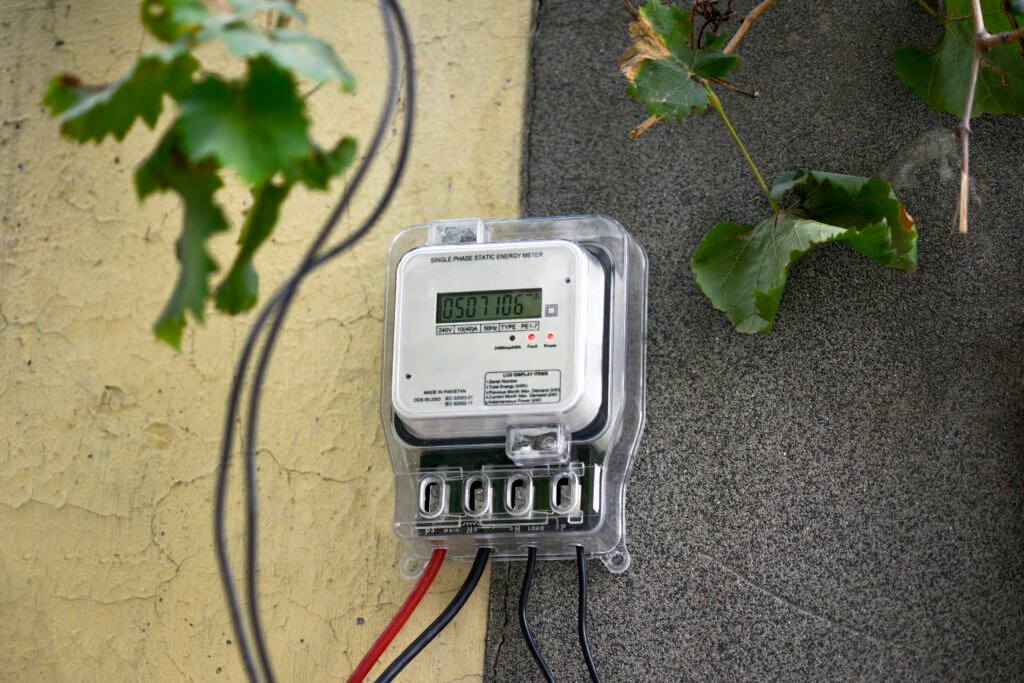
The federal government has rolled out a new power management plan across Pakistan. It introduces 2.25 hours of daily electricity suspension during peak evening and night hours. Officials call it a “peak relief strategy” rather than traditional loadshedding.
Why This Measure Was Taken
Rising global fuel prices have put pressure on electricity generation costs. Seasonal drop in hydroelectric output has added to the challenge.
Peak demand surges sharply between 5:00 pm and 1:00 am, forcing reliance on expensive imported fuels if supply continues uninterrupted.The Power Division says this targeted suspension will prevent a potential tariff increase of Rs3 to Rs6 per unit. Without it, consumers would face a sharp hike in bills.
Relief Already Delivered
The government claims it has already provided Rs46 billion in relief to electricity users.Between July and February, average tariff came down by 71 paisas per unit. This was achieved through strict merit order, priority to low-cost sources, and reduced transmission losses.
Prime Minister Shehbaz Sharif is personally monitoring the situation. Local gas supplies are being diverted to power plants.This step has already protected 80 percent of consumers from price increases.
Implementation Details
Power distribution companies (DISCOs) must share exact feeder-wise schedules with the public. The move aims to bring transparency and reduce inconvenience.
Authorities are also coordinating with provinces for timely closure of commercial markets to further cut demand.
Public Reaction and Challenges
Many households and small businesses may feel the pinch during evening hours.
However, officials insist the alternative—a steep price hike—would hurt more in the long run. Citizens are advised to plan their routines accordingly and use energy efficiently.
This strategy highlights the ongoing struggle to balance supply, demand, and affordability in Pakistan’s power sector.