
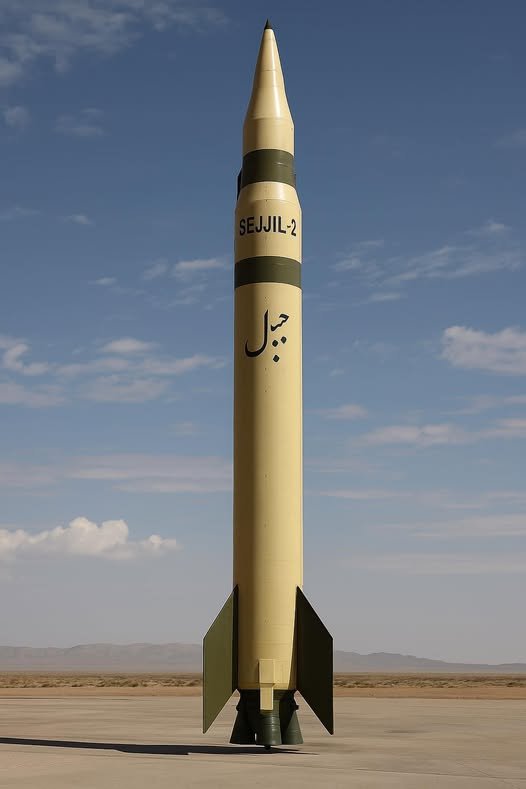
Iran’s ballistic missile program remains a cornerstone of its defense strategy, boasting the region’s largest inventory per U.S. assessments. A February 4, 2026, Reuters report outlines the arsenal’s scope as Tehran refuses to discuss limitations in upcoming nuclear negotiations with the U.S. in Oman.
Underground Network and Range Policy
Missiles are housed in fortified underground complexes for protection and rapid deployment. Iran adheres to a 2,000 km self-limit, covering Israel and regional adversaries, while denying nuclear delivery intent.
Diverse Arsenal Overview
Short-range options like Shahab-1 (300 km) and Zolfaghar (700 km) complement medium- and longer-range systems: Shahab-3 (up to 1,300 km), Emad (1,700 km), Ghadr and Khorramshahr (2,000 km), Sejjil (2,000-2,500 km, high-speed solid-fuel), Khaibar (2,000 km), and Haj Qasem (1,400 km). These draw from foreign tech adapted domestically.
Technological Progress
Improvements focus on accuracy, maneuverability, and hypersonic features, exemplified by the Fattah system. Upgrades include composite materials and precision guidance, bolstering deterrence.
Post-Conflict Recovery and Tensions
Iran fired extensively in the June 2025 Israel war but claims enhanced capabilities afterward, with recent military visits highlighting upgrades. The program draws scrutiny as a potential nuclear vector and regional destabilizer, especially with U.S. preconditions in talks emphasizing missile curbs.