
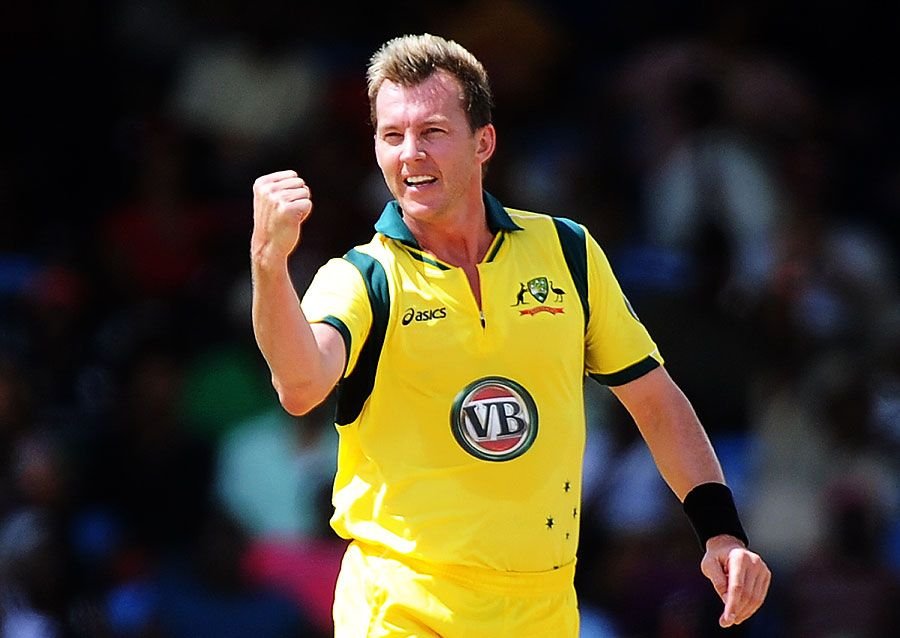
Former Australian fast bowler Brett Lee has voiced strong support for the highly anticipated India-Pakistan clash in the ICC T20 World Cup, while Pakistan’s Prime Minister Shehbaz Sharif defended the government’s decision to boycott the match as “appropriate.”
The controversy surrounds the group-stage encounter scheduled for February 15, 2026, in Colombo, Sri Lanka, amid the 20-team tournament co-hosted by India and starting on February 8.
Lee Calls for Politics-Free Cricket
In an interview on the ‘Mr. Cricket UAE’ podcast, Lee urged separating politics from sport. He said, “Let’s get the politics out of it. I really hope the match happens.
I really hope they get the opportunity, because it is going to be super exciting. The whole world watches when India and Pakistan play one another.” The former player, who retired in 2012 after a 13-year international career, emphasized the global appeal of the rivalry.
Pakistan’s Government Stance
Pakistan cleared its team’s participation in the World Cup in Sri Lanka but announced on February 2 that it would skip the India match. Prime Minister Sharif, speaking on February 4, stated: “We have taken a very clear stand on the T20 World Cup that we won’t play the match against India because there should be no politics on the sports field.
We have taken a very considered stance, and we should completely stand by Bangladesh, and I think this is a very appropriate decision.” The boycott demonstrates solidarity with Bangladesh, which was replaced by Scotland after refusing to play in India over security concerns linked to regional tensions.
ICC Rejects Relocation Demands
The International Cricket Council dismissed safety issues based on an independent assessment and rejected calls to shift matches to Sri Lanka, citing logistical challenges for late changes. This has deprived fans of one of cricket’s biggest fixtures, impacting tournament excitement.
Broader Context and Implications
Geopolitical strains between India and Pakistan continue to influence bilateral cricket ties, with the PCB yet to clarify its position on potential knockout encounters. While the boycott affects only the group game, it highlights persistent challenges in keeping politics out of sport despite widespread calls for the iconic rivalry to proceed.