
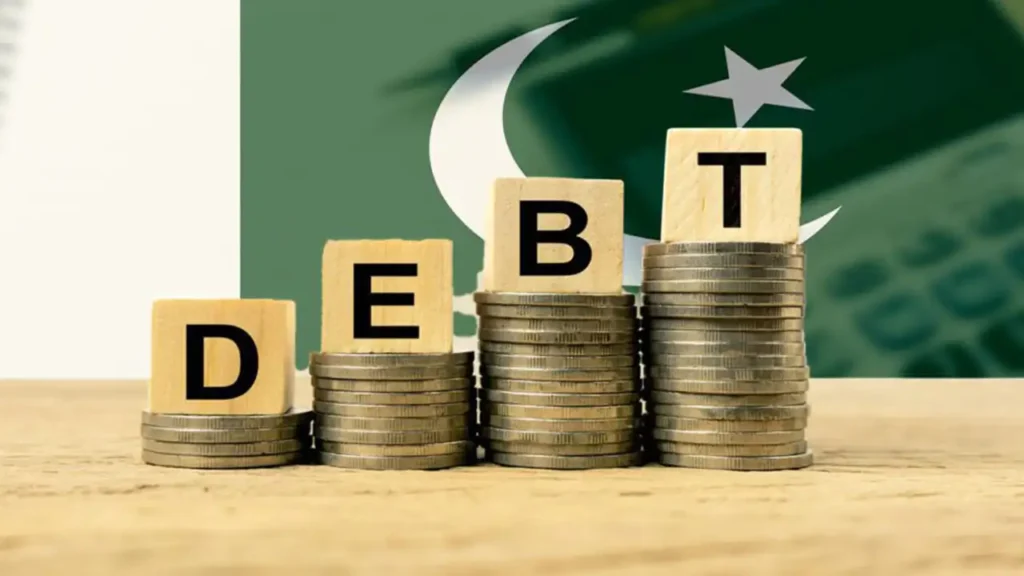
Pakistan’s federal government debt climbed to Rs82 trillion by the end of May 2026, driven primarily by higher domestic borrowing despite relatively stable external debt growth. The latest figures highlight increasing reliance on short-term domestic financing, rising debt servicing costs, and ongoing fiscal challenges as policymakers seek to balance financing needs with long-term sustainability.
ISLAMABAD: Pakistan’s federal government debt rose to Rs82 trillion by the end of May 2026, reflecting continued borrowing to meet fiscal requirements, with domestic debt accounting for the majority of the increase.
The latest debt data shows that domestic financing remained the government’s primary source of funding during the period, while external debt growth was moderated by a stronger rupee.
Domestic Debt Accounts for Most of the Increase
Pakistan’s domestic debt reached Rs58.1 trillion, recording a year-on-year increase of Rs4.7 trillion.
Long-term domestic debt rose by Rs2 trillion to Rs47.3 trillion, while short-term domestic debt increased by 32%, climbing from Rs8.1 trillion to Rs10.7 trillion.
The sharp rise in short-term borrowing came despite lower interest rates, indicating continued liquidity requirements and increased reliance on short-term financing instruments.
Economists generally view higher short-term borrowing as increasing rollover risks because a larger portion of government debt must be refinanced more frequently, leaving public finances more exposed to changes in interest rates.
External Debt Growth Remains Relatively Moderate
Pakistan’s external debt reached Rs23.8 trillion, increasing by Rs1.3 trillion compared with Rs22.5 trillion a year earlier.
However, short-term external debt rose sharply to Rs2.7 trillion, compared with Rs201 billion during the previous year.
Officials attributed part of the increase to the reclassification of certain long-term debt obligations.
The appreciation of the Pakistani rupee to around Rs278.4 per US dollar helped contain the increase in external debt when measured in local currency.
Debt Servicing Costs Continue to Rise
According to the available data, the federal government added an average of approximately Rs16 billion to its debt stock each day during the reporting period.
Interest payments on total government debt exceeded Rs8 trillion during the fiscal year, placing significant pressure on public finances.
High debt servicing costs continue to reduce the fiscal space available for development projects, social spending, and other growth-oriented expenditures.
Debt Growth Outpaces Inflation
The government’s total debt increased by Rs5.9 trillion over the past 12 months, representing annual growth of 7.8%.
This exceeded the average inflation rate of 7%, indicating that the real debt burden continued to rise during the period.
The figures suggest fiscal financing requirements remained higher than government revenue, resulting in continued borrowing to bridge the gap.
Greater Reliance on Domestic Financing
The latest debt composition indicates that most new borrowing came from domestic sources rather than external lenders.
While greater reliance on domestic financing reduces immediate foreign exchange pressure, it also increases future domestic debt servicing obligations.
Commercial banks and financial institutions continue to hold a significant share of government debt, and sustained government borrowing could limit the availability of credit for the private sector.
Fiscal Sustainability Remains a Key Challenge
The debt data highlights the importance of prudent debt management, stronger revenue mobilisation, and greater expenditure discipline to improve Pakistan’s long-term fiscal sustainability.
The rise in short-term borrowing and changes in external debt composition also underline the need for transparent debt reporting and effective debt management practices.
Without sustained fiscal reforms, continued growth in public debt could place additional pressure on future budgets and constrain economic development.