Trump Energy Agenda Drives Record Oil Output as U.S. Grants Temporary Waiver to India
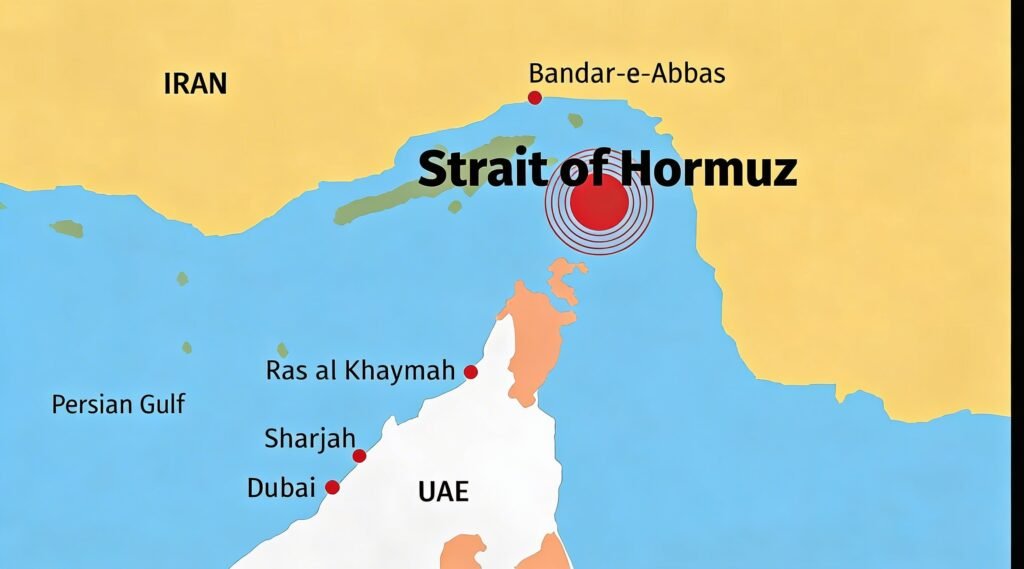
The Trump Energy Agenda is once again making headlines as the United States records the highest levels of oil and gas production in its history. According to a statement shared by U.S. Treasury officials, the surge reflects Washington’s continued push toward energy dominance and global supply stability. The development signals a major shift in global energy dynamics. With domestic production hitting unprecedented levels, the United States has strengthened its position as one of the world’s most influential energy suppliers. Industry observers say the strategy has not only boosted output but also helped cushion global markets from supply shocks. At the same time, Washington has taken a short-term diplomatic step aimed at maintaining stability in international oil flows. Trump Energy Agenda and the Temporary Waiver for India As part of a broader strategy tied to the Trump Energy Agenda, the U.S. Treasury Department has issued a temporary 30-day waiver allowing Indian refiners to purchase Russian oil. Officials say the decision is designed to prevent disruptions in the global energy market while ensuring that supply continues flowing to major importers. However, the waiver is deliberately limited in scope. According to U.S. authorities, it primarily permits transactions involving Russian oil cargoes that are already stranded at sea, meaning the policy will have minimal financial impact on Moscow. The short timeframe reflects Washington’s intention to stabilize markets without undermining broader geopolitical and economic objectives. Why the Waiver Matters for Global Energy Markets Energy analysts say the move highlights how interconnected global oil markets have become. Sudden disruptions in supply can quickly trigger price spikes, inflationary pressures, and geopolitical tensions. By allowing a short window for Indian refiners to process already-shipped Russian oil, the United States aims to ensure that supply chains continue functioning smoothly. In practical terms, the waiver provides three immediate market benefits: • Maintaining supply continuity: Oil shipments already en route will reach refiners instead of remaining idle at sea.• Reducing price volatility: Preventing supply disruptions helps stabilize global oil prices.• Avoiding logistical bottlenecks: Clearing stranded cargo prevents congestion in shipping and storage networks. Officials emphasized that the decision is a temporary stabilization measure, not a long-term policy shift. Trump Energy Agenda and U.S.–India Energy Partnership Another important aspect of the Trump Energy Agenda is strengthening energy cooperation with strategic partners such as India. Washington views New Delhi as a crucial ally in global energy trade and expects that India will gradually increase imports of U.S. crude oil and energy products. Over the past decade, India has emerged as one of the world’s fastest-growing energy markets, driven by rapid industrialization and rising transportation demand. The United States, now one of the largest oil producers globally, is positioning itself as a reliable supplier for major energy-importing economies. Energy experts believe that deeper U.S.–India energy ties could reshape global trade flows by reducing reliance on politically sensitive supply sources. Countering Geopolitical Energy Pressures U.S. officials also framed the decision within the broader geopolitical landscape. According to Treasury statements, the temporary waiver may help ease pressure in energy markets influenced by regional tensions, including Iran’s actions affecting global oil supply routes. The strategy underscores a central pillar of the Trump Energy Agenda: using America’s growing energy capacity to stabilize markets while countering potential disruptions from geopolitical rivals. With domestic production at record levels and diplomatic tools such as targeted waivers in place, Washington appears determined to maintain both energy security and market stability. What Comes Next for Global Oil Markets? While the waiver lasts only 30 days, its implications may extend beyond the immediate timeframe. Market watchers will closely monitor whether India increases imports of U.S. crude and whether global oil supply remains stable amid geopolitical pressures. If current production trends continue, the Trump Energy Agenda could further strengthen the United States’ role as a central pillar of global energy supply reshaping trade relationships and influencing price dynamics worldwide. For now, one thing is clear: record-breaking U.S. production combined with strategic policy decisions is positioning Washington at the center of the global energy conversation.