Politics

Afghanistan Seeks Indian Investments and Boost Trade Amid Tension with Pakistan
Politics

Afghanistan Seeks Indian Investments and Boost Trade Amid Tension with Pakistan

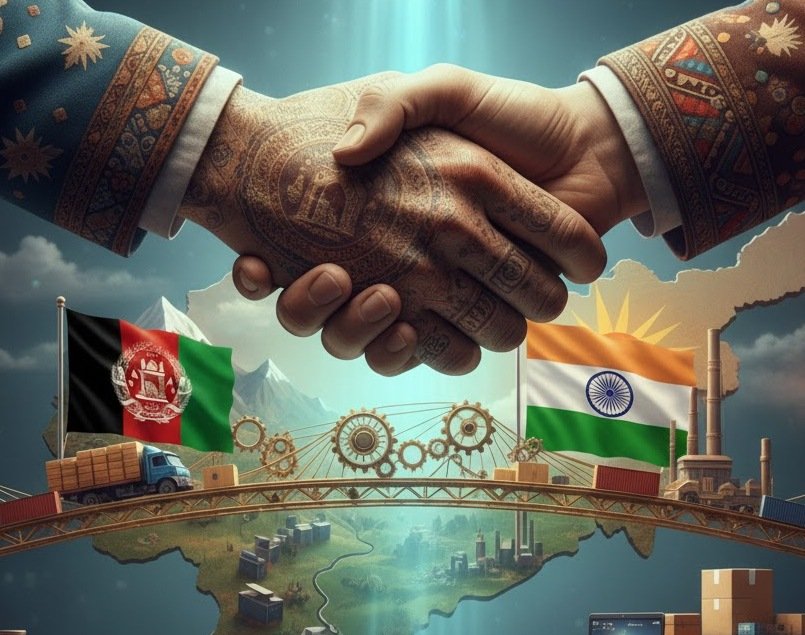
New Delhi: Afghanistan’s acting Minister of Industry and Commerce, Nooruddin Azizi, arrived in New Delhi on Wednesday for a five-day official visit, marking the second cabinet-level Taliban engagement with India in less than a month. The trip underscores Kabul’s aggressive push for economic partnerships amid strained relations with Pakistan and a dire need for foreign investment. Azizi is expected to hold talks with Indian officials on expanding bilateral trade, reviving air freight corridors, enhancing connectivity via Iran’s Chabahar Port, and resolving banking hurdles that have hampered transactions since the Taliban’s 2021 takeover. Afghanistan views India as its second-largest export market, particularly for dry fruits, fresh produce, and minerals. Building on last month’s visit by Foreign Minister Amir Khan Muttaqi, Azizi will invite Indian firms to invest in Afghanistan’s untapped mining, energy, and agriculture sectors. Discussions will also cover restoring direct flights, easing visa processes for Afghan businessmen, patients, and students, and establishing a joint trade committee. India, which has provided extensive humanitarian aid and recently upgraded its Kabul mission to a full embassy, sees the engagement as pragmatic for regional stability and countering extremism. Bilateral trade, once over $1.5 billion annually, has declined sharply due to transit issues via Pakistan. Azizi’s itinerary includes attending the India International Trade Fair, signaling Kabul’s eagerness to attract Indian goods and capital. Experts view this as a strategic shift, with Afghanistan diversifying away from Pakistan while India secures influence in a key neighbor.
AJK: Anwarul Haq out, Faisal Mumtaz Rathore in as PM after 36-2 no-trust vote
Politics

AJK: Anwarul Haq out, Faisal Mumtaz Rathore in as PM after 36-2 no-trust vote

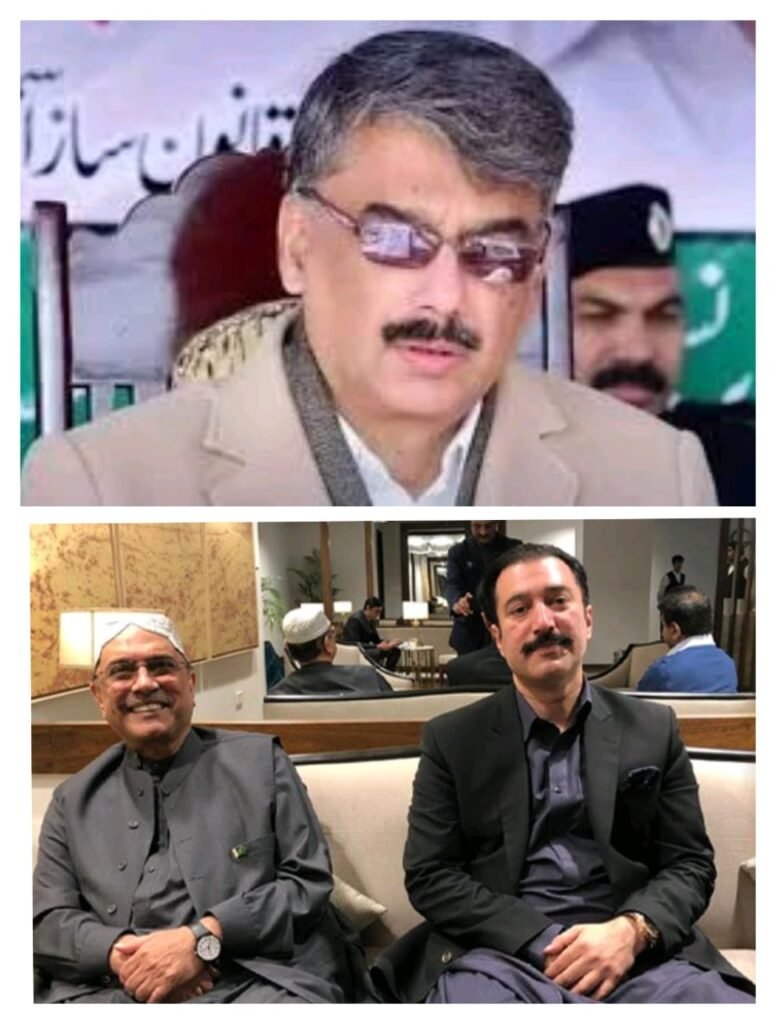
Muzaffarabad: In a significant political development, the Azad Jammu and Kashmir Legislative Assembly on Monday successfully passed a no-confidence motion against Prime Minister Sardar Tanveer Ilyas-era successor Anwarul Haq, leading to the election of Pakistan Peoples Party (PPP) leader Chaudhry Faisal Mumtaz Rathore as the new prime minister of the region.The session, presided over by Speaker Chaudhry Latif Akbar, witnessed PPP legislator Chaudhry Qasim Majeed formally moving the resolution. Out of 38 members present, 36 voted in favour while only two opposed the motion, officials confirmed.Immediately after, Faisal Mumtaz Rathore was elected unopposed as the 14th Prime Minister of Azad Jammu and Kashmir. The joint opposition comprising PPP, PML-N, and allied parties demonstrated complete unity during the proceedings.The move follows last month’s agreement between PPP and PML-N leadership to remove the PTI-backed government over alleged failure in addressing public grievances, particularly regarding governance, flour subsidy issues, and electricity tariffs.Speaking to reporters, PPP senior leader Qamar Zaman Kaira termed the change a step towards political stability and pledged free and fair elections in the future. PML-N’s Federal Minister Ahsan Iqbal reiterated that the decision was aimed solely at ensuring better governance and resolving longstanding issues of the Kashmiri people.The 52-member assembly (including nominated seats) now has a new PPP-led coalition government supported by PML-N and smaller allies.

Politics

Ahsan Iqbal calls for a “SMART” civil service to meet 21st-century challenges

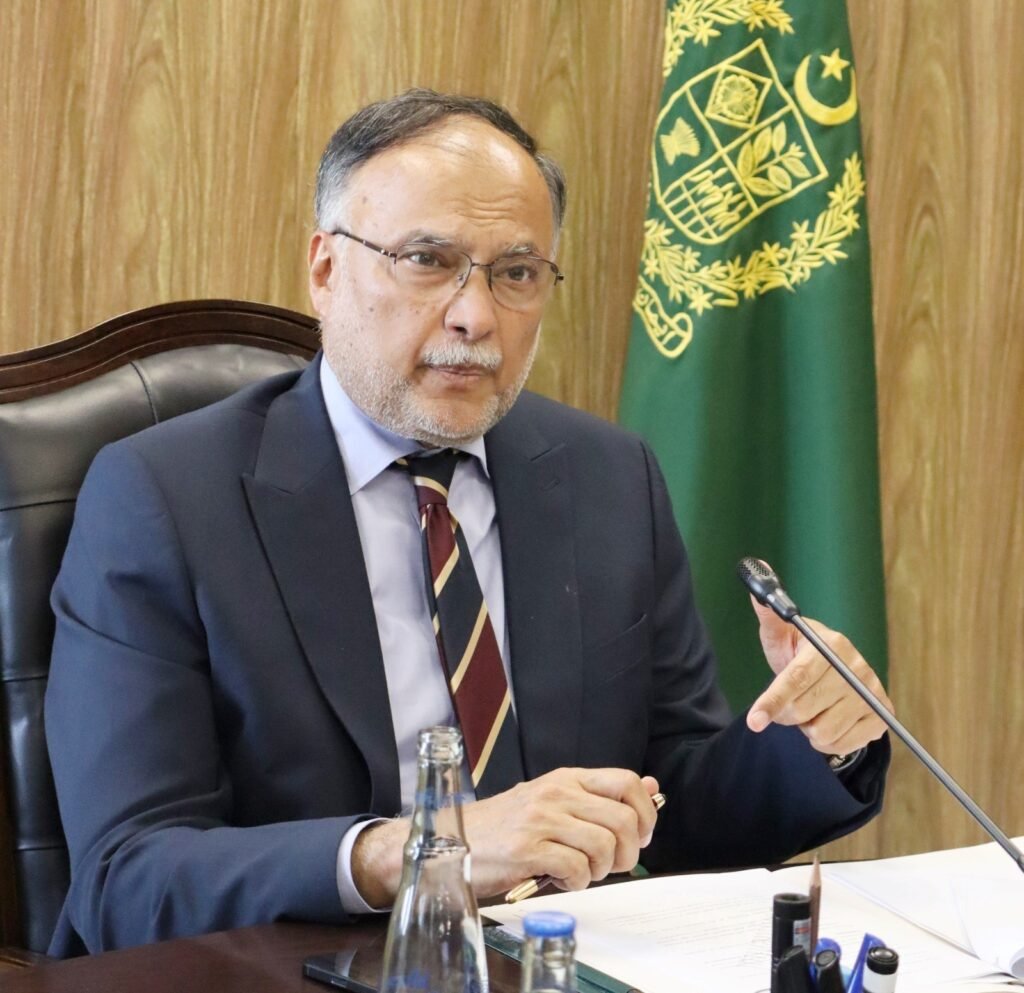
ISLAMABAD Pakistan’s Dawn newspaper reported on Prime Minister Shehbaz Sharif’s review of civil service reform proposals from a high-level committee chaired by Federal Minister for Planning, Development, and Special Initiatives, Professor Ahsan Iqbal. The committee, formed in July 2025, met over a dozen times to develop around 50 recommendations aimed at transitioning Pakistan’s bureaucracy to a ‘smart civil service’ capable of addressing 21st-century challenges like digital governance, climate resilience, and economic transformation. This initiative builds on earlier discussions, including a April 2025 meeting where Iqbal emphasized rethinking the 1973 civil service model to break ‘barriers of self-preservation’ and adapt to an empowered, informed citizenry demanding higher service delivery.

Scroll to Top