Pakistan

Pakistan Winter Gas Supply Shows Marked Improvement During Peak Season
Pakistan

Pakistan Winter Gas Supply Shows Marked Improvement During Peak Season

Pakistan winter gas supply has recorded a noticeable improvement during the ongoing winter season, with the federal government expressing satisfaction over enhanced gas availability, better load management, and improved consumer services nationwide. The progress was highlighted during a high-level review meeting that assessed gas supply arrangements, winter demand management, and consumer complaint redressal mechanisms. Read More: https://theboardroompk.com/kse-100-breaches-185000-barrier-amid-sustained-bull-run/ The meeting also evaluated the Oil and Gas Regulatory Authority’s (OGRA) audit report on compliance with service standards, particularly focusing on how efficiently consumer complaints are being handled by gas utility companies. Government Review of Pakistan Winter Gas Supply Performance The review meeting was chaired by Federal Minister for Petroleum Ali Pervaiz Malik and attended by senior officials from Sui Northern Gas Pipelines Limited (SNGPL), Sui Southern Gas Company (SSGC), and OGRA. According to an official press release, the session focused on ensuring uninterrupted gas supply to domestic consumers amid rising winter demand. Officials informed the meeting that, following the directives of Prime Minister Muhammad Shahbaz Sharif, gas supply to households has been prioritized to provide maximum public relief during the winter months. Pakistan Winter Gas Supply Sees Year-on-Year Growth During the briefing, both gas utilities shared comparative supply data that underscored tangible improvements over last year. SNGPL reported supplying an additional 95 million cubic feet per day (mmcfd) of gas in December 2025, compared to the same month in 2024. Meanwhile, SSGC increased its supply by 32 mmcfd during the same period. In practical terms, this year-on-year increase reflects a stronger winter gas management strategy, resulting in improved availability for domestic consumers despite seasonal demand pressures. The petroleum minister expressed satisfaction, noting that Pakistan winter gas supply in 2025 has been significantly better than the previous year. Use of Technology to Strengthen Pakistan Winter Gas Supply A key highlight of the meeting was the deployment of IoT-based monitoring systems and Town Border Stations at tail-end points of the gas distribution network. These systems are designed to automatically generate alerts in case of pressure drops, enabling quicker operational responses. While appreciating this technological initiative, the minister directed SSGC to further strengthen pressure management and alarm systems, particularly in tail-end areas that traditionally face low pressure issues. The goal, he emphasized, is to ensure uninterrupted supply and faster corrective action during peak winter demand. Ensuring Consumer Convenience During Pakistan Winter Gas Supply Peak Emphasizing public convenience as a top priority, the minister instructed both SUI companies to maintain adequate gas pressure and consistent service delivery across their networks. Special emphasis was placed on domestic consumers, who are most affected during winter months due to heating and cooking needs. This consumer-centric approach reflects the government’s broader strategy of balancing supply constraints with public relief measures during high-demand seasons. OGRA Audit Highlights Strong Complaint Resolution Performance OGRA presented the findings of its audit on service standard compliance, revealing encouraging performance by both gas utilities. According to the audit, 98.5% of consumer complaints received by SNGPL and 97% of complaints handled by SSGC were resolved in line with prescribed regulatory timelines and standards. While acknowledging the strong performance, the minister directed OGRA to validate complaint redressal on a quarterly basis. He also instructed the companies to ensure that the remaining unresolved complaints are addressed strictly in accordance with regulatory requirements. Customer Feedback and Accountability in Pakistan Winter Gas Supply To further enhance transparency and service quality, the minister directed SUI companies to introduce a customer feedback mechanism upon the resolution of each complaint. This initiative aims to improve accountability, monitor service quality, and strengthen consumer trust in the gas distribution system. Government Commitment to Improved Pakistan Winter Gas Supply Reaffirming the government’s commitment, the petroleum minister emphasized continued focus on consumer relief, efficient service delivery, adoption of modern technologies, and strict regulatory compliance within Pakistan’s gas sector. The improved performance during the current winter season signals a positive step toward long-term energy management reforms.

Pakistani Rupee Exchange Rate Today: PKR Shows Marginal Stability Against US Dollar
Pakistan

Pakistani Rupee Exchange Rate Today: PKR Shows Marginal Stability Against US Dollar

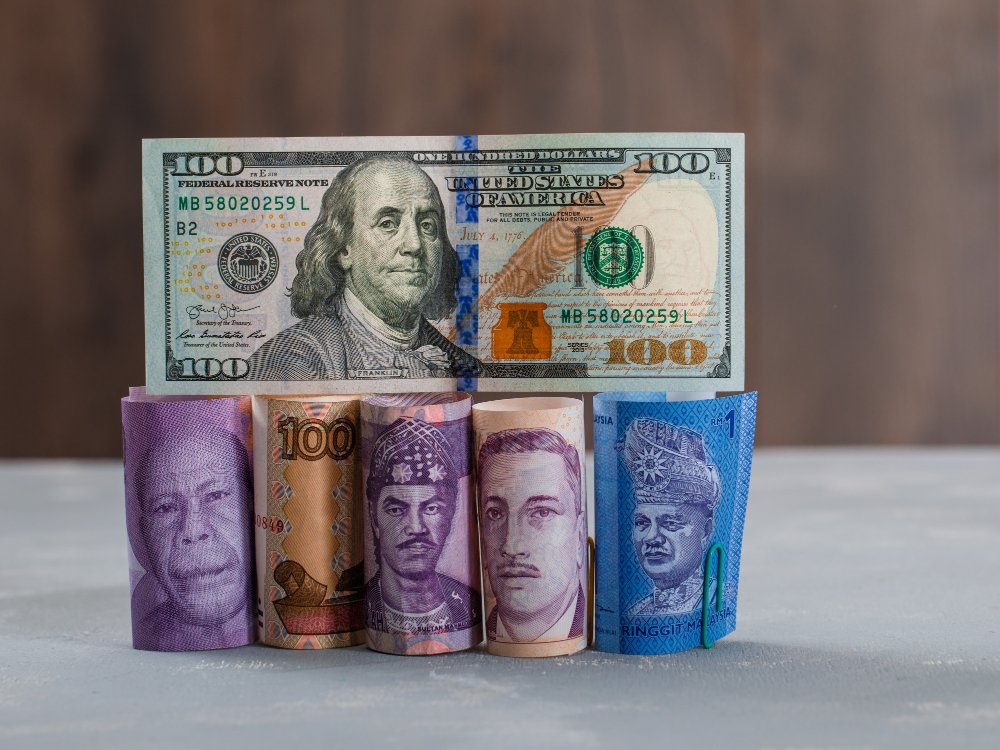
The Pakistani Rupee exchange rate today showed marginal improvement against the US Dollar during Tuesday’s interbank trading session, reflecting relative stability in the local currency market amid ongoing global volatility. The PKR appreciated by 2.91 paisa (0.01%), closing at PKR 280.07 per USD, compared to the previous session’s close of 280.10. Read More: https://theboardroompk.com/pakistanis-devote-two-thirds-of-income-to-food-and-utilities-amid-soaring-remittances-income/ Currency traders noted that the day’s movement remained narrow, indicating cautious sentiment among market participants as investors continue to monitor external financing flows, import demand, and global interest rate signals. Pakistani Rupee Exchange Rate Today in Interbank Market During the trading session, the Pakistani Rupee exchange rate today recorded an intraday high (bid) of PKR 280.50 and a low (ask) of PKR 281.10 against the US Dollar. This limited fluctuation highlights short-term equilibrium between dollar demand and supply in the interbank market. In the open market, exchange companies quoted the US Dollar at PKR 280.50 for buying and PKR 281.15 for selling, indicating a slightly wider spread compared to interbank rates due to retail demand and transaction costs. Pakistani Rupee Exchange Rate Today Against Major Global Currencies While the PKR remained stable against the US Dollar, it weakened against several major international currencies, reflecting broader global currency movements. The Pakistani Rupee fell by Rs1.27 (0.39%) against the Euro, closing at PKR 328.62, compared to 327.36 in the previous session. Against the British Pound, the local unit recorded a sharper decline of Rs3.90 (1.04%), settling at PKR 379.86, reflecting the Pound’s strength in global markets. Similarly, the PKR lost Rs1.43 (0.41%) against the Swiss Franc, closing at PKR 354.05, while against the Japanese Yen, it depreciated by 0.84 paisa (0.47%), ending the session at PKR 1.7932. Pakistani Rupee Exchange Rate Today vs Regional Currencies In contrast, the Pakistani Rupee exchange rate today showed mild gains against key regional and trade-related currencies. The PKR appreciated marginally against the Chinese Yuan, closing at PKR 40.12, while also strengthening by 0.77 paisa against the Saudi Riyal to PKR 74.68. Similarly, the local currency gained 0.79 paisa against the UAE Dirham, closing at PKR 76.25, largely due to the Dollar peg mechanism of Gulf currencies and stable remittance inflows. Pakistani Rupee Exchange Rate Today: Fiscal Year and Calendar Year Performance On a broader timeline, the Pakistani Rupee exchange rate today reflects improved performance on a fiscal basis. Since the start of the current fiscal year, the PKR has appreciated by Rs3.69 (1.32%) against the US Dollar, signaling improved external account management and controlled import demand. On a calendar-year basis, the PKR has recorded a modest gain of 5 paisa (0.02%), underscoring gradual stabilization rather than aggressive appreciation. Money Market Update and Interest Rate Indicators In the domestic money market, benchmark 6-month Karachi Interbank Offered Rates (KIBOR) edged slightly lower. The bid rate declined to 10.30%, while the offer rate eased to 10.55%, indicating stable liquidity conditions and cautious expectations regarding future monetary policy decisions by the State Bank of Pakistan. Outlook for Pakistani Rupee Exchange Rate Today Looking ahead, analysts believe the Pakistani Rupee exchange rate today will remain range-bound in the short term, supported by controlled imports, steady remittances, and improving fiscal discipline. However, external debt repayments, global dollar strength, and oil price movements will remain key risk factors influencing currency direction.

KSE-100 Index Performance Jumps as Banking and Cement Stocks Lead Strong Market Rally
Pakistan

KSE-100 Index Performance Jumps as Banking and Cement Stocks Lead Strong Market Rally

KSE-100 Index performance delivered an impressive showing during Tuesday’s trading session as bullish momentum returned to the Pakistan Stock Exchange (PSX). The benchmark index closed at 185,062.10 points, registering a robust gain of 2,653.87 points or 1.45%, reflecting renewed investor confidence and strong institutional participation. The index experienced heightened volatility throughout the session, trading within a wide intraday range of 4,299 points. It touched an intraday high of 185,481.45 points, while the low stood at 181,182.07 points, indicating aggressive buying on dips. Market Breadth and Trading Activity Highlight KSE-100 Index Performance Market participation remained healthy as 596.93 million shares were traded within the KSE-100 constituents. Out of 100 index companies, 56 closed in positive territory, 42 declined, while 2 remained unchanged, underscoring a broadly positive market sentiment. The broader market mirrored this strength, with the All-Share Index closing at 110,241.43, up 1,270.50 points or 1.17%. Overall market volume stood at 1.306 billion shares, while traded value rose to Rs85.32 billion, marking an increase of Rs7.23 billion compared to the previous session. Top Gainers and Losers Shaping KSE-100 Index Performance Investor interest was particularly strong in select blue-chip and growth stocks. Key Advancers Stocks that recorded notable percentage gains included:• ATRL leading with an 8.25% rise• MCB Bank climbing 7.90%• AIRLINK advancing 6.62%• NATF up 6.35%• AICL gaining 5.95% Key Decliners Meanwhile, selling pressure was observed in:• PSEL, down 5.52%• SSOM, falling 2.89%• MEHT, losing 2.59%• UNITY, declining 2.55%• BOP, down 2.00% Index Movers: Stocks Driving KSE-100 Index Performance In terms of point-wise contribution, commercial banks dominated the rally. MCB alone added over 450 points to the index, followed closely by UBL, MEBL, HBL, and LUCK, collectively contributing more than 1,800 index points. On the downside, PSEL, PPL, EFERT, OGDC, and MARI weighed on the index, though their combined drag remained limited relative to gains from heavyweight banking and cement stocks. Sector-Wise Breakdown of KSE-100 Index Performance Sectors Supporting the Rally The market’s upward trajectory was largely fueled by:• Commercial Banks, contributing nearly 1,908 points• Cement sector, adding 348 points• Investment banks and securities companies• Refinery sector• Technology and communication stocks Sectors Under Pressure Conversely, the index faced resistance from:• Oil & Gas Exploration Companies• Fertilizer sector• Miscellaneous sector• Oil Marketing Companies• Property-related stocks High-Volume Stocks Reflect Active Market Participation Trading activity remained concentrated in select stocks, with KEL, BOP, PIBTL, TELE, and CSIL leading volumes. Notably, MDTLNC stood out with a double-digit price jump of over 17%, highlighting speculative interest in mid-cap counters. Year-to-Date and Fiscal Performance Outlook From a longer-term perspective, KSE-100 Index performance remains exceptionally strong. The benchmark has gained 59,435 points, or 47.31%, during the ongoing fiscal year, while calendar year gains stand at 11,008 points or 6.32% so far. This sustained uptrend reflects improving macroeconomic expectations, easing inflationary pressures, and optimism surrounding monetary and structural reforms. Positive Momentum Keeps Investors Engaged The latest surge in KSE-100 Index performance reinforces the bullish narrative at the PSX, with banking and cement stocks once again acting as market leaders. While sector rotation and selective profit-taking persist, strong volumes and improving breadth suggest that investor appetite remains intact, keeping the outlook cautiously optimistic for the sessions ahead.

Gold Price in Pakistan Jumps as Bullion Market Turns Bullish
Pakistan

Gold Price in Pakistan Jumps as Bullion Market Turns Bullish

Gold price in Pakistan recorded a sharp increase on Tuesday, reflecting strong momentum in both domestic and international bullion markets. According to data released by the All-Pakistan Gems and Jewelers Sarafa Association (APGJSA), the price of 24-karat gold surged to Rs467,962 per tola, marking a day-on-day increase of Rs3,200. The latest surge reinforces gold’s position as a preferred safe-haven asset amid global economic uncertainty, currency volatility, and rising international prices. Gold Price in Pakistan Today: Key Rate Movements The upward trend was also reflected in gram-based pricing. 24-karat gold per 10 grams was sold at Rs401,201, up by Rs2,743 compared to the previous trading session. Meanwhile, 22-karat gold also witnessed gains, with its price reaching Rs367,780 per 10 grams. In practical terms, this means that buyers and investors are now paying significantly more for physical gold than at the start of the year, highlighting strong demand and limited downside pressure in the local market. Silver Prices Rise Alongside Gold in Pakistan Silver prices mirrored gold’s bullish momentum in the domestic market. 24-karat silver per tola increased by Rs338, reaching Rs8,361, while silver per 10 grams rose by Rs290 to Rs7,168. This parallel rise in precious metals suggests broader investor interest in hard assets, particularly as inflationary risks and global financial uncertainty persist. Gold Price Performance: Daily, Monthly, and Year-to-Date Trends Instead of a traditional table, the performance data can be summarized as follows: • On January 6, 2026, gold gained Rs3,200 per tola compared to January 5, 2026.• Over the past one month, gold prices have climbed by Rs25,800, signaling sustained bullish sentiment.• Since the start of the fiscal year, gold has risen by Rs117,762 per tola, reflecting strong long-term gains.• On a calendar year-to-date basis, gold is already up Rs11,000, indicating early-year momentum. Silver also showed solid performance, with gains of Rs2,289 over one month, Rs4,579 fiscal year-to-date, and Rs643 calendar year-to-date. Global Gold Prices Support Pakistan’s Bullion Market Internationally, spot gold traded near $4,452 per ounce, up $12.5 or 0.28% from the previous session. The rise in global gold prices continues to directly influence gold price in Pakistan, as local rates are closely tied to international bullion trends and currency exchange movements. Factors such as expectations of monetary easing by major central banks, geopolitical tensions, and persistent inflation concerns have kept global gold prices elevated, translating into higher domestic prices. Outlook: What’s Next for Gold Price in Pakistan? Market analysts believe that gold price in Pakistan may remain volatile in the near term but biased upward if international prices stay firm and the Pakistani rupee faces renewed pressure. Investors are increasingly turning to gold as a hedge against inflation and currency depreciation, particularly ahead of key global economic decisions. For consumers, jewelers, and investors alike, monitoring daily Sarafa rates and global gold movements remains crucial. The latest surge in gold price in Pakistan underscores gold’s enduring appeal as a safe-haven investment. With both gold and silver posting strong gains, the precious metals market continues to command attention amid evolving global and domestic economic conditions.

SBP Regulatory Sandbox Marks a Major Step in Pakistan’s Digital Finance Evolution
Pakistan

SBP Regulatory Sandbox Marks a Major Step in Pakistan’s Digital Finance Evolution

SBP Regulatory Sandbox has reached a major milestone as the State Bank of Pakistan (SBP) officially announced the shortlisted applicants for the first cohort of its flagship innovation initiative. Launched under SBP Vision 2028, the Regulatory Sandbox aims to accelerate innovation, enhance competition, and enable secure adoption of digital financial services across Pakistan. Read More: https://theboardroompk.com/20-million-pakistani-children-equal-to-whole-sri-lanka-remain-out-of-school-first-ever-digital-hies-2024-25/ Introduced through official guidelines issued in May 2025, the SBP Regulatory Sandbox provides a controlled live testing environment where banks and fintech firms can pilot innovative solutions without immediately being subject to full regulatory requirements. The first cohort was announced in August 2025, attracting strong interest from both regulated financial institutions and local and international fintech companies. SBP Regulatory Sandbox Themes Focused on Future-Ready Finance Under the SBP Regulatory Sandbox, applications were invited across three strategic themes designed to address structural gaps and emerging opportunities within Pakistan’s financial ecosystem. The first theme, open banking, focuses on secure data sharing and API-driven financial services to improve customer experience and competition. The second theme targets technology-enabled inward remittances, a critical area for Pakistan’s foreign exchange inflows. The third theme addresses remote onboarding of merchants, aimed at expanding digital payments acceptance, especially among SMEs and underserved segments. These focus areas align with SBP’s broader objective of building an inclusive, digitally enabled, and resilient financial system. Shortlisted Companies Under the SBP Regulatory Sandbox First Cohort After a rigorous evaluation process, SBP has shortlisted six applicants to test their solutions under the SBP Regulatory Sandbox. To ensure transparency and effective governance, a high-level Steering Committee has been established to oversee the entire process. Under the open banking theme, three fintech companies were shortlisted: Neem Exponential Financial Services Private Limited, Digi Khata (SMC-Private) Limited, and Swich Retail Private Limited. These firms are expected to develop API-driven platforms that enhance interoperability, financial data access, and customer-centric banking services. In the remote onboarding of merchants category, The Bank of Punjab was selected, highlighting the growing role of traditional banks in digital transformation and merchant digitization. For technology-enabled inward remittances, Barq Fintech (Private) Limited and a joint initiative between Taptap Send UK Limited and United Bank Limited were shortlisted. These solutions aim to improve speed, transparency, and cost efficiency in cross-border remittance flows. Testing Phase Under the SBP Regulatory Sandbox The shortlisted participants will be allowed to test their proposed solutions in a controlled live environment for up to six months, subject to specific regulatory and operational conditions defined by SBP at the time of approval. This testing phase enables real-world validation while ensuring consumer protection, data security, and systemic stability. The SBP Regulatory Sandbox framework allows regulators to observe emerging risks early, while innovators receive structured regulatory guidance before scaling their products commercially. Why the SBP Regulatory Sandbox Matters for Pakistan’s Economy The SBP Regulatory Sandbox is expected to play a pivotal role in fostering fintech innovation, strengthening digital payments infrastructure, and improving financial inclusion. By enabling collaboration between banks and fintech firms, SBP is laying the groundwork for practical, scalable, and user-centric financial solutions. As Pakistan continues its transition toward a digital economy, initiatives like the SBP Regulatory Sandbox support innovation without compromising financial stability an approach increasingly adopted by leading central banks globally. Looking Ahead SBP anticipates that insights gained from the first cohort will help refine regulatory frameworks, accelerate innovation cycles, and encourage further investment in Pakistan’s fintech ecosystem. The success of the SBP Regulatory Sandbox could pave the way for additional cohorts and broader adoption of next-generation financial technologies.

SECP Company Registrations Pakistan Reflect Strong Economic Confidence in FY 2026
Pakistan

SECP Company Registrations Pakistan Reflect Strong Economic Confidence in FY 2026

SECP company registrations Pakistan have surged sharply in the first half of the current financial year, highlighting renewed investor confidence and strengthening economic sentiment across the country. Fresh data released by the Securities and Exchange Commission of Pakistan (SECP) shows a broad-based acceleration in corporate activity, with technology, services, and real estate leading the expansion. According to the SECP, 21,668 new companies were registered between July and December FY 2026, injecting significant capital into the economy and reinforcing Pakistan’s growing entrepreneurial momentum. SECP Company Registrations Pakistan Rise by 29% Year-on-Year The latest incorporation figures show a 29% year-on-year increase compared to the same period last year, when 16,839 companies were registered. The newly incorporated firms collectively contributed Rs. 30.7 billion in paid-up capital, reflecting not only higher volumes but also stronger capitalization. As a result, the total number of registered companies in Pakistan has reached 279,724, underscoring the expanding formal business ecosystem and improving ease of doing business through digital registration and regulatory reforms. This sustained growth signals rising confidence among entrepreneurs, startups, and established investors who are increasingly choosing the corporate structure to scale operations and access financing. SECP Company Registrations Pakistan Highlight Sectoral Expansion The incorporation data reveals strong diversification across multiple sectors, indicating balanced economic development rather than reliance on a single industry. Technology-driven businesses dominated new registrations, followed closely by trade-oriented and service-based enterprises. The leading sectors by number of new companies included: • IT & E-Commerce, which emerged as the top contributor, reflecting Pakistan’s rapidly digitizing economy and growing startup ecosystem• Trading and Services, driven by domestic consumption and logistics demand• Real Estate, supported by urban expansion and long-term investment activity This sectoral mix demonstrates that Pakistan’s corporate growth is increasingly innovation-led while remaining anchored in traditional economic pillars. Foreign Investment Boosts SECP Company Registrations Pakistan Foreign investor participation remained strong during the reporting period, reinforcing Pakistan’s appeal as an emerging investment destination. A total of 524 newly incorporated companies received foreign investment, amounting to Rs. 1.26 billion, with 731 foreign investors participating. China emerged as the dominant contributor, accounting for 71% of total foreign inflows, reflecting deepening economic ties and ongoing collaboration under bilateral and regional initiatives. Afghanistan followed with an 8% share, while the United States contributed 2%. Several other countries including the United Kingdom, Germany, South Africa, South Korea, Norway, Vietnam, Nigeria, and Bangladesh each accounted for 1% of foreign investment, while 11% originated from other global markets. This geographic spread indicates growing international confidence in Pakistan’s corporate and regulatory environment. What SECP Company Registrations Pakistan Signal for the Economy The strong pace of company incorporations points to several positive economic indicators: • Rising entrepreneurial confidence despite global uncertainty• Increased formalization of businesses• Expansion in technology-driven and service-oriented sectors• Continued foreign investor engagement Together, these trends suggest that Pakistan’s corporate sector is positioning itself for sustained medium-term growth, supported by regulatory digitization, improving capital access, and evolving market demand. SECP Company Registrations Pakistan Show Sustained Momentum The latest SECP data confirms that SECP company registrations Pakistan are not only increasing in number but also in economic significance. With higher paid-up capital, strong sectoral diversity, and expanding foreign investment, the country’s corporate landscape reflects improving business confidence and a resilient growth trajectory. If this momentum continues, Pakistan’s formal economy is likely to play a stronger role in job creation, innovation, and long-term economic stability.

KSE-100 Breaches 185,000 Barrier Amid Sustained Bull Run
Pakistan

KSE-100 Breaches 185,000 Barrier Amid Sustained Bull Run

The Pakistan Stock Exchange (PSX) continued its remarkable upward trajectory on January 6, 2026, as the benchmark KSE-100 Index surged past the historic 185,000 level during intra-day trading. At 1:15 pm, the index was hovering at 185,023.74, marking a gain of over 2,465 points or 1.35% from the previous close. This follows a strong start to the new year, with the index closing at 182,408.24 on Monday after a 1.88% jump, driven by broad-based buying. Read More: https://theboardroompk.com/pakistans-k-shaped-recovery-household-savings-crash-66-amid-widening-inequality/ Key Drivers: Rate Cut Expectations and Institutional Buying Analysts attribute the rally primarily to growing anticipation of a policy rate cut in the upcoming Monetary Policy Committee meeting. Saad Hanif from Ismail Iqbal Securities noted that the market is pricing in a potential 50 basis points reduction, which would further boost investor sentiment by lowering borrowing costs and encouraging corporate expansion. Aggressive participation from local institutional investors, especially mutual funds, has been a major force, injecting liquidity into key sectors. Sectors leading the charge include automobile assemblers, cement, commercial banks, fertiliser, oil and gas exploration, oil marketing companies, power generation, and refineries. Index-heavy stocks such as Attock Refinery (ARL), Hub Power Company (HUBCO), Mari Petroleum (MARI), Pakistan Oilfields (POL), Pakistan State Oil (PSO), Sui Northern Gas Pipelines (SNGPL), Sui Southern Gas Company (SSGC), and major banks like Habib Bank (HBL), Muslim Commercial Bank (MCB), and United Bank (UBL) traded firmly in the green. The rally reflects improving macroeconomic stability, including stronger external accounts, controlled inflation, and political calm. Global cues, such as record highs in Asian markets and positive momentum in US equities, have also provided a supportive backdrop, despite geopolitical developments like US actions in Venezuela having limited direct impact on risk appetite. With the PSX maintaining its status as one of the world’s top-performing markets, experts remain optimistic about sustained gains in 2026, potentially pushing market capitalization toward unprecedented levels.

Pakistan's K-Shaped Recovery: Household Savings Crash 66% Amid Widening Inequality
Pakistan

Pakistan’s K-Shaped Recovery: Household Savings Crash 66% Amid Widening Inequality

A recent report from Optimus Capital Management, dated 5 January 2026, highlights a severe deterioration in Pakistan’s household savings, plunging 66% from FY19 to FY25, falling from an average of USD 32 to USD 11 per household. The lower income quintiles bore the heaviest brunt, with the bottom 20% experiencing a 38.3% drop and the second quintile a staggering 52.6% decline. Middle and upper-middle groups also faced reductions, underscoring broad-based financial strain in the economy.A K-shaped recovery is an economic phenomenon that occurs after a recession, where different parts of the economy—such as industries, income groups, or sectors—recover at vastly different rates, creating a diverging path that resembles the letter “K” on a graph. Read More: https://theboardroompk.com/al-meezan-investments-pakistan-strengthens-leadership-as-aum-surpasses-rs700-billion/ Uneven Path to Spending Recovery Despite the savings crisis, average household expenditure in Pakistan edged up 4% from USD 272 in FY19 to USD 283 in FY25, primarily fueled by a 13% increase in the top quintile’s spending. Essentials such as food, housing, energy, and transport retained a hefty 68.7% share in FY25, while health and education spending was cut by 19%. The top 20% now account for around 44% of national consumption, according to PBS HEIS data. Discretionary spending lingered low at 25.5%. Key sectors like cement dispatches and beverage manufacturing signal muted demand, with electrical equipment showing erratic trends. Optimus Research anticipates a slow uplift in average household spending amid a classic K-shaped recovery, where affluent segments pull ahead while lower tiers struggle.

Ruhail Muhammad Chairman Pakistan Stock Exchange Ushers in a New Era of Leadership
Pakistan

Ruhail Muhammad Chairman Pakistan Stock Exchange Ushers in a New Era of Leadership

Ruhail Muhammad Chairman Pakistan Stock Exchange is the latest leadership development at Pakistan’s premier capital market institution, following the passing of former Chairperson Dr. Shamshad Akhtar. The Pakistan Stock Exchange Limited (PSX) formally announced his election as Chairman of the Board of Directors through an official notice issued to stakeholders on Monday. Read More: https://theboardroompk.com/psx-t1-settlement-cycle-enters-testing-phase-with-grand-mock-session/ Mr. Ruhail Muhammad will serve as Chairman for the remaining tenure of the PSX Board, in line with all applicable legal and regulatory requirements. His appointment comes at a critical time for Pakistan’s financial markets, where stability, governance, and investor confidence remain key priorities. Leadership Transition at Pakistan Stock Exchange The transition follows the demise of Dr. Shamshad Akhtar, former caretaker Federal Minister for Finance and former Governor of the State Bank of Pakistan, who passed away last month at the age of 71. Dr. Akhtar was widely respected for her contributions to Pakistan’s economic policy framework and financial sector reforms. The appointment of Ruhail Muhammad Chairman Pakistan Stock Exchange reflects continuity, institutional strength, and a focus on professional governance at PSX. Board Developments and Corporate Governance Updates In addition to the leadership change, the PSX Board also considered the resignation of Dr. Fakhra Rizwan, who had been serving as Corporate Secretary and Chief Governance, Legal and Corporate Affairs Officer. Her departure marks another significant governance transition within the exchange, emphasizing the evolving corporate structure at PSX. Who Is Ruhail Muhammad? A Proven Corporate Leader Ruhail Muhammad Chairman Pakistan Stock Exchange brings over 35 years of diversified leadership experience across general management, strategy, financial planning, business development, and people leadership. His career spans multiple high-impact sectors, including chemicals, energy, power generation, and financial services, making him one of Pakistan’s most seasoned corporate executives. Ruhail Muhammad’s Professional Journey Throughout his career, Mr. Muhammad has held several high-profile C-suite roles that shaped Pakistan’s corporate and industrial landscape: • Current Role: CEO of Lucky Electric Power Company Limited, a 660 MW Independent Power Producer (IPP) and subsidiary of Lucky Cement• Former CEO: Hub Power Holdings Limited (HUBCO subsidiary), Pakistan’s largest IPP group• Former CEO: Engro Fertilizers Limited (2012–2018) At HUBCO, he led portfolio expansion, onshore and offshore acquisitions, project financing, and financial restructuring initiatives to support long-term growth. At Engro Fertilizers, his leadership coincided with major operational and strategic milestones in Pakistan’s agriculture and fertilizer sector. Board Memberships and Governance Roles Ruhail Muhammad Chairman Pakistan Stock Exchange has served on numerous prominent boards, strengthening corporate governance standards across sectors. His experience includes leadership and board roles at: • Engro Corporation and its subsidiaries• K-Electric• NBP Funds• Pakistan Institute of Corporate Governance• British Overseas School• KP Energy Development Organization (PEDO)• Chairman, Pakistan Mercantile Exchange Limited Currently, he serves on the boards of Lucky Electric Power Company Limited, EFU Life Assurance, Pakistan Stock Exchange, NOWPDP (NGO), and as Chairman of Dawood Lawrencepur Limited. Educational Credentials and Global Exposure Mr. Muhammad is a CFA Charter Holder and holds an MBA from the Institute of Business Administration (IBA), Pakistan. His international exposure includes: • Advanced Management Program (AMP) at INSEAD• Agri-Business Certification from Harvard Business School These qualifications reinforce his strategic, financial, and governance expertise critical for his role as Ruhail Muhammad Chairman Pakistan Stock Exchange. What Ruhail Muhammad’s Appointment Means for PSX The election of Ruhail Muhammad Chairman Pakistan Stock Exchange signals: • Strengthened corporate governance• Enhanced strategic oversight• Increased investor confidence• Leadership continuity during economic transition With Pakistan’s capital markets facing both domestic and global challenges, Mr. Muhammad’s experience is expected to play a pivotal role in guiding PSX’s future direction.

PSX T+1 Settlement Cycle Enters Testing Phase with Grand Mock Session
Pakistan

PSX T+1 Settlement Cycle Enters Testing Phase with Grand Mock Session

PSX T+1 settlement cycle preparations have entered a critical phase as the Pakistan Stock Exchange (PSX), in collaboration with the National Clearing Company of Pakistan Limited (NCCPL) and the Central Depository Company of Pakistan Limited (CDCPL), announced an integrated Grand Mock Session scheduled from January 9 to January 13, 2026. This large-scale market simulation aims to assess system readiness, operational efficiency, and participant preparedness ahead of the formal rollout of the shorter T+1 settlement cycle, a major reform designed to enhance market liquidity, reduce counterparty risk, and align Pakistan’s capital markets with global best practices. Why the PSX T+1 Settlement Cycle Matters The transition to the PSX T+1 settlement cycle marks a significant evolution from the existing settlement framework. By shortening the settlement period, trades will be completed more quickly, improving capital efficiency and strengthening investor confidence. This shift is expected to: • Reduce settlement risk• Improve cash flow efficiency for brokers and investors• Enhance overall market transparency• Bring PSX closer to international settlement standards NCCPL’s Role in the PSX T+1 Settlement Cycle Testing According to a formal notice issued by NCCPL to the Pakistan Stock Exchange, the Grand Mock Session follows earlier preparations outlined in Circular No. NCCPL/CM/DECEMBER-25/14, dated December 18, 2025. The circular detailed the roadmap for comprehensive market testing required before implementing the PSX T+1 settlement cycle. NCCPL emphasized that the mock session will replicate live market conditions, allowing participants to test upgraded systems, workflows, and reporting mechanisms in a controlled environment. Who Can Participate in the PSX T+1 Settlement Cycle Mock Session? The Grand Mock Session will be open to all market participants, including: • Brokerage houses• Clearing members• Custodians• Market intermediaries• Institutional investors Participants are encouraged to actively engage in the exercise to identify and resolve any system or operational issues well ahead of the official transition. Mock Session Timings and System Availability During the mock testing period, testing systems will remain accessible daily from 10:30 AM to 7:00 PM. This extended access window is designed to allow sufficient time for end-to-end transaction testing, reconciliation checks, settlement processing, and exception handling under the PSX T+1 settlement cycle framework. Market participants are advised to conduct: • Trade execution simulations• Clearing and settlement validations• Fund and securities movement checks• Reporting and compliance verifications These checks mirror the processes currently followed in the live market environment. NCCPL Urges Full Participation for Seamless PSX T+1 Rollout NCCPL has strongly urged all market participants to ensure uninterrupted system connectivity prior to the mock session and to take full advantage of the testing window. Active participation is considered essential to ensure a smooth, timely, and disruption-free implementation of the PSX T+1 settlement cycle. Any technical or procedural gaps identified during the mock exercise can be addressed promptly, minimizing operational risks once the new settlement regime goes live. What This Means for Pakistan’s Capital Markets The PSX T+1 settlement cycle represents a strategic step toward modernizing Pakistan’s financial market infrastructure. Successful completion of the Grand Mock Session will pave the way for a faster, safer, and more efficient settlement environment benefiting investors, intermediaries, and the broader economy. As Pakistan continues to deepen its capital markets, reforms like T+1 settlement are expected to improve market competitiveness and attract greater domestic and foreign investment.

Scroll to Top