Pakistan

PM Shehbaz Invites Qatari Investors to tap Pakistan's Infrastructure, Energy and Agri Sectors
Pakistan

PM Shehbaz Invites Qatari Investors to tap Pakistan’s Infrastructure, Energy and Agri Sectors

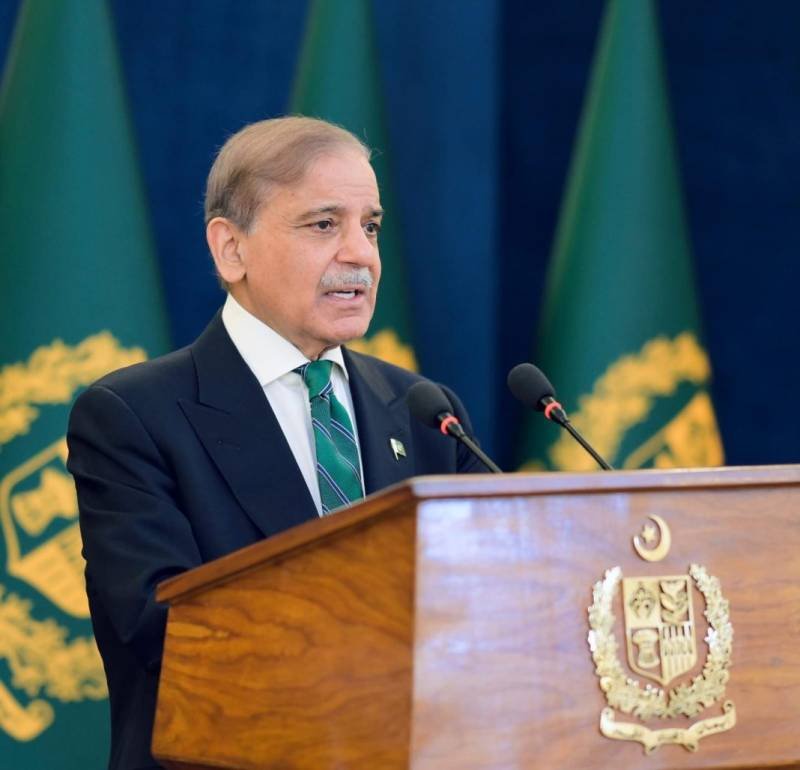
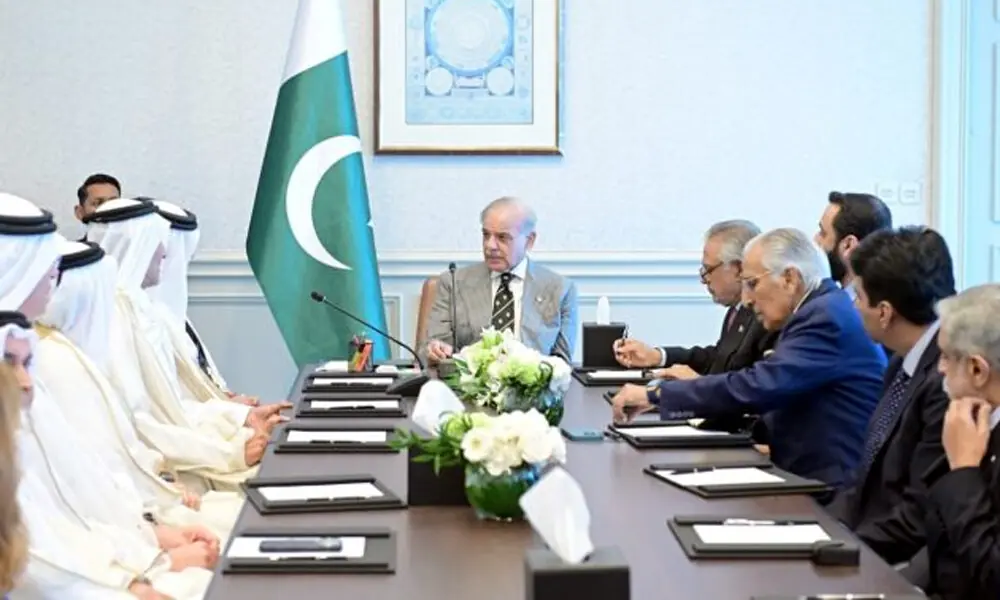
Prime Minister Shehbaz Sharif, during his official visit to Doha, urged Qatari businessmen to explore lucrative investment opportunities in Pakistan. Read More: https://theboardroompk.com/pakistan-non-bank-financial-sector-growth-surges-21-in-h2-2025/ He highlighted the country’s improving macroeconomic indicators and key reforms aimed at attracting foreign capital. Investment Drive in Key Sectors The Prime Minister invited members of the Qatar Businessmen Association (QBA), led by Sheikh Faisal bin Qassim Al Thani, to focus on infrastructure, logistics, energy, agriculture, technology, and export-oriented manufacturing. He emphasized Pakistan’s commitment to private-sector-led growth as a pillar of bilateral ties with Qatar. Sharif praised the Special Investment Facilitation Council (SIFC) as a one-window platform that ensures transparency, efficiency, and quick decisions for investors.Sheikh Faisal expressed strong interest in boosting business-to-business cooperation and actively exploring opportunities in Pakistan. Both sides agreed to sustain close engagement, including an upcoming task force visit to Doha later this month. They also planned business forums to convert discussions into real economic partnerships.Efforts will focus on facilitating linkages between entrepreneurs from both nations to strengthen private-sector relations. The meeting reaffirmed mutual dedication to expanding trade and investment through enhanced collaboration. Broader Economic and Trade Push In separate meetings, the Prime Minister stressed increasing bilateral trade volumes and diversifying Pakistan’s exports to Qatar, especially in agricultural products, food items, and value-added goods. He met Qatar’s Minister of State for Foreign Trade, Dr. Ahmed bin Mohammed Al-Sayed, who chairs the Pak-Qatar Joint Business Task Force. Both reviewed progress in economic cooperation and expressed satisfaction with the growing momentum in relations. They committed to implementing decisions from the 6th Session of the Pakistan-Qatar Joint Ministerial Commission. The Prime Minister again highlighted investment-friendly reforms and the SIFC’s role in easing foreign investment. Dr. Al-Sayed reiterated Qatar’s keenness to expand economic ties and private-sector linkages. The sides decided to hold a task force meeting during Ramadan to discuss specific Qatari investment proposals in Pakistan. These engagements underscore a shared resolve to deepen trade, investment, and industrial collaboration between the two countries.

Cnergyico Pipeline Agreement Signals a Major Shift in Pakistan’s Fuel Transport
Pakistan

Cnergyico Pipeline Agreement Signals a Major Shift in Pakistan’s Fuel Transport

The Cnergyico Pipeline Agreement is set to redefine how fuel moves across Pakistan quietly, efficiently, and with far-reaching economic impact. In a strategic move, Cnergyico Pk Limited has secured board approval for a long-term infrastructure partnership that could transform diesel distribution nationwide. The agreement, signed with Asia Petroleum Limited, grants access to a 14-inch pipeline network for the next 20 years. While the deal may sound technical, its implications stretch from highways to industrial zones touching everything from logistics costs to public safety. Why the Cnergyico Pipeline Agreement Matters At its core, the Cnergyico Pipeline Agreement is about one thing: efficiency. Traditionally, fuel transportation in Pakistan relies heavily on tanker trucks a system that is not only costly but also prone to delays, accidents, and environmental risks. With this new arrangement, High Speed Diesel (HSD) will flow directly from refinery to storage through pipelines, bypassing congested roads. This shift introduces several key benefits: • Reduced transportation costs: Pipelines minimize fuel losses and lower operating expenses• Improved safety: Fewer tanker trucks mean reduced highway accidents• Operational reliability: Continuous flow ensures timely fuel availability In simple terms, it replaces a fragmented, road-heavy system with a streamlined energy corridor. From Refinery to Terminal: A Smarter Fuel Route Under the agreement, diesel produced at Cnergyico’s refinery will be transported to the Zulfiqarabad Oil Terminal via pipeline. From there, it integrates seamlessly into the broader infrastructure network. This includes linkage with the White Oil Pipeline system and storage hubs at Port Qasim two critical nodes in Pakistan’s energy supply chain. Instead of relying on multiple transport modes, the system creates a direct refinery-to-terminal corridor, reducing bottlenecks and ensuring faster distribution across the country. The real innovation lies not just in connectivity, but in continuity fuel moves uninterrupted, from production to storage. Economic and Environmental Impact of the Cnergyico Pipeline Agreement Beyond logistics, the Cnergyico Pipeline Agreement carries broader economic implications. Pipeline-based transport is widely recognized as more efficient than road haulage. By reducing fuel loss and operational costs, companies can improve margins and potentially pass on savings downstream. At the same time, fewer tanker trucks on highways can: • Lower carbon emissions• Reduce road wear and tear• Improve traffic flow in key industrial corridors For a country grappling with energy inefficiencies and urban congestion, this transition could be a quiet but meaningful step toward modernization. Regulatory Approvals and What Comes Next Like most infrastructure projects, the agreement is not yet fully operational. It remains subject to regulatory approvals and the completion of physical connectivity between systems. However, Cnergyico’s board has already authorized management to finalize definitive agreements once these conditions are met. This signals strong internal confidence and suggests that execution may follow swiftly. A Strategic Move for Pakistan’s Energy Future The Cnergyico Pipeline Agreement is more than a corporate development it’s a glimpse into the future of Pakistan’s fuel logistics. As demand for energy continues to rise, efficiency will become just as important as supply. Infrastructure-led solutions like this pipeline network could play a key role in bridging that gap. By shifting away from road dependency and investing in integrated transport systems, Pakistan may be laying the groundwork for a safer, more reliable, and cost-effective energy ecosystem.

JazzCash Shortlisted for GLOMO Awards 2026 in Two Categories
Pakistan

JazzCash Shortlisted for GLOMO Awards 2026 in Two Categories

Karachi, 24 February 2026 JazzCash, Pakistan’s leading digital financial services platform and part of VEON Group, together with Jazz, has been shortlisted for the prestigious GLOMO Awards 2026 in two major categories: Best FinTech & Digital Commerce Innovation and Best Mobile Operator Service for Connected Consumers. Read More: https://theboardroompk.com/foreign-investment-in-pakistan-secp-data-reveals-strong-investor-confidence/ The milestone recognizes JazzCash’s continued leadership in expanding financial inclusion while strengthening digital resilience in Pakistan’s rapidly evolving digital economy. As Pakistan advances under the Prime Minister’s cashless economy initiative, JazzCash has emerged as a key enabler of this national transformation. With over 1 million QR enabled Raast merchants, JazzCash is accelerating the shift from cash to digital transactions at scale. Through QR payments, mobile wallets, digital lending, and e-commerce integration, the platform is empowering MSMEs to participate in formal commerce, expand their customer base, and contribute to a more transparent and digitally driven economy. Commenting on the achievement, Murtaza Ali, CEO of JazzCash, said: “JazzCash was built to transform how Pakistanis pay, save and grow their businesses. Today, millions of customers and merchants rely on our platform every day to run their businesses, access credit and participate in the digital economy. As Pakistan moves toward a cashless future, our focus remains on strengthening the ecosystem that supports our customers by making digital payments seamless, expanding responsible credit and ensuring essential financial services remain secure and always accessible. We will continue to innovate to empower individuals and businesses and accelerate inclusive economic growth across the country.” JazzCash’s innovation journey has consistently earned global recognition. In 2017, it won the GSMA GLOMO Award for Best Mobile Product, Application, or Service for Women in Emerging Markets, reinforcing its commitment to financial inclusion and empowering underserved communities. More recently, JazzCash received Mastercard’s “Pioneering Telco to Launch Tap on Phone” award at Edge 2024 in Dubai. The platform was also nominated at the GLOMO Awards 2025 in the FinTech category, and this continued recognition in 2026 reflects its sustained global benchmarking in digital financial innovation and resilient connectivity. The winners of the GLOMO Awards 2026 will be announced during Mobile World Congress Barcelona 2026.

Foreign Investment in Pakistan: SECP Data Reveals Strong Investor Confidence
Pakistan

Foreign Investment in Pakistan: SECP Data Reveals Strong Investor Confidence

Foreign Investment in Pakistan is proving far more resilient than recent headlines suggest. In a decisive response to negative narratives, the Securities and Exchange Commission of Pakistan (SECP) has released compelling data showing that international investors are not exiting but steadily entering the Pakistani market. Between 2022 and 2025, 79 new foreign companies registered in Pakistan, while only 19 ceased operations. This means new entrants outpaced exits by more than four times a strong indicator that global businesses continue to see long-term value in Pakistan’s economy. Contrary to widely circulated claims, the SECP clarified that the figure of 125 foreign company closures has been misrepresented. That number actually reflects cumulative closures since 1977, not recent years reshaping the narrative around Pakistan’s investment climate. Foreign Investment in Pakistan: Capital Inflows and Corporate Activity Beyond company registrations, Foreign Investment in Pakistan is also reflected in substantial financial inflows. Over the past three years, foreign investors have injected approximately Rs40.7 billion into Pakistan’s private sector, signaling sustained economic engagement. Corporate activity has also been robust: • 61 foreign companies executed share transactions• 29 companies transferred shares to other foreign entities These movements highlight active portfolio restructuring rather than withdrawal often a sign of maturing markets rather than declining interest. Major Deals Driving Foreign Investment in Pakistan Several high-profile transactions further reinforce the upward trajectory of Foreign Investment in Pakistan, spanning key industries: • Energy sector: Saudi Aramco acquired a 40% stake in Go Petroleum• Energy retail: Wafi Energy acquired operations of Shell Pakistan• Logistics: DP World entered a joint venture with National Logistics Corporation• Pharmaceuticals: Pfizer sold its manufacturing plant to Lucky Core Industries These deals underline a critical shift: foreign companies are not leaving Pakistan they are restructuring, partnering, and reinvesting strategically. Global Interest Expands Across Markets In just the past month, Foreign Investment in Pakistan extended to 82 local companies, with investors coming from a diverse range of countries including: China, the United States, the United Kingdom, Germany, Australia, Turkey, Malaysia, South Korea, Denmark, South Africa, and Spain. This geographic diversity reflects Pakistan’s growing appeal as a multi-sector investment destination, rather than reliance on a single region. Foreign Investment in Pakistan: A Snapshot (2022–2026) Instead of raw tables, the data paints a clear narrative: Pakistan’s investment landscape shows a net positive inflow of companies, strong capital injection, and increasing transactional activity. With 1,157 foreign companies currently operational as of February 2026, the country continues to host a sizable international business presence. The ratio of entries to exits (79 vs. 19) suggests stability, while billions in inflows indicate confidence. Meanwhile, mergers, acquisitions, and joint ventures point to strategic repositioning rather than retreat. What This Means for Pakistan’s Economic Outlook The latest SECP data sends a powerful message: Foreign Investment in Pakistan is not declining it is evolving. Despite global economic uncertainty and local challenges, Pakistan remains on the radar of multinational corporations. The presence of ongoing negotiations and upcoming partnerships further signals that investment momentum is likely to continue in the near future. For policymakers, this reinforces the importance of maintaining regulatory stability. For investors, it presents an opportunity to enter a market where global players are already actively engaged. Conclusion: A Narrative Shift in Foreign Investment in Pakistan The story of Foreign Investment in Pakistan is no longer about exits it’s about renewed confidence, strategic deals, and sustained inflows. As the data clearly shows, perception and reality are diverging and the reality is far more optimistic.

Pakistan EV Charging Infrastructure: How Livoltek Is Powering the Future
Pakistan

Pakistan EV Charging Infrastructure: How Livoltek Is Powering the Future

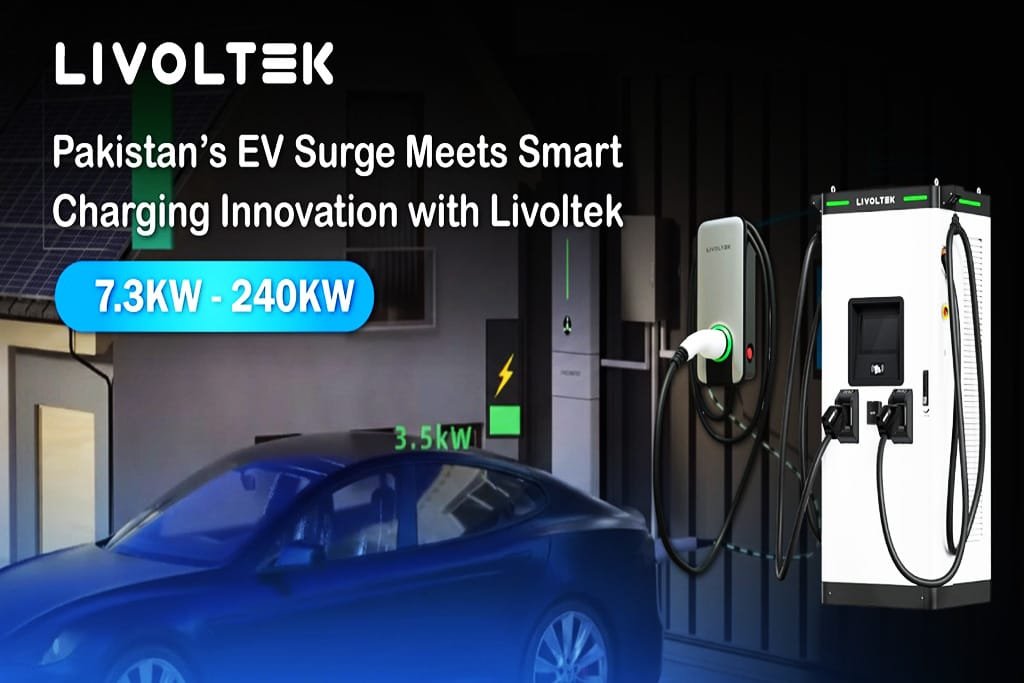
Pakistan EV Charging Infrastructure is entering a defining moment. As electric vehicles (EVs) gain traction across cities like Islamabad and Karachi, the country is shifting from early adoption to accelerated expansion. But beneath the surface of this EV surge lies a critical question: can infrastructure keep pace with ambition? The answer is beginning to take shape powered by innovation, policy support, and technology leaders like Livoltek. Pakistan EV Charging Infrastructure and Policy Momentum Pakistan’s transition to electric mobility is anchored in the National Electric Vehicle Policy (NEVP), which sets an ambitious target: 30% of all new vehicle sales to be electric by 2030. That translates into over 2 million EVs on the road within just a few years. To support this vision, the government plans to deploy 3,000 EV charging stations nationwide. Major highways such as the M1 Motorway, M5 Motorway, and N5 National Highway are expected to feature fast chargers every 15–30 kilometers. Urban centers will adopt dense charging grids to ensure accessibility. While challenges like grid integration and import costs persist, incentives such as reduced duties and regulatory onboarding are opening doors for global players. How Livoltek Is Transforming Pakistan EV Charging Infrastructure Livoltek is not just entering the market it is shaping it. Its diverse product ecosystem addresses the full spectrum of EV charging needs, from residential users to large-scale infrastructure investors. At the residential level, compact AC chargers provide efficient and secure home charging. These systems are designed for everyday convenience, offering app-based access and smart scheduling. In commercial spaces, businesses benefit from scalable solutions that optimize energy use and reduce operational costs. For high-demand environments like highways and public hubs, Livoltek’s DC fast chargers deliver rapid charging minimizing wait times and maximizing throughput. This layered approach ensures that Pakistan EV Charging Infrastructure evolves holistically rather than in isolated pockets. Smart Technology at the Core of Pakistan EV Charging Infrastructure What truly differentiates Livoltek is its intelligent digital ecosystem. Through integrated software platforms, users can monitor consumption, schedule charging sessions, and take advantage of off-peak tariffs. This isn’t just convenience it’s grid intelligence. Multiple connectivity options, including Wi-Fi and 4G, enable seamless system integration, while over-the-air updates ensure continuous optimization. Smart charging modes allow dynamic load balancing and even full solar integration, aligning EV adoption with renewable energy goals. In a country facing energy management challenges, such smart systems could redefine how electricity is consumed and distributed. Built for Pakistan’s Diverse Conditions Pakistan’s geography is as varied as its climate from coastal humidity to mountainous extremes. Livoltek’s chargers are engineered to operate reliably across these conditions, ensuring consistent performance whether installed in urban centers or remote highway corridors. Safety and compliance are equally critical. With international certifications and built-in protection systems, these chargers offer long-term reliability an essential factor for investors and public-private partnerships. Global Experience Meets Local Opportunity Livoltek’s footprint spans over 30 countries, including deployments in Europe and Asia. These real-world implementations provide valuable insights into scaling EV infrastructure efficiently. For Pakistan, this global experience translates into reduced risk and faster deployment cycles two factors crucial for meeting the country’s 2030 targets. The Road Ahead for Pakistan EV Charging Infrastructure The future of Pakistan EV Charging Infrastructure is not just about numbers it’s about integration, intelligence, and sustainability. As EV adoption accelerates, the demand for reliable charging networks will intensify. Companies like Livoltek are stepping in not merely as suppliers but as ecosystem enablers bridging the gap between policy ambition and real-world execution. Pakistan’s electric mobility journey has begun. The infrastructure built today will determine how fast and how far the country can go.

SSGC Refutes Gas Suspension Rumors in Karachi During Ramzan
Pakistan

SSGC Refutes Gas Suspension Rumors in Karachi During Ramzan

The Sui Southern Gas Company (SSGC) has firmly dismissed circulating reports suggesting that gas supply will be suspended during Iftaar hours in Karachi throughout Ramzan. The company labeled these claims as inaccurate and misleading. Read More: https://theboardroompk.com/kse-100-index-decline-a-market-on-edge/ According to SSGC, management teams are actively monitoring the gas distribution network to ensure stability. While overall supply remains intact, the company acknowledged that certain areas may experience low gas pressure or brief interruptions. These disruptions are largely attributed to the illegal use of gas compressors in some neighborhoods. SSGC highlighted that gas demand typically surges during winter and Ramzan due to increased domestic consumption. To address this seasonal spike, the company has implemented special operational measures and activated 24/7 control rooms. Senior leadership, including the Managing Director, is directly supervising supply operations — particularly during Sehar and Iftaar hours when demand peaks. In line with federal government directives, SSGC aims to maintain continuous gas supply from 3:00 am to 10:30 pm. Consumers facing supply issues are encouraged to contact the 24/7 helpline at 1199 or reach out through official social media channels and the company’s mobile app for prompt assistance.

JS Bank Reports Profit Before Tax of PKR 6.191 Billion for year ended December 2025
Pakistan

JS Bank Reports Profit Before Tax of PKR 6.191 Billion for year ended December 2025

Karachi, February 24, 2026 — JS Bank Limited (PSX: JSBL) today announced its financial results for the year ended December 31, 2025. The bank demonstrated growth in total income and continued its strategic focus on long-term value creation, with total income rising to PKR 40.313 billion, a 4% increase from PKR 38.644 billion earned in the prior year. Read More: https://theboardroompk.com/tribunal-upholds-ccps-pkr40-million-penalty-on-udpl-ibl-for-anti-competitive-agreement/ The Bank reported a Profit before tax of PKR 6.191 billion for the year 2025, as against PKR 6.366 billion for last year. Amidst a lower interest rate environment, the Bank’s Net Interest Income ended flat year on year, and was reported at PKR 27.149 billion, while Non mark-up income rose by 17% Year on Year to end at PKR 13.164 billion, driven by healthy fee, commission and other income, dividend income, and notable gains on securities. Consequently, the Bank’s earnings per share (EPS) stood at PKR 1.36 for the year 2025, compared to PKR 1.39 for the year 2024. The Bank’s Profit After Tax was PKR 2.79 billion this year. JS Bank’s balance sheet showed steady growth and total assets were reported at PKR 655.64 billion, growing by 3% over December 2024.The Bank’s deposit base showed further strengthening, with non-remunerative deposits rising to PKR 222.12 billion from PKR 198.41 billion at December 2024, improving the non-remunerative deposit mix to 41% against 38% last year. On a year on year basis, non-remunerative deposits improved by PKR 23.71 billion or 12%. Savings deposits expanded significantly to PKR 204.27 billion, compared to PKR 172.84 billion in last year, while term deposits stood at PKR 117.11 billion, reflecting a strategic shift towards more liquid and cost-efficient deposit products. Operating expenses grew in line with continued investment in people, technology, and infrastructure to support long-term growth and the bank’s efforts towards enhancing customer experience. Commenting on the results, Basir Shamsie, President & CEO of JS Bank, said “In 2025, the Bank remained focused on creating long-term value for its stakeholders, with customers at the core of its strategy. Despite evolving market conditions, we strengthened income diversification, enhanced resilience, and continued investing in digital capabilities and service excellence. The growth in non-markup income and securities gains reflects the progress made in building a more sustainable earnings profile. We are optimistic that the years ahead will further strengthen our ability to deliver sustainable growth and long-term value for all our stakeholders.”

Tribunal Upholds CCP’s PKR40 Million Penalty on UDPL & IBL for Anti-Competitive Agreement
Pakistan

Tribunal Upholds CCP’s PKR40 Million Penalty on UDPL & IBL for Anti-Competitive Agreement

ISLAMABAD: The Competition Appellate Tribunal (CAT) has upheld the cumulative penalty of PKR 40 million imposed by the Competition Commission of Pakistan (CCP) on United Distributors Pakistan Limited (UDPL) and International Brands (Private) Limited (IBL) for entering into an anti-competitive non-compete agreement in violation of Section 4 of the Competition Act, 2010. Read More: https://theboardroompk.com/punjab-government-jet-purchase-strategic-investment-or-political-controversy/ In its order, the Tribunal affirmed that the appellants, by their own conduct, acknowledged the agreement as a non-compete arrangement and endorsed the CCP’s finding that the agreement restricted competition and constituted a prohibited market-sharing arrangement. CCP had initiated proceedings after UDPL publicly disclosed to the Pakistan Stock Exchange that it had entered into a non-compete agreement with IBL. Under the agreement, UDPL agreed not to distribute human pharmaceutical products in Pakistan for a period of three years in exchange for a payment of PKR 1.131 billion from IBL. CCP found that the agreement effectively eliminated UDPL as a competitor in the relevant market and restricted competition. The substantial payment was deemed a financial incentive to ensure UDPL’s exit from the market, thereby protecting IBL from competitive pressure and creating barriers to entry. Although the agreement contained a clause requiring regulatory approval, both companies failed to obtain prior exemption from CCP and applied for exemption only after the issuance of show cause notices. CCP rejected the exemption application, concluding that the agreement did not meet the legal criteria for exemption and that the violation had already occurred. Accordingly, CCP imposed a penalty of PKR 20 million each on UDPL and IBL under Section 38 of the Competition Act, 2010, for entering into and giving effect to the anti-competitive agreement. The Tribunal upheld CCP’s findings on the violation and endorsed CCP’s view that, following the dismissal of their exemption application, the appellants did not pursue any further legal remedy, thereby implying acceptance of the contravention. The Tribunal held that the penalties of PKR 20 million each imposed on UDPL and IBL were justified and warranted, and accordingly maintained the cumulative penalty of PKR 40 million.

Pakistan

Imran Khan Receives Second Anti-VEGF Injection for Severe Eye Condition at PIMS

Imran Khan, the founder of Pakistan Tehreek-e-Insaf (PTI), underwent a critical follow-up eye procedure late on February 23, 2026. Read More: https://theboardroompk.com/ufone-and-zong-deposit-30m-pre-bid-for-pakistans-5g-auction/ He was shifted from Adiala Jail to the Pakistan Institute of Medical Sciences (PIMS) in Islamabad for the treatment. The former prime minister received his second dose of an anti-VEGF intravitreal injection to manage severe Central Retinal Vein Occlusion (CRVO) in his right eye. Medical Details and Treatment Progress Doctors diagnosed CRVO, which has caused about 85% vision loss in the affected eye. The condition blocks blood flow in the retina and requires prompt intervention to prevent permanent damage. The first injection was administered on January 24-25, 2026. This second dose was given as day-care surgery under senior ophthalmologists and vitreo-retinal surgeons from PIMS and Al-Shifa Eye Hospital. A medical board examined him beforehand. Cardiac tests, including ECG and echocardiography, returned normal results. Political Reactions and Concerns PTI Chairman Barrister Gohar Ali Khan criticized the lack of transparency and independent oversight. He demanded inclusion of personal physicians in future examinations and suggested transfer to a private facility like Shifa International Hospital. The Tehreek-e-Tahaffuz-e-Aaeen-e-Pakistan (TTAP) condemned the night time transfer without family or party consultation, labelling it a violation of rights. Hospital officials confirmed the procedure’s success and declared Imran Khan clinically stable. He was returned to Adiala Jail under heavy security after the treatment. The third and final injection in this course is tentatively scheduled for March 23, 2026.

PM Shehbaz Departs for Qatar to Strengthen Economic and Bilateral Ties
Pakistan

PM Shehbaz Departs for Qatar to Strengthen Economic and Bilateral Ties

Prime Minister Shehbaz Sharif is set to depart for a two-day official visit to Qatar today, February 23, 2026. The trip, at the invitation of Qatar’s Amir Sheikh Tamim bin Hamad Al Thani, focuses on strengthening deep-rooted fraternal ties between the two nations. Read More: https://theboardroompk.com/pakistanis-drank-rs-106-billion-worth-of-tea-in-just-seven-months/ Emphasis on Economic and Investment Cooperation The visit prioritizes advancing economic collaboration and attracting investments to Pakistan. Discussions will explore new opportunities in trade, energy partnerships, infrastructure development, and manpower export. With Pakistan seeking to boost its economy, the talks aim to unlock fresh avenues for bilateral business growth and mutual benefit. Broad Agenda for Bilateral Relations Beyond economics, Prime Minister Shehbaz will hold high-level meetings with the Qatari leadership, including a bilateral session with the Amir. The agenda covers the full range of relations: political engagement, energy cooperation, people-to-people exchanges, and views on regional and global issues. Both sides are expected to reaffirm their commitment to peace, stability, and prosperity in the region. Accompanied by Deputy Prime Minister and Foreign Minister Ishaq Dar, along with a high-level delegation, the visit underscores Pakistan’s ongoing efforts to deepen multifaceted ties with Qatar. The Foreign Office highlighted the longstanding partnership built on mutual trust and coordination at international forums. This trip builds on previous engagements and signals continued momentum in Pakistan-Qatar relations amid shared interests in economic resilience and strategic alignment.

Scroll to Top