Pakistan

Pakistan Stock Market Today: Volume Slips Amid Mixed Trading Session
Pakistan

Pakistan Stock Market Today: Volume Slips Amid Mixed Trading Session

Pakistan Stock Market Today witnessed a cautious trading session as overall market participation declined, reflecting investor selectivity despite strong year-to-date gains in the benchmark KSE-100 Index. Market volumes and traded value both registered a decrease compared to the previous session, while sector-wise performance remained mixed. Total market volume stood at 650.14 million shares, down from 684.55 million shares recorded in the previous session. Similarly, the traded value declined to Rs28.26 billion, showing a reduction of Rs1.84 billion, highlighting subdued institutional activity amid profit-taking in select stocks. Market Breadth and Trading Activity Overview During the session, 347,006 trades were reported across 480 listed companies, reflecting broad-based market participation. However, declining stocks outnumbered gainers, indicating cautious sentiment. • 151 stocks closed higher• 286 stocks closed lower• 43 stocks remained unchanged This imbalance suggests that while selective buying interest persisted, broader market sentiment remained under pressure. Pakistan Stock Market Today: Top Traded Stocks by Volume Activity remained concentrated in a handful of stocks, particularly from the aviation, telecom, power, and technology sectors. Top 10 Stocks by Volume • PIAHCLA closed at Rs37.62, down 5.17%, leading volumes with 45.03 million shares• K-Electric (KEL) ended at Rs5.88, losing 3.61%, with 39.47 million shares traded• Pakistan Telecommunication Company (PTC) stood out, gaining 6.01% to close at Rs49.25, with volumes of 32.27 million shares• WorldCall Telecom (WTL) slipped 1.68% to Rs1.75• Crescent Star Insurance (CSIL) declined 5.73% to Rs8.56• Pakistan International Bulk Terminal (PIBTL) edged up 0.17%• Bank of Punjab (BOP) gained 1.18%, reflecting selective banking sector interest• TPL Corp (TPL) saw a sharp 9.98% decline• Cnergyico (CNERGY) and DSLNC both closed lower amid weak energy sector sentiment KSE-100 Performance: Strong Long-Term Momentum Despite short-term volatility, Pakistan Stock Market Today continues to reflect robust long-term performance. The KSE-100 Index has delivered impressive gains across both fiscal and calendar timelines. Key Performance Highlights: • Fiscal Year Gain:The index has surged 45,446 points, representing a 36.18% increase during the current fiscal year.• Calendar Year Gain:On a calendar-year basis, the KSE-100 has climbed 55,947 points, translating into a substantial 48.60% rise. These figures underscore strong investor confidence, supported by easing inflation expectations, improving macroeconomic indicators, and optimism around structural reforms. Outlook: What Lies Ahead for Pakistan Stock Market Today? Market analysts believe near-term consolidation is healthy after a sharp rally. Investors are likely to remain selective, focusing on fundamentally strong stocks, dividend plays, and sectors poised to benefit from expected monetary easing and economic stabilization. While volume contraction signals short-term caution, the broader trend remains positive, with Pakistan equities continuing to attract local and foreign interest due to attractive valuations and improving economic visibility.

PIA Privatization Auction Draws Strong Investor Interest
Pakistan

PIA Privatization Auction Draws Strong Investor Interest

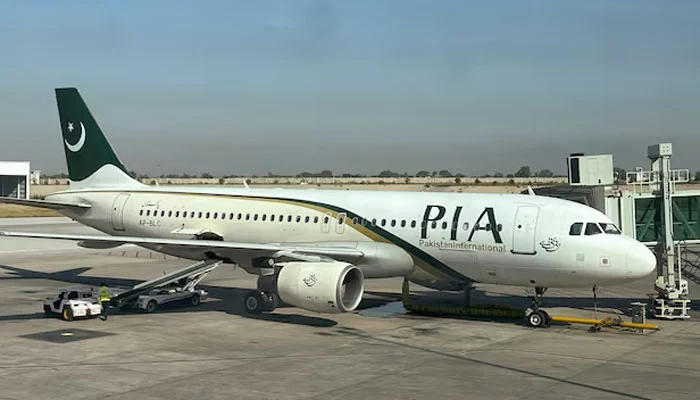
PIA privatization auction activity intensified as the Arif Habib–led consortium emerged as the highest bidder in the latest and most closely watched phase of Pakistan International Airlines’ (PIA) privatization process. The live auction, broadcast nationwide from Islamabad, marked a significant milestone in the government’s ongoing efforts to reform and revive state-owned enterprises through private-sector participation. The consortium submitted a Rs115 billion bid, outperforming other major contenders and reinforcing market confidence in the national flag carrier’s long-term potential under private management. PIA Privatization Auction Results Highlight Competitive Bidding The competitive nature of the PIA privatization auction was evident as several prominent business groups participated in the televised bidding process. Following the Arif Habib–led consortium, the Lucky Group placed a strong bid of Rs101.5 billion, while Air Blue submitted an offer of Rs26.5 billion. The wide range of bids underscored differing valuations and strategic approaches toward PIA’s future, while also reflecting strong interest from Pakistan’s corporate sector in aviation, logistics, and infrastructure-related investments. Live Televised PIA Privatization Auction Boosts Transparency One of the standout features of this phase of the PIA privatization auction was the decision to conduct the process live on television. The broadcast allowed investors, analysts, and the general public to witness real-time bidding, reinforcing transparency and accountability—key concerns in previous privatization efforts. Government officials emphasized that the live format was designed to build public trust and demonstrate fairness in the bidding process, a move that was widely welcomed by market observers and economic commentators. Why the PIA Privatization Auction Matters for Pakistan’s Economy The PIA privatization auction is being viewed as a litmus test for Pakistan’s broader privatization agenda. PIA, long burdened by financial losses, operational inefficiencies, and mounting debt, has been a major drain on public finances. A successful privatization could: • Reduce fiscal pressure on the government• Improve service quality and operational efficiency• Attract foreign and local investment into Pakistan’s aviation sector• Strengthen investor confidence in future privatization initiatives The Rs115 billion offer from the Arif Habib–led consortium signals optimism that PIA’s challenges can be addressed through professional management, financial restructuring, and strategic expansion. Arif Habib Consortium’s Bid Signals Confidence in PIA’s Revival Analysts believe the substantial bid submitted during the PIA privatization auction reflects a calculated bet on the airline’s turnaround potential. With Pakistan’s air travel demand steadily increasing and regional connectivity improving, PIA could regain profitability if operational reforms are effectively implemented. Private ownership may also enable faster decision-making, fleet modernization, route optimization, and better customer service areas where PIA has historically struggled. What Comes Next After the PIA Privatization Auction While the bidding phase of the PIA privatization auction has concluded, the process is not yet final. Regulatory approvals, due diligence, and compliance requirements will determine the final outcome. Market participants will be closely watching how negotiations progress and whether the highest bid translates into a completed transaction. If successfully concluded, this privatization could set a precedent for future divestments of state-owned enterprises in Pakistan. The PIA privatization auction marks a critical turning point for Pakistan International Airlines and the country’s economic reform agenda. The Arif Habib–led consortium’s Rs115 billion bid not only topped the auction but also sent a strong signal of renewed confidence in Pakistan’s aviation sector. As the process moves toward completion, stakeholders remain hopeful that privatization will usher in a new era of efficiency, competitiveness, and growth for PIA.

Pakistan Government Debt Rises Sharply Despite Fiscal Year Net Retirement
Pakistan

Pakistan Government Debt Rises Sharply Despite Fiscal Year Net Retirement

Pakistan government debt recorded a sharp weekly increase as the federal and provincial governments collectively acquired Rs466.7 billion in additional debt during the week ended December 12, 2025, according to the latest State Bank of Pakistan (SBP) weekly estimates. Despite this rise, the overall picture for the ongoing fiscal year 2026 (FY26) still reflects a net retirement of Rs149.06 billion, highlighting the government’s complex borrowing and repayment dynamics. The SBP data offers critical insight into how Pakistan is financing its fiscal needs amid economic stabilization efforts, monetary tightening, and rising development expenditures. Pakistan Government Debt Split Across Key Borrowing Categories Pakistan government debt is officially categorized into three broad borrowing purposes: During the reported week, borrowing activity was heavily skewed toward budgetary support, underscoring continued pressure on public finances. Weekly Breakdown of Pakistan Government Debt • Budgetary Support: Net borrowing of Rs467.63 billion• Commodity Operations: Net retirement of Rs926 million• Others: Net retirement of Rs3 million This breakdown clearly shows that while short-term liabilities declined in commodity-related operations, the government relied extensively on borrowing to meet budgetary requirements. Cumulative Pakistan Government Debt Position in FY2026 On a cumulative basis for FY2026, Pakistan government debt trends reveal a mixed fiscal outcome: • Budgetary Support: Net retirement of Rs166.91 billion• Commodity Operations: Net borrowing of Rs19.21 billion• Others: Net retirement of Rs1.36 billion These figures suggest that while the government has managed to reduce some debt obligations over the fiscal year, recurring weekly borrowings continue to offset broader repayment gains. State Bank of Pakistan’s Role in Pakistan Government Debt The State Bank of Pakistan (SBP) remains one of the largest sources of budgetary financing. Since the start of FY2026: • The government has retired a net Rs755.19 billion to the SBP• Federal Government: Retired Rs994.63 billion• Provincial Governments: Borrowed Rs276.23 billion• AJK Government: Retired Rs19.06 billion• Gilgit-Baltistan Government: Retired Rs17.72 billion This indicates a strong effort by the federal government to reduce reliance on central bank financing, aligning with monetary discipline goals. Scheduled Banks and Pakistan Government Debt Exposure In contrast to SBP repayments, Pakistan government debt exposure to scheduled banks increased significantly: • Net borrowing from scheduled banks: Rs588.28 billion• Federal Government: Borrowed Rs671.69 billion• Provincial Governments: Retired Rs83.41 billion This shift highlights a strategic transition from central bank borrowing to commercial banking channels, which can influence liquidity conditions, interest rates, and private sector credit availability. What Rising Pakistan Government Debt Means for the Economy While net retirement for FY2026 reflects fiscal restraint, the large weekly spikes in Pakistan government debt raise important concerns: • Increased reliance on banks may crowd out private sector lending• Higher borrowing costs could pressure future budgets• Fiscal sustainability remains sensitive to revenue performance and external financing Market analysts and policymakers will closely monitor upcoming SBP data to assess whether weekly borrowing trends stabilize in the second half of the fiscal year. Pakistan government debt continues to follow a volatile but strategically managed path in FY2026. While the government has achieved net debt retirement over the fiscal year, short-term borrowing pressures particularly for budgetary support remain significant. The evolving balance between SBP repayments and scheduled bank borrowings will be a key indicator of Pakistan’s fiscal and monetary stability moving forward.

FBR Reports 54.7% Surge in Withholding Tax from Salaried Individuals for Jan-Jun 2024-25
Pakistan

FBR Reports 54.7% Surge in Withholding Tax from Salaried Individuals for Jan-Jun 2024-25

Islamabad, December 23, 2025 – The Federal Board of Revenue (FBR) has released its long-delayed Biannual Review for the second half of fiscal year 2024-25, revealing a significant 54.7% year-on-year increase in withholding tax (WHT) collection from salaried individuals during January-June 2024-25.Record Rs214.2 Billion Collected Under Section 149 Read More: https://theboardroompk.com/pakistans-wealth-gap-widens-top-10-hold-59-of-total-wealth-report-reveals/ Withholding tax deducted from salaries under Section 149 of the Income Tax Ordinance 2001 soared to Rs214.2 billion in the January-June period of FY2024-25, marking a substantial rise compared to the corresponding period in FY2023-24. This growth highlights the salaried class’s growing contribution to direct tax revenues, amid ongoing economic pressures and persistent high inflation.Broader Withholding Tax Trends Show Robust GrowthThe report also indicates strong performance across other withholding tax categories. Collections from contracts (Section 153) rose 39%, imports (Section 148) increased by 10.9%, telephone users (Section 235) grew 24.1%, and exports (Section 236) climbed 23.5%. These figures underscore the heavy reliance on withholding mechanisms for revenue mobilization, as WHT continues to form a major portion of FBR’s income tax receipts.The delayed release of the biannual data—six months after the period ended—comes as the government pushes for fiscal consolidation under international commitments. While the surge reflects effective deduction at source, it also intensifies the tax burden on formal sector employees, who remain one of the most compliant taxpayer segments in Pakistan.

Unity Foods CEO Appointment Signals Strategic Leadership Transition
Pakistan

Unity Foods CEO Appointment Signals Strategic Leadership Transition

Unity Foods CEO appointment has marked a significant leadership milestone as Unity Foods Limited (PSX: UNITY) announced a planned and well-structured transition at the top, effective December 23, 2025. The company has appointed Mr. Amir Shehzad, previously serving as Chairman of the Board, as its new Chief Executive Officer, reinforcing continuity and long-term strategic focus. The leadership transition reflects Unity Foods’ commitment to stability, governance excellence, and sustained growth within Pakistan’s evolving food and agribusiness sector. Unity Foods CEO Appointment Reflects Board’s Strategic Confidence The Unity Foods CEO appointment follows the decision of Mr. Farrukh Amin to step down from the CEO role and transition into the position of Non-Executive Director. This move allows the company to retain Mr. Amin’s strategic insights while introducing executive leadership continuity under Mr. Shehzad. According to the official press release, the Board emphasized that the transition was carefully planned to ensure operational stability, uninterrupted strategic momentum, and continued collaboration with key stakeholders. Role of Farrukh Amin in Strengthening Unity Foods During his tenure as CEO, Mr. Farrukh Amin played a critical role in reinforcing Unity Foods’ operational foundations. His leadership helped drive strategic initiatives, enhance internal efficiencies, and strengthen stakeholder confidence during a period of expansion and transformation. Recognition from Wilmar International Wilmar International, a strategic partner of Unity Foods, formally acknowledged Mr. Amin’s contributions, highlighting his leadership role in advancing the company’s operational and strategic objectives. His continued presence on the Board ensures that Unity Foods benefits from institutional knowledge and leadership continuity. Why the Unity Foods CEO Appointment Matters The Unity Foods CEO appointment of Mr. Amir Shehzad underscores the Board’s confidence in leadership rooted in deep institutional knowledge and governance experience. Having served as Chairman, Mr. Shehzad brings clarity of vision, strategic alignment, and an in-depth understanding of Unity Foods’ long-term growth roadmap. Strategic Continuity and Growth Focus This leadership shift is designed to:• Maintain strategic consistency• Strengthen corporate governance• Ensure smooth execution of long-term business objectives• Enhance collaboration with Wilmar International The Board believes that Mr. Shehzad’s leadership will support Unity Foods’ ambitions across value-added food segments and agribusiness innovation. Board’s Outlook on Unity Foods’ Future In its statement, the Board of Directors expressed deep appreciation for Mr. Farrukh Amin’s service and leadership as CEO, while reaffirming confidence in Mr. Amir Shehzad’s ability to steer the company forward. Under the new leadership structure, Unity Foods is expected to advance with: • Operational stability• Strategic clarity• Long-term value creation for shareholders• Stronger stakeholder alignment Conclusion: Unity Foods CEO Appointment Sets Stage for Long-Term Value The Unity Foods CEO appointment represents more than a leadership change—it reflects a disciplined succession strategy focused on sustainable growth and governance excellence. With Mr. Amir Shehzad at the helm and Mr. Farrukh Amin continuing as Non-Executive Director, Unity Foods is well-positioned to strengthen its market presence and deliver long-term value in Pakistan’s competitive food industry.

Pakistan Shifts from Cash-Based to Accrual-Based Accounting for Enhanced Transparency
Pakistan

Pakistan Shifts from Cash-Based to Accrual-Based Accounting for Enhanced Transparency

Islamabad, December 22, 2025 – The Auditor General of Pakistan (AGP) has officially initiated the transition from the current cash-based government accounting system to an accrual-based framework, marking a landmark reform in public financial management. Currently, Pakistan’s government accounts, prepared on a cash basis since 2000, record transactions only when cash is received or paid. In contrast, accrual-based accounting recognizes revenues when they are earned and expenses when they are incurred, regardless of when actual cash changes hands. For instance, if a government department provides services in one fiscal year but receives payment in the next, accrual accounting records the revenue in the year the service was delivered. This method provides a more comprehensive view of financial position, including assets, liabilities, receivables, and payables, leading to greater accuracy in assessing fiscal health. Read More: https://theboardroompk.com/pakistans-circular-debt-crisis-is-stalling-1-billion-gas-field-investment/ Understanding Accrual-Based Accounting Accrual accounting, aligned with International Public Sector Accounting Standards (IPSAS), offers a fuller picture of government finances compared to cash-based systems, which can distort long-term obligations like pensions or debts. It enhances transparency by revealing true economic impacts of policies and improves decision-making through reliable data on commitments and resources. The AGP, exercising authority under Article 170 of the Constitution, is leading the review with technical assistance from the World Bank. The new standards will apply uniformly to federal, provincial, and local governments upon presidential approval. This move underscores the government’s commitment to fiscal discipline, accountability, and better governance. Officials stated that the shift will significantly elevate the quality of financial reporting, aligning Pakistan with global best practices for the first time.

Gold Price in Pakistan All-Time High as Bullish Trend Dominates Markets
Pakistan

Gold Price in Pakistan All-Time High as Bullish Trend Dominates Markets

Gold Price in Pakistan All-Time High has become the defining headline for bullion markets as both local and international gold prices surge to historic levels. Driven by strong global demand, currency dynamics, and year-end market positioning, gold continues to attract investors seeking safety amid economic uncertainty. As of Monday, December 22, 2025, gold is trading close to its global all-time high near $4,420, while domestic prices in Pakistan have also reached record-breaking levels, according to the All Pakistan Sarafa Gems and Jewellers Association (APSGJA). Gold Price in Pakistan All-Time High: Latest Local & International Rates The latest interbank-based gold and silver prices reflect strong bullish momentum across commodities. Pakistan Gold Rates (Interbank – APSGJA)• Gold Tola (24K): Rs. 462,362 (+Rs. 6,200)• Gold 10 Grams (24K): Rs. 396,400 (+Rs. 5,315)• Gold 10 Grams (22K): Rs. 363,379 (+Rs. 4,872) International Bullion Prices• Gold (USD): $4,400 (+ $62)• Silver (USD): $69.30 (+ $2.18) Silver Prices in Pakistan• Silver Tola (24K): Rs. 7,205 (+Rs. 218)• Silver 10 Grams: Rs. 6,177 (+Rs. 187) These prices are based on interbank exchange rates with 999 purity (24K) gold, confirming the strength of the ongoing uptrend. Why Gold Price in Pakistan Is at an All-Time High Several factors are contributing to the unprecedented rise in gold prices:• Strong global bullish trend in precious metals• Year-end 2025 closing activity by institutional investors• Currency volatility and USD dynamics• Safe-haven demand amid global economic uncertainty• Limited liquidity due to Christmas and banking holidays With large investors temporarily stepping back during December, even moderate buying pressure can result in sharp upward price movements. Gold Price in Pakistan All-Time High: Technical Outlook & Buy Zone Despite the strong bullish structure, analysts advise caution due to holiday-season volatility. Current Market Snapshot• Current International Price: ~$4,410• Trend: Strong Bullish• Market Context: Year-end closing & Christmas holidays Best Buy Zone (H1 Support)• $4,345 – $4,340 A deep pullback toward this support range could offer a safer buying opportunity for traders looking to enter with controlled risk. Risk Management During Year-End Gold Rally With December trading conditions in play, disciplined risk management is critical.• Small Lot Size: Reduced liquidity increases sudden price swings• Strict Stop Loss: Never trade without protection• Patience: Markets may move sideways or behave unpredictably In the final days of December, USD banks remain closed more frequently, increasing the risk of short-term manipulation. Protecting capital is the real success in volatile markets. Outlook: Gold Price in Pakistan All-Time High May Extend Further The broader trend suggests gold could remain strong into early 2026, especially if global uncertainty persists. However, short-term corrections should not be ruled out as liquidity normalizes after the holidays. For investors and businesses, gold’s record highs underscore its continued relevance as a store of value and a strategic hedge against inflation and currency risks.

Blue-Ex Limited IPO Draws Strong Investor Response with 4.2 Million Shares Subscribed
Pakistan

Blue-Ex Limited IPO Draws Strong Investor Response with 4.2 Million Shares Subscribed

Blue-Ex Limited IPO has emerged as one of the most notable public offerings on the Pakistan Stock Exchange (PSX) in December 2025, attracting overwhelming investor interest and underscoring growing confidence in Pakistan’s logistics and courier services sector. According to official data released on December 22, 2025, the initial public offering of Blue-Ex Limited (PSX: GEMBLUEX) received applications for 4,232,500 ordinary shares, significantly exceeding the issue size of 1,000,000 shares. The subscription process was conducted on December 16 and 17, 2025, and was compiled by CDC Share Registrar Service Limited. Blue-Ex Limited IPO Subscription Highlights The Blue-Ex Limited IPO witnessed participation from a broad base of retail investors, reflecting strong market sentiment toward growth-oriented companies listed on the Growth Enterprise Market (GEM) board. A total of 3,156 applications were received during the public subscription period. The strongest demand was recorded in the “Above 2,000 Units” category, which accounted for 1,981,500 shares, making it the largest contributor to overall demand. IPO Subscription Breakdown by Category The IPO subscription attracted applications across multiple categories. In the 500-share category, 1,762 applications were received for a total of 881,000 shares, amounting to PKR 57.265 million. The 1,000-share category recorded 694 applications, with 694,000 shares applied for and an investment value of PKR 45.11 million. In the 1,500-share category, 160 applications were submitted for 240,000 shares, translating into PKR 15.6 million. The 2,000-share category saw 218 applications for 436,000 shares, with a total amount of PKR 28.34 million. Applications above 2,000 units accounted for 322 applications, covering 1,981,500 shares and an investment of PKR 128.798 million. Overall, the IPO received 3,156 applications for a total of 4,232,500 shares, with the cumulative subscription amount reaching PKR 275.113 million. Blue-Ex Limited IPO Allotment and Balloting Details Under the allotment framework announced for the Blue-Ex Limited IPO, investors applying for up to 500 shares will receive full allocation. Meanwhile, balloting for applications of 1,000 shares is scheduled to take place on December 23, 2025. Applicants who applied for more than 1,000 shares will receive full refunds, as the excess demand in higher categories surpassed the allocated quota. This allocation structure ensures fair participation while prioritizing smaller retail investors. Total Funds Raised Through Blue-Ex Limited IPO The IPO generated a total subscription amount of Rs 275.11 million, highlighting strong liquidity inflows into Pakistan’s capital markets. Market analysts view the successful subscription as a positive signal for upcoming IPOs, particularly within the technology-enabled logistics and e-commerce support sectors. Why the Blue-Ex Limited IPO Matters for Pakistan’s Capital Markets The strong response to the Blue-Ex Limited IPO reflects renewed optimism among retail investors amid stabilizing macroeconomic indicators and improving market sentiment. It also underscores increasing investor appetite for growth-stage companies listed on PSX’s GEM board. Blue-Ex Limited’s successful public debut positions it as a key player to watch in Pakistan’s evolving logistics ecosystem, particularly as e-commerce volumes continue to rise nationwide. The Blue-Ex Limited IPO stands out as a strong close to Pakistan’s IPO calendar for 2025. With demand exceeding supply by more than four times, the offering reinforces confidence in Pakistan’s equity markets and highlights the growing appeal of logistics-driven business models among investors. As balloting proceeds and listing approaches, market participants will be closely watching how GEMBLUEX performs post-listing on the Pakistan Stock Exchange.

PIA Privatization Reaches Final Bidding Stage as Three Contenders Remain
Pakistan

PIA Privatization Reaches Final Bidding Stage as Three Contenders Remain

PIA privatization has entered a decisive phase as the Privatisation Commission prepares to open bids for Pakistan International Airlines Corporation Limited (PIACL) on December 23, marking one of Pakistan’s most significant privatization initiatives in recent years. The process has narrowed to three qualified bidders following the exit of Fauji Fertiliser Company Limited, intensifying competition for control of the national flag carrier. The development is being closely watched by investors, policymakers, and the business community, as the outcome could reshape Pakistan’s aviation sector and contribute meaningfully to long-term economic growth. PIA Privatization Bidding Process and Transparency Measures According to the official programme issued by the Privatisation Commission, today sealed bids were submitted between 10:45am and 11:15am, while bid opening is scheduled for 3:30pm and will be broadcast live on television networks to ensure transparency. The Chairman of the Privatisation Commission and Adviser to the Prime Minister on Privatisation, Muhammad Ali, confirmed that Fauji Fertiliser Company voluntarily withdrew from the bidding process, leaving three strong contenders in the race. Remaining Bidders for PIA Privatization The shortlisted bidders include:• A consortium led by Lucky Cement Limited, along with Hub Power Holdings Limited, Kohat Cement Company Limited, and Metro Ventures (Private) Limited• A consortium comprising Arif Habib Corporation Limited, Fatima Fertiliser Company Limited, City Schools (Private) Limited, and Lake City Holdings (Private) Limited• Air Blue (Private) Limited Following bid submission, the Privatisation Commission Board will determine a reference price, which will then be approved by the Cabinet Committee on Privatisation (CCoP) before being announced at the time of bid opening. PIA Privatization Auction Mechanism Explained If bids exceed the reference price, an open auction will be conducted among the bidders. In the event bids fall below the benchmark, the highest bidder will receive priority. The federal cabinet is expected to approve the transaction within days, after which formal documentation will be signed. The Privatisation Commission will then have 90 days to complete procedural requirements, including the transfer of aircraft, properties, and liabilities. Transaction Structure of PIA Privatization Under the approved transaction framework:• 75% stake in PIA is being offered to private investors• 92.5% of the proceeds will go directly to PIA• 7.5% will be transferred to the national exchequer The government will retain 25% shareholding, which the successful bidder may acquire within 12 months at a 12% premium, or leave with the state. The final valuation of the remaining shares will be determined after completion of the initial transaction. Payment terms require the winning bidder to deposit two-thirds of the bid within 90 days, while the remaining amount must be paid within one year. Why PIA Privatization Matters for Pakistan’s Economy Mr. Ali emphasized that PIA privatization could significantly boost GDP growth, noting that Pakistan’s aviation sector contributes only 1.3% to GDP, compared to 18% in the UAE and 8.5% in Saudi Arabia. With proper investment and management, this contribution could increase substantially. Despite having a fleet of 34 aircraft, only 18 are currently operational, yet PIA holds air service agreements with 97 countries and landing rights in more than 170 destinations, underscoring its untapped potential. Financial Health, Employees, and Future Outlook PIA currently reports:• Net profit of Rs11 billion• Equity of Rs30 billion• Liabilities of Rs26 billion, to be paid by bidders over five years Employee protections remain a key feature of the deal. No employee can be laid off for one year, while pensions, perks, and medical benefits are fully safeguarded. The workforce has already been reduced from 11,500 employees in 2011 to 6,500 today, reflecting structural reforms. Private Sector Role in Reviving PIA According to the Privatisation Commission chairman, PIA is an asset that can either drain public resources or generate massive economic value if managed efficiently. With a population of 250 million, strong route access, and established landing slots, PIA requires capital investment, fleet expansion, and agile decision-making capabilities best delivered by the private sector. If executed successfully, PIA privatization could restore the airline to its former prominence, strengthen Pakistan’s aviation ecosystem, and unlock long-term economic benefits.

Scroll to Top