Pakistan

Pakistan Potato Exports Face Shock After Afghanistan Border Closure
Pakistan

Pakistan Potato Exports Face Shock After Afghanistan Border Closure

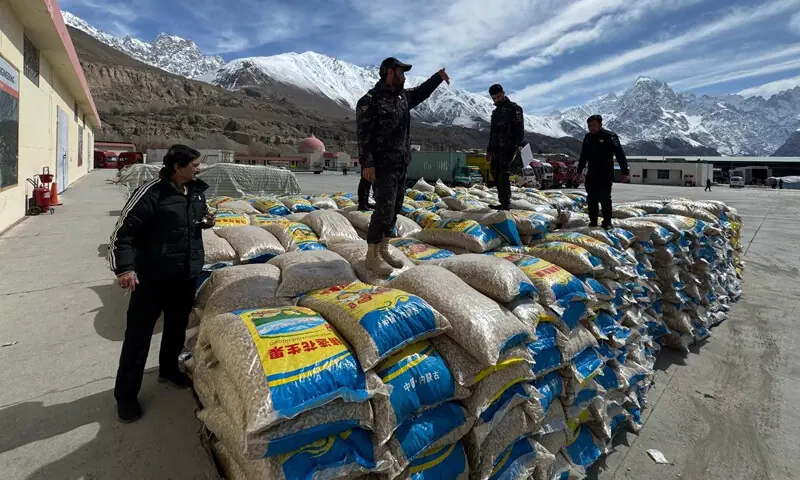
Pakistan potato exports are facing one of their toughest tests in recent years after the sudden closure of the Afghanistan border one of the country’s most critical export routes for fresh potatoes. What initially appeared to be a temporary disruption has quickly turned into a domestic price shock, leaving farmers, traders, and exporters grappling with falling prices and excess supply. Read More: https://theboardroompk.com/japan-tire-industry-outlook-enters-a-cautious-phase/ With Afghanistan historically absorbing a significant share of Pakistan’s potato shipments, the closure triggered an immediate surplus in local markets. As demand dropped overnight, farmgate prices fell sharply, threatening growers’ incomes just as the harvest season peaked. Sensing the urgency of the situation, the Ministry of National Food Security and Research (MNFSR) stepped in with a multi-pronged strategy aimed at damage control and long-term reform. How the Afghanistan Border Closure Hit Pakistan Potato Exports For years, Afghanistan served as a reliable and nearby destination for Pakistani potatoes, offering low transportation costs and steady demand. The border closure disrupted this balance instantly. In simple terms, where potatoes once moved swiftly across borders, they are now flooding domestic markets. This imbalance pushed prices downward, squeezing margins for farmers already facing rising input costs such as fertilizers, fuel, and electricity. The fallout was swift: • Export volumes stalled• Domestic supply surged• Farmers faced losses instead of profits Recognizing that price volatility could undermine confidence across the agricultural sector, the government moved to reassure growers and exporters alike. Government Strategy to Revive Pakistan Potato Exports Under the leadership of Federal Minister for National Food Security and Research Rana Tanveer Hussain, the MNFSR launched coordinated efforts with the Ministry of Foreign Affairs and the Ministry of Commerce to stabilize the market and protect farmers. Instead of relying on a single export route, the government is now actively pursuing market diversification a shift long discussed but rarely executed with urgency. Rather than presenting this as a policy document, officials have turned strategy into action by directly sharing market intelligence with exporters and simplifying procedures. 36 New Markets Identified for Pakistan Potato Exports One of the most significant steps announced is the identification of 36 potential new international markets for Pakistani potatoes. These destinations span multiple regions, offering exporters alternatives to Afghanistan and reducing future dependency on a single corridor. Instead of listing these markets in a rigid table, exporters have been briefed on: • Regions with rising demand for fresh and processed potatoes• Countries with favorable import regulations• Markets where Pakistani produce already meets quality standards This approach allows exporters to quickly assess opportunities and adapt their logistics and pricing strategies accordingly. Relief Measures to Support Farmers and Exporters To provide immediate relief, the ministry also addressed cost concerns faced by exporters. Farmers and traders have been officially informed that the challan fee for obtaining a Phytosanitary Certificate is only Rs. 2,500, easing misconceptions about higher compliance costs. This move is aimed at encouraging exporters especially small and medium players to continue shipments despite market uncertainty. Meanwhile, the Ministry of Commerce has been tasked with identifying foreign importers and fast-tracking export facilitation, ensuring that administrative bottlenecks do not worsen the crisis. Why This Moment Matters for Pakistan Potato Exports While the current disruption poses challenges, it also presents an opportunity to rethink how Pakistan potato exports are structured. Over-reliance on a single market has long exposed farmers to sudden shocks. Diversification, if executed properly, could bring long-term stability. The government’s renewed focus on inter-ministerial coordination, exporter support, and market expansion signals a shift from reactive policy to proactive planning. As global food supply chains continue to evolve, Pakistan’s ability to adapt could determine whether its agricultural exports merely survive or thrive. Looking Ahead: Stability Through Diversification Federal Minister Rana Tanveer Hussain has reaffirmed the government’s commitment to: • Protecting farmers’ incomes• Expanding agricultural exports• Ensuring long-term market stability•If these measures translate into sustained action, Pakistan potato exports may emerge stronger, more diversified, and less vulnerable to sudden geopolitical disruptions. For farmers and exporters alike, the message is clear: the road ahead may be uncertain, but the push to secure new markets has already begun.

Gold per Tola Gains Rs14,800 in Pakistan, Reaches Rs529,162 Amid Global Rally
Pakistan

Gold per Tola Gains Rs14,800 in Pakistan, Reaches Rs529,162 Amid Global Rally

Karachi, February 4, 2026 – Gold prices in Pakistan continued their sharp upward momentum on Wednesday, rising by Rs14,800 per tola to settle at Rs529,162 for 24-carat gold, according to rates released by the All-Pakistan Gems and Jewellers Sarafa Association (APGJSA). Read More: https://theboardroompk.com/gold-price-in-pakistan-soars-past-rs514000-whats-driving-this-historic-surge/ The increase mirrors a strong gain in the international bullion market, where gold jumped by $148 per ounce to reach $5,064 (with a premium of $20). This follows a significant rebound the previous day (Tuesday), when domestic prices had already climbed by Rs24,000 per tola to Rs514,362 after snapping a brief losing streak. For other units: 10 grams of gold increased by Rs12,689, now priced at Rs453,671. Silver per tola also rose by Rs109 to Rs9,255. The surge reflects ongoing global bullish sentiment in precious metals, driven by factors such as geopolitical tensions, inflation hedging, and currency movements. Local jewelers and traders note that the rupee’s performance against the dollar also influences domestic pricing, though the primary driver remains the international spot price. This marks a notable recovery and continued volatility in Pakistan’s gold market in early 2026, with prices crossing the Rs500,000 per tola threshold again after recent fluctuations. For real-time updates, check official sources like the APGJSA or platforms such as Business Recorder, ARY News, or ProPakistani.

PIA Offers 10% Discount on Paris-to-Pakistan Flights – Book by Feb 10!
Pakistan

PIA Offers 10% Discount on Paris-to-Pakistan Flights – Book by Feb 10!

Karachi, February 4, 2026 – Pakistan International Airlines (PIA) has launched an attractive 10% fare discount for passengers traveling from Paris to various cities in Pakistan, aiming to make journeys more affordable, especially for overseas Pakistanis. Read More: https://theboardroompk.com/walmart-1-trillion-market-cap-a-retail-milestone-thats-changing-wall-street/ The special promotion is designed to facilitate easier and more economical travel for the Pakistani diaspora and other passengers departing from the French capital. Bookings for the discounted fares can be made immediately until February 10, 2026. The discount applies to travel during two key periods in 2026: From February 1 to March 10, 2026From May 1 to May 15, 2026 Passengers can take advantage of this offer by booking through PIA’s official channels, including its website, mobile app, authorized booking offices, or trusted travel agents. A PIA spokesperson highlighted the airline’s ongoing commitment to passenger comfort, stating: “PIA is always striving to provide the best travel facilities with its traditional hospitality.” This limited-time offer comes as PIA continues efforts to enhance connectivity and value for travelers on its European routes.For the latest details, fares, and availability, passengers are advised to visit the official PIA website (www.piac.com.pk) or contact their nearest booking office.

Pakistan Greenlights Modern Procurement Policy for Export-Import Bank
Pakistan

Pakistan Greenlights Modern Procurement Policy for Export-Import Bank

The Cabinet Committee on State-Owned Enterprises (CCoSOEs) has given its approval to the Procurement Policy 2025 for the Export-Import Bank of Pakistan (EXIM Bank). This decision came during a meeting chaired by Federal Minister for Finance and Revenue, Muhammad Aurangzeb. Read More: https://theboardroompk.com/nvidia-reconsiders-100b-openai-bet-as-talks-shift-to-smaller-stake/ The policy focuses on making procurement processes more efficient for the state-owned bank, which plays a key role in financing exports and imports. Streamlining Operations and Compliance Standards The approved Procurement Policy aligns fully with the State-Owned Enterprises Act, 2023. It incorporates best practices from the Chartered Institute of Procurement and Supply (CIPS) global standards. Additionally, the policy ensures adherence to regulations set by the Public Procurement Regulatory Authority (PPRA). These measures aim to strengthen internal controls and transparency in how the EXIM Bank handles its spending and acquisitions. Experts view this as a positive step toward modernizing the bank’s administrative framework. It supports smoother operations in trade financing activities. Boost to Export-Import Financing Efficiency By streamlining procurement, the policy is expected to reduce delays and improve overall governance at EXIM Bank. This could indirectly benefit exporters and importers who rely on the bank’s services for credit and guarantees. The move comes amid ongoing efforts to enhance Pakistan’s trade sector. The bank, as a dedicated institution for export promotion, stands to gain from more professional and compliant procedures. The CCoSOEs also handled other agenda items, including board appointments in related state entities, but the EXIM policy approval stands out as a targeted reform for trade support. The Cabinet Committee on State-Owned Enterprises (CCoSOEs) has given its approval to the Procurement Policy 2025 for the Export-Import Bank of Pakistan (EXIM Bank). This decision came during a meeting chaired by Federal Minister for Finance and Revenue, Muhammad Aurangzeb. The policy focuses on making procurement processes more efficient for the state-owned bank, which plays a key role in financing exports and imports. Streamlining Operations and Compliance Standards The approved Procurement Policy aligns fully with the State-Owned Enterprises Act, 2023. It incorporates best practices from the Chartered Institute of Procurement and Supply (CIPS) global standards. Additionally, the policy ensures adherence to regulations set by the Public Procurement Regulatory Authority (PPRA). These measures aim to strengthen internal controls and transparency in how the EXIM Bank handles its spending and acquisitions. Experts view this as a positive step toward modernizing the bank’s administrative framework. It supports smoother operations in trade financing activities. Boost to Export-Import Financing Efficiency By streamlining procurement, the policy is expected to reduce delays and improve overall governance at EXIM Bank. This could indirectly benefit exporters and importers who rely on the bank’s services for credit and guarantees. The move comes amid ongoing efforts to enhance Pakistan’s trade sector. The bank, as a dedicated institution for export promotion, stands to gain from more professional and compliant procedures. The CCoSOEs also handled other agenda items, including board appointments in related state entities, but the EXIM policy approval stands out as a targeted reform for trade support.-

Pakistan Boycotts India T20 World Cup Clash Amid Security Tensions
Pakistan

Pakistan Boycotts India T20 World Cup Clash Amid Security Tensions

Pakistan’s government has approved its cricket team’s participation in the ICC Men’s T20 World Cup 2026, starting February 7, but barred them from facing arch-rivals India in their group match scheduled for February 15 in Colombo, Sri Lanka. The decision, announced February 2, 2026, deepens the long-standing freeze in bilateral cricket ties between the two nations. Read More: https://theboardroompk.com/kse-100-index-surges-past-186900-as-bulls-tighten-grip-on-pakistan-stock-market/ Boycott Linked to Security Tensions The move follows recent militant attacks in Pakistan’s Balochistan province, which killed nearly 50 people, with officials attributing them to “Indian proxy terrorists.” Prime Minister Shehbaz Sharif’s spokesperson, Mosharraf Zaidi, stated: “Nothing is more important than the memory of Pakistani citizens and troops murdered… With funerals taking place today, this was the least that could be done.” India’s foreign ministry dismissed the claims as “baseless” and accused Pakistan of deflecting from domestic issues. Pakistan will forfeit two points for skipping the match, impacting their tournament standing. The ICC criticized the selective participation, noting it is “not in the interest of the global game or the welfare of fans worldwide, including millions in Pakistan.” No immediate response came from the BCCI or Indian government beyond the ICC’s statement. Fan Division and Political Overtones In Pakistan, many fans welcomed the boycott as a stand for national pride and against perceived Indian dominance in cricket. Karachi resident Mohammad Asghar said: “This arrogance of India should be broken a little.” Others, like Ayaz Ahmed, drew parallels to Bangladesh’s earlier withdrawal over safety concerns. Social media showed split opinions, with some praising “self-respect” and others warning of isolation. Former captain Shahid Afridi posted: “Cricket can open doors when politics closes them. It’s regrettable… but this is the moment for the ICC to prove it is impartial.” Ex-PCB chairman Najam Sethi called it a challenge to India’s “duplicitous approach,” hinting at alliances with Bangladesh. The rivalry, with no full bilateral series since 2012–13, continues to be overshadowed by geopolitics, affecting ICC revenue from high-viewership India-Pakistan clashes.

KSE-100 Index Surges Past 186,900 as Bulls Tighten Grip on Pakistan Stock Market
Pakistan

KSE-100 Index Surges Past 186,900 as Bulls Tighten Grip on Pakistan Stock Market

The KSE-100 Index delivered another powerful statement on Tuesday, closing at 186,900.73 points, marking a robust gain of 1,842.90 points (1.00%). The benchmark index remained firmly in positive territory throughout the session, signaling growing investor confidence and sustained buying interest across key sectors of Pakistan’s equity market. The index touched an intraday high of 187,518.78 points, reflecting aggressive buying at peak hours, while the day’s low of 185,545.92 points still stayed well above the previous close—an encouraging sign that market sentiment remains decisively bullish. KSE-100 Index Momentum Driven by Heavy Market Participation Trading activity remained vibrant as 390.19 million shares changed hands within KSE-100 constituents. Market breadth painted a bullish picture: 72 companies closed higher, 25 ended lower, while 3 stocks remained unchanged. This wide-based participation suggests that the rally was not confined to a single sector but reflected broader market optimism. Top Gainers and Losers Shape the KSE-100 Index Narrative Among the day’s standout performers, International Leather Products (ILP) surged by 10%, followed by CPHL, TRG, BNWM, and Bank of Punjab (BOP), each posting strong gains and attracting speculative and institutional interest alike. On the flip side, select stocks faced profit-taking pressure. JVDC, SAZEW, SNGP, PABC, and PSX Limited ended the session in the red, though losses remained relatively contained—highlighting the market’s underlying resilience. Index Point Contribution: Who Lifted and Who Weighed on the KSE-100 Index The upward thrust in the KSE-100 Index was largely powered by heavyweight stocks. Fauji Fertilizer Company (FFC) emerged as the biggest contributor, adding nearly 274 points, while United Bank Limited (UBL), Engro Holdings, Meezan Bank, and Systems Limited collectively reinforced the index’s upward trajectory. Meanwhile, stocks such as EFERT, PPL, and SNGP applied modest downward pressure, but their impact was outweighed by strong buying in index-heavy names. Sector Watch: Banks and Fertilizer Fuel KSE-100 Index Rally Sector-wise performance clearly favored cyclical and growth-oriented segments. Commercial Banks dominated the session, contributing over 814 points, reflecting expectations of stable margins and improving earnings outlooks. The Fertilizer sector followed, supported by renewed interest in defensive plays. Technology and Communication stocks continued their upward march, while Pharmaceuticals and Investment Companies added further depth to the rally. In contrast, Oil & Gas Exploration, Property, and Tobacco sectors experienced mild declines, largely due to selective profit booking. Broader Market Echoes KSE-100 Index Strength The bullish momentum extended beyond the benchmark index. The All-Share Index closed at 112,154.61 points, gaining 955.62 points (0.86%). Total market volume surged to 848.56 million shares, up sharply from the previous session, while traded value jumped to Rs50.03 billion, indicating stronger capital inflows. Trading activity remained widespread, with over 411,000 trades recorded across 485 companies. A clear majority of stocks advanced, reinforcing the market’s positive undertone. High-Volume Stocks Signal Retail and Institutional Interest Stocks such as K-Electric, Fauji Fertilizer Energy, and Bank of Punjab dominated trading volumes, reflecting strong retail participation. Energy, banking, and power-sector names remained at the center of investor focus, suggesting expectations of short-term momentum and medium-term structural growth. KSE-100 Index: A Year of Remarkable Gains The numbers tell a compelling story. The KSE-100 Index has gained an extraordinary 61,273 points (48.77%) during the ongoing fiscal year, while posting a 7.38% rise so far in the calendar year. These gains underscore Pakistan’s equity market resurgence amid improving macroeconomic indicators and renewed investor confidence. Final Takeaway With liquidity improving, sector rotation favoring banks and technology, and volumes steadily rising, the KSE-100 Index appears well-positioned to test new highs. While short-term corrections remain possible, the broader trend suggests that bulls continue to dominate the trading floor.

Index of Transparency & Accountability iTAP Pakistan Signals a Turning Point for Governance
Pakistan

Index of Transparency & Accountability iTAP Pakistan Signals a Turning Point for Governance

Index of Transparency and Accountability iTAP Pakistan has officially entered the national policy and business conversation, marking a milestone moment in how governance, accountability, and public trust are measured in the country. Launched by the Federation of Pakistan Chambers of Commerce and Industry (FPCCI) in collaboration with global research firm Ipsos, iTAP is Pakistan’s first fully indigenous, data-driven index designed to assess transparency and accountability across public institutions. The formal launch took place at FPCCI Capital House in Islamabad, drawing participation from government leadership, business stakeholders, civil society, academia, and the media underscoring the national relevance of the initiative. Why the Index of Transparency and Accountability iTAP Pakistan Matters For decades, conversations around transparency in Pakistan have largely been perception-driven, anecdotal, or based on external benchmarks. The Index of Transparency and Accountability iTAP Pakistan changes that narrative by introducing a locally developed, recurring, and evidence-based tool that reflects the lived experiences of citizens. Conceived in May 2025, iTAP aims to serve as a long-term national benchmark, allowing policymakers, investors, and institutions to track governance performance over time. The inaugural field survey, conducted between December 2025 and January 2026, provides a nationally representative snapshot of public trust and institutional interaction. What makes iTAP distinctive is its grounding in Pakistani realities measuring not just opinions, but actual citizen experiences with public services. Launch Ceremony Highlights: Policy Meets Data The launch ceremony was led by Federal Minister for Planning, Development and Special Initiatives, Mr. Ahsan Iqbal, who attended as Chief Guest. FPCCI President Mr. Atif Ikram Sheikh and Mr. Mian Zahid Hussain, SI, Chairman of the FPCCI Policy Advisory Board, also addressed the audience, emphasizing the strategic relevance of iTAP for economic reform and investment confidence. The presence of senior policymakers alongside business and research leaders highlighted a shared understanding: transparency and accountability are no longer abstract ideals, but measurable economic enablers. Key Findings from the Index of Transparency and Accountability iTAP Pakistan One of the most striking insights from the iTAP findings is the gap between public perception and lived experience. While perceptions of corruption remain high, the data reveals that a majority of citizens report their direct interactions with public institutions as corruption-free. This contrast is critical. It suggests that Pakistan’s governance challenge may not only lie in service delivery, but also in communication, awareness, and trust-building. In practical terms, the index establishes a credible baseline showing: • Many public institutions are performing better than widely believed• Negative narratives, if left unaddressed, can distort economic and governance realities• Transparency improvements must be paired with effective public communication Investor Confidence and Economic Significance From a business and investment perspective, the Index of Transparency and Accountability iTAP Pakistan carries far-reaching implications. Transparency and accountability are foundational to: • A predictable business environment• Lower transaction costs• Stronger investor confidence• Sustainable economic growth By offering measurable governance indicators, iTAP can help investors differentiate between perception-driven risk and data-backed realities potentially improving Pakistan’s investment outlook at a critical economic juncture. Government Perspective: Measuring to Improve In his address, the Federal Minister congratulated FPCCI for placing transparency and accountability at the center of national discourse with seriousness and rigor. He emphasized that good governance begins with measurement, reinforcing the principle that “what gets measured gets improved.” The Minister also cautioned that persistent negative perceptions, if not addressed through evidence and reform, can undermine national progress. Bridging the perception–reality gap, he stressed, must become a shared responsibility across government, business, and civil society. The Future of Index of Transparency and Accountability iTAP Pakistan Looking ahead, the true power of the Index of Transparency and Accountability iTAP Pakistan lies in its continuity. If tracked consistently over time, iTAP can evolve into: • A national monitoring tool for governance reforms• A reference point for policy evaluation• A confidence-building mechanism for citizens and investors alike By institutionalizing transparency measurement, Pakistan takes a decisive step toward strengthening trust, improving accountability, and aligning governance with economic ambition.

Pakistan Cement Despatches Signal Strong Start to 2026
Pakistan

Pakistan Cement Despatches Signal Strong Start to 2026

Pakistan cement despatches opened 2026 on a powerful note, surprising many industry watchers with a double-digit surge that signals renewed momentum across both domestic and export markets. According to the latest figures released by the All Pakistan Cement Manufacturers Association (APCMA), total cement despatches climbed 12.54% year-on-year in January 2026, reaching 4.538 million tons, compared to 4.032 million tons in the same month last year. Read More: https://theboardroompk.com/uae-2-billion-loan-to-pakistan-a-temporary-breathing-space/ At a time when construction-linked sectors are closely watched as economic barometers, these numbers hint at deeper shifts underway in Pakistan’s infrastructure, housing, and export dynamics. Pakistan Cement Despatches Driven by Domestic Stability and Export Boom A closer look at Pakistan cement despatches reveals a tale of two markets steady domestic growth paired with an explosive rise in exports. Local cement despatches reached 3.601 million tons, marking a 4.36% increase from January 2025. While not dramatic, this growth reflects consistent activity in housing projects, private construction, and ongoing development work despite cost pressures and tighter financial conditions. The real headline-grabber, however, came from exports. Cement exports surged by a staggering 61.1%, jumping from 581,691 tons last year to 937,097 tons in January 2026. This sharp rise highlights Pakistan’s growing competitiveness in regional cement markets, supported by favorable pricing, logistics advantages, and strong demand from overseas buyers. North vs South: How Pakistan Cement Despatches Differ by Region Northern Mills: Domestic Strength Holds Firm Northern-based cement mills dispatched 2.95 million tons in January 2026, posting a 4.67% increase compared to the same month last year. This growth was entirely driven by domestic demand, where shipments rose 6.93% to 2.95 million tons. Interestingly, no cement exports were recorded from northern mills during the month, underscoring their continued reliance on Pakistan’s internal construction market. Southern Mills: Export Powerhouse of Pakistan Cement Despatches Southern-based mills told a very different story. Total despatches from the south jumped 30.82%, reaching 1.59 million tons, up from 1.214 million tons a year earlier. While domestic despatches from the south dipped slightly by 5.87%, exports more than compensated. Southern mills exported 937,097 tons, reflecting a massive 79.41% year-on-year increase. This firmly positions the south as the export engine behind Pakistan cement despatches, benefiting from proximity to ports and international shipping routes. Pakistan Cement Despatches Show Sustained Growth in FY2026 The January performance builds on a broader upward trend seen during the first seven months of the current fiscal year. From July to January, total Pakistan cement despatches reached 30.583 million tons, up 10.58% from 27.656 million tons in the same period last year. Domestic shipments rose a healthy 12.36% to 25.015 million tons, reflecting ongoing construction demand across the country. Exports during this period grew more modestly by 3.26%, reaching 5.568 million tons, but remain a crucial pillar of overall industry volumes. Northern mills dominated domestic supply with 20.895 million tons, while their exports declined by 23.13%, bringing total despatches to 21.704 million tons. Southern mills, meanwhile, reported combined domestic and export shipments of 8.879 million tons, up nearly 8%, powered largely by export growth. What Pakistan Cement Despatches Reveal About the Economy The latest Pakistan cement despatches data paints a cautiously optimistic picture. Rising domestic volumes suggest resilience in construction activity, while booming exports point to Pakistan’s cement sector gaining traction internationally. For investors, policymakers, and industry players alike, these numbers signal that cement often seen as the backbone of economic development may be gearing up for a stronger year ahead, provided macroeconomic stability and infrastructure spending remain on track. As 2026 unfolds, all eyes will be on whether this momentum can be sustained or even accelerated.

Oil Prices Extended Losses Amid US-Iran Talks and Stronger Dollar Pressure
Pakistan

Oil Prices Extended Losses Amid US-Iran Talks and Stronger Dollar Pressure

Oil prices extended losses on Tuesday, marking a second consecutive day of declines, as investors assessed signs of easing tensions between the US and Iran alongside a strengthening US dollar that curbed demand for crude. Read More: https://theboardroompk.com/gold-price-forecast-2026-why-jpmorgan-is-betting-big-on-golds-next-historic-rally/ Geopolitical De-escalation and Market Sentiment Brent crude futures dropped 39 cents, or 0.5%, to $65.91 per barrel by 0330 GMT. West Texas Intermediate crude fell 31 cents, or 0.5%, to $61.83 per barrel. This follows a more than 4% plunge on Monday after US President Donald Trump indicated Iran was engaging in serious talks with Washington. Nuclear negotiations between Iran and the US are set to resume in Turkey on Friday, with Trump cautioning about potential risks if no agreement is reached, including the presence of US warships near Iran. Analysts at Phillip Nova noted that recent price swings appear driven by sentiment rather than fundamental changes. Senior market analyst Priyanka Sachdeva highlighted that after last week’s rally, markets relinquished gains amid volatile risk assets. No new geopolitical escalations and mixed macro data contributed to oil’s inability to sustain upward momentum. Economic Factors and Trade Developments The US dollar index lingered near a one-week high, pressuring oil prices downward. A firmer dollar reduces affordability of dollar-priced crude for international buyers. ING analysts pointed to the dollar’s recovery, spurred by Trump’s nomination of Kevin Warsh as the next Federal Reserve chair. Additionally, a new US-India trade deal was unveiled, reducing US tariffs on Indian goods from 50% to 18%. In return, India commits to ceasing Russian oil imports and easing trade barriers. Trump announced via social media that India will purchase oil from the US and potentially Venezuela. ING warned this could increase Russian oil supplies adrift at sea. Sachdeva forecasts choppy, range-bound prices in February, highly responsive to headlines and macro signals, with downside risks. Some experts anticipate continued volatility this month. The deal stems from a call between Trump and Indian Prime Minister Narendra Modi. Overall, these factors underscore the interplay of diplomacy, currency strength, and trade in influencing global oil markets. Despite no major supply disruptions, sentiment remains cautious. Traders eye upcoming talks for further direction. This downturn reverses partial recoveries from earlier tensions. Market participants monitor Federal Reserve implications closely.

APTMA URGES FBR TO ADJUST SUPER TAX LIABILITY AGAINST PENDING TAX REFUNDS
Pakistan

APTMA URGES FBR TO ADJUST SUPER TAX LIABILITY AGAINST PENDING TAX REFUNDS

KARACHI The All Pakistan Textile Mills Association (APTMA) has urged the FBR to adjust the Super Tax liability following the recent decision of the Federal Constitutional Court against outstanding Sales Tax, Income Tax and other refunds pending for payment by the Government to manufacturers and exporters for years. Read More: https://theboardroompk.com/frontier-or-developing-countries-consumers-are-value-seekers-not-bargain-hunters-dr-zeelaf-munir-at-gulfood-2026/ In a press statement, Chairman APTMA Mr. Kamran Arshad said that the industry, especially the export-oriented textile industry which is facing serious liquidity issues since the last several months due to a slowdown in export orders and an overall poor business environment, are not in a position to make massive tax payments in one go. He further said that the payment of super tax in one tranche would not only disturb the day-to-day business activities of the ailing textile industry but would also lead to overall deterioration of the national economy. Kamran Arshad said that demanding payment of Super Tax in a single tranche is neither practical nor workable as the industry is grappling with an acute liquidity crunch due the high cost of doing business, including high energy prices, double-digit interest rates, excessive taxation, and large-scale import of raw material and intermediate inputs displacing domestic upstream segments. He further said that the immediate demand of payment of Super Tax in hundreds of billions of rupees would not only drain working capital but would also upset cash flows and make it difficult for most business to meet day to day business obligations including payment of salaries, utility bills and other financial commitments. Kamran Arshad urged the FBR, in the best interest of the economy and industry, to adjust Super Tax liabilities against long-pending income tax, sales tax and other refund claims like TUF and DLTL, and the remaining liability should be converted into easy business-friendly instalments, so that the taxpayers may meet their super tax liabilities in a reasonable period without negatively impacting their business operations. Kamran Arshad highlighted that computation of Super Tax under Section 4C in respect of exporters is required to be based on imputable income as they remained subject to the Final Tax Regime (FTR) up to Tax Year 2024. Imputable income for the purpose of Section 4C for exporters should be worked out by reverse calculation of income corresponding to the tax already paid under FTR, so as to arrive at an equivalent tax liability under the Normal Tax Regime. In view of the widespread implications for the export-oriented textile sector, FBR needs to sit with APTMA and other stakeholders to work out details about imputable income for generic clarification on the application of Super Tax under Section 4C in order to save exporters from different interpretations on imputable income. Kamran Arshad emphasized that recovery should be suspended immediately till these concerns are resolved. Kamran Arshad reiterated that if the FBR does not provide relief to the industry in paying the Super Tax liability in a workable manner, it will undoubtedly lead to large-scale closure of businesses, including SMEs and export-oriented textile mills which are the source much needed foreign exchange for the country. This would also have a further negative impact on the economy by shrinking the tax base instead of expanding it, and lead to unemployment of hundreds of thousands of workers.

Scroll to Top