Pakistan

Oil Hits $100 Again: Iran's Gulf Attacks Fuel Global Energy Crisis
Pakistan

Oil Hits $100 Again: Iran’s Gulf Attacks Fuel Global Energy Crisis

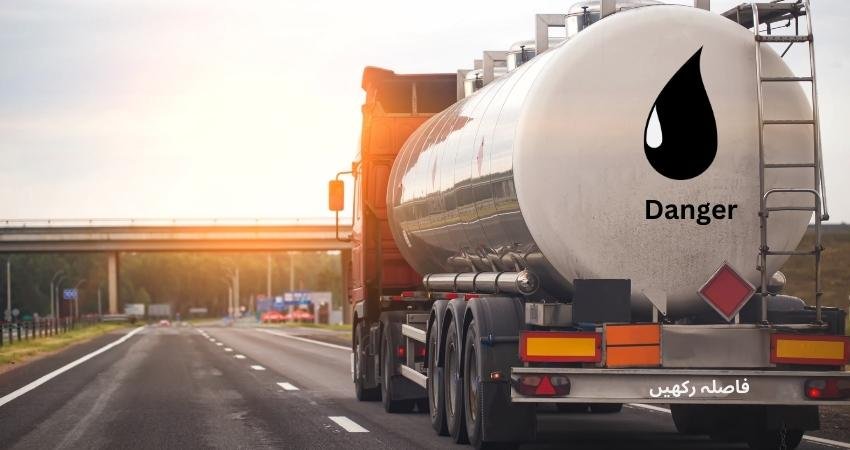
Oil markets are in turmoil as Brent crude reclaimed the $100 mark on renewed fears over Middle East stability. Read More: https://theboardroompk.com/hbl-psl-xi-infinity-trophy-unveiled-a-symbol-of-pakistan-crickets-growing-legacy/ The surge comes despite efforts to flood the market with reserves. Iran’s Aggressive Campaign Targets Energy Lifelines Iran has ramped up assaults on tankers and facilities to pressure opponents in the ongoing conflict. Reports detail Iranian-origin explosive boats igniting two Iraqi-bound fuel oil tankers. Further incidents involved projectiles striking cargo ships near Iraq and the UAE coasts. Attacks extended to Saudi oil fields via drones and disruptions at Basra port. Iran’s military command issued stark warnings of oil reaching $200 per barrel due to destabilized regional security. These moves have virtually choked traffic through the critical Strait of Hormuz. The conflict, pitting US-Israel against Iran, shows no immediate end. Earlier this week, Brent briefly hit $119.50 before easing on optimistic remarks from US leadership. Global Response and Price Volatility In response to the chaos, the IEA approved releasing 400 million barrels from emergency stocks. The US leads with 172 million barrels from its Strategic Petroleum Reserve. Analysts caution this may only provide short-term cushioning. ING experts stressed that without Hormuz reopening, prices could climb further. Supply worries dominate, with potential halts in regional production adding pressure.WTI crude also rose sharply to around $94 in tandem with Brent’s jump. Investors brace for prolonged high prices impacting economies everywhere. The situation underscores the vulnerability of global energy routes. Continued escalation threatens sustained inflation and supply chain issues.

HBL PSL XI Infinity Trophy Unveiled: A Symbol of Pakistan Cricket’s Growing Legacy
Pakistan

HBL PSL XI Infinity Trophy Unveiled: A Symbol of Pakistan Cricket’s Growing Legacy

The HBL PSL XI Infinity Trophy has officially been unveiled, marking a spectacular start to preparations for the upcoming Pakistan Super League 2026 season. The Pakistan Cricket Board revealed the glittering silverware at the iconic National Bank Stadium, instantly capturing the attention of cricket fans across the country. Read More: https://theboardroompk.com/pakistan-imf-review-a-crucial-moment-for-the-countrys-economic-recovery/ With its elegant structure and symbolic design, the trophy represents not just victory, but the growing legacy of Pakistan’s premier T20 league. The league shared the first glimpse of the HBL PSL XI Infinity Trophy through a captivating video on social media, giving fans an inside look at the intricate craftsmanship behind the prestigious award that will crown the champions of the 11th edition of the Pakistan Super League. As excitement builds ahead of the new season, the unveiling of the trophy has added another layer of anticipation to one of Pakistan’s biggest sporting spectacles. The Design Philosophy Behind the HBL PSL XI Infinity Trophy The HBL PSL XI Infinity Trophy features a sleek and modern design that blends elegance with national symbolism. Rising tall from a circular base, the trophy’s golden structure immediately draws attention. The central column is decorated with carefully placed sparkling crystals arranged vertically, creating a brilliant shine when illuminated under stadium lights. The visual effect reflects both prestige and grandeur qualities synonymous with championship glory. Two curved golden arms extend upward from either side of the trophy’s body. These arms converge near the top, forming the trophy’s signature silhouette that symbolizes unity, competition, and the relentless pursuit of excellence in cricket. At the very top sits one of the most recognizable symbols of Pakistan a crescent and star. The crescent, embedded with shimmering crystals, surrounds a polished metallic star that crowns the design. This national emblem reflects the pride of Pakistan’s cricketing culture and the spirit of the league itself. The trophy is mounted on a gold-plated base resting on a black cylindrical pedestal featuring official HBL PSL XI branding, giving it a commanding presence worthy of the league’s champions. The Craftsmanship Behind the HBL PSL XI Infinity Trophy Beyond its aesthetic appeal, the HBL PSL XI Infinity Trophy tells a story of remarkable craftsmanship. According to the league, a team of 18 skilled artisans worked tirelessly on the project. Over the course of 2,600 hours, these craftsmen carefully designed, assembled, and polished every detail to ensure the trophy reflected the prestige of Pakistan’s flagship cricket league. From embedding crystals to shaping the curved golden arms, the process required precision and artistic excellence. The result is a trophy that not only celebrates sporting success but also showcases the craftsmanship and creativity behind the scenes. HBL PSL XI Season Set to Be One of the Biggest Yet The unveiling of the HBL PSL XI Infinity Trophy comes as preparations accelerate for what is expected to be one of the most exciting seasons in the tournament’s history. The Pakistan Super League 2026 will feature 44 matches played between March 26 and May 3, making it one of the most extensive PSL seasons to date. The expanded schedule highlights the league’s continued growth and increasing popularity both locally and internationally. The tournament will open with defending champions Lahore Qalandars facing the newly introduced Hyderabad Kingsmen in what promises to be a thrilling curtain-raiser. With passionate fan bases, world-class players, and electrifying stadium atmospheres, PSL XI is expected to deliver weeks of high-intensity cricket. A New Symbol for a Growing Cricket League Since its inception, the Pakistan Super League has evolved into one of the most watched T20 leagues in the world. Each season has introduced new milestones from record viewership to the emergence of international stars. The HBL PSL XI Infinity Trophy now becomes the latest symbol of that growth. Beyond its physical beauty, it represents the dreams of players, franchises, and millions of cricket fans who eagerly follow every moment of the tournament. As teams prepare to compete for cricketing glory in 2026, one thing is certain: lifting the HBL PSL XI Infinity Trophy will be the ultimate reward in Pakistan’s most celebrated cricket league.

https://theboardroompk.com/pakistan-imf-review-a-crucial-moment-for-the-countrys-economic-recovery/
Pakistan

Karachi Gateway Terminal New Feeder Service Connects Pakistan to UAE’s Major Shipping Hubs

The Karachi Gateway Terminal Feeder Service has officially begun operations, creating a dedicated maritime link between Pakistan and key UAE shipping hubs. The launch represents an important step toward strengthening Pakistan’s access to global shipping routes and ensuring more reliable logistics for the country’s importers and exporters. Read More: https://theboardroompk.com/pakistan-imf-review-a-crucial-moment-for-the-countrys-economic-recovery/ The service connects Karachi Gateway Terminal in Karachi with two strategic transshipment ports in the United Arab Emirates—Port of Fujairah and Port of Khor Fakkan. Operated under the international ports arm of AD Ports Group, Noatum Ports, the terminal welcomed the inaugural vessel on the evening of March 11, 2026, marking the start of regular feeder operations. For Pakistan’s trading community, the development signals improved shipping reliability and enhanced access to international container networks. Why the Karachi Gateway Terminal Feeder Service Matters Pakistan’s economy depends heavily on maritime trade, with the majority of imports and exports moving through its ports. The Karachi Gateway Terminal Feeder Service provides an additional logistics channel that helps maintain uninterrupted supply chains during periods of shifting regional shipping patterns. By connecting Karachi directly to major UAE transshipment hubs, the service provides several key benefits: • Improved shipping reliability for exporters and importers• Faster access to global container routes via established transshipment hubs• Greater flexibility in cargo routing during shipping disruptions• Stronger trade connectivity between Pakistan and the UAE Cargo arriving at Fujairah and Khor Fakkan can quickly move through the UAE’s advanced logistics ecosystem. From these ports, containers can be transferred through integrated road and rail corridors linking major commercial centers across the region. This means Pakistani goods from textiles to industrial products can reach global markets more efficiently. Karachi Gateway Terminal Feeder Service Strengthens Regional Logistics The launch of the Karachi Gateway Terminal Feeder Service also reinforces the strategic importance of Karachi as a maritime gateway. According to Khurram Aziz Khan, CEO of Karachi Gateway Terminal, the initiative reflects a broader commitment to improving Pakistan’s shipping connectivity. He emphasized that linking Karachi directly with major UAE transshipment hubs provides local businesses with dependable access to international shipping networks while strengthening the role of the terminal in global trade flows. Meanwhile, Shahid Ahmed, Chairman of Karachi Port Trust, highlighted that the service enhances Karachi Port’s connections with regional hubs and supports Pakistan’s expanding trade needs. He noted that stronger maritime links with the UAE will help streamline cargo movement while offering the trading community more operational flexibility. A Strategic Boost for Pakistan–UAE Trade Trade between Pakistan and the UAE has long been supported by strong economic and logistics ties. The new Karachi Gateway Terminal Feeder Service deepens that relationship by improving maritime connectivity between the two countries. For businesses involved in global commerce, this new shipping link delivers several strategic advantages: • Reliable feeder connectivity to major transshipment ports• Seamless integration with international shipping lines• Faster turnaround times for containerized cargo• Stronger supply chain resilience for Pakistan’s export sectors As regional shipping patterns evolve and global trade routes continue to adapt, services like this ensure that Pakistan remains connected to the world’s busiest maritime networks. The Bigger Picture for Pakistan’s Maritime Future The launch of the Karachi Gateway Terminal Feeder Service signals a broader push to modernize Pakistan’s port infrastructure and strengthen its role in regional logistics. With increasing cargo volumes and expanding international trade partnerships, initiatives that improve port connectivity are essential for sustaining economic growth. For exporters looking to reach new markets and importers seeking dependable supply routes this new feeder service could become a critical lifeline connecting Pakistan to the global economy.

SBP CIF Import Relaxation: State Bank Temporary Allows CIF Oil Imports for 60 Days
Pakistan

SBP CIF Import Relaxation: State Bank Temporary Allows CIF Oil Imports for 60 Days

SBP CIF Import Relaxation has emerged as a crucial temporary policy move aimed at stabilizing Pakistan’s energy supply chain during a period of global uncertainty. The State Bank of Pakistan (SBP) has announced a 60-day relaxation in import regulations, allowing crude oil and petroleum products to be imported on a Cost, Insurance, and Freight (CIF) basis. Read More: https://theboardroompk.com/pakistan-imf-review-a-crucial-moment-for-the-countrys-economic-recovery/ This temporary measure is designed to ensure uninterrupted fuel availability, minimize logistical challenges for importers, and protect Pakistan’s energy sector from disruptions caused by volatile global markets and shipping constraints. Understanding the SBP CIF Import Relaxation The SBP CIF Import Relaxation permits authorized foreign exchange dealers to process oil imports on a CIF basis for a period of 60 days from the issuance of the circular. This represents a temporary deviation from the rules outlined in Pakistan’s Foreign Exchange Manual, which normally specifies the acceptable international commercial terms (Incoterms) for imports. Under typical circumstances, Pakistan encourages imports under terms that distribute responsibilities for shipping, insurance, and risk management in a particular way between buyers and sellers. However, due to the “prevailing situation” and the critical role of petroleum products in the national economy, the central bank has allowed more flexible arrangements. By enabling imports under CIF terms, the government is reducing operational friction for oil importers and ensuring the energy supply chain remains stable. Why CIF Imports Matter for Pakistan’s Energy Security The CIF model fundamentally changes how shipping and insurance responsibilities are handled in international trade. In a Cost, Insurance, and Freight (CIF) agreement: • The seller arranges and pays for shipping costs• The seller provides insurance for the cargo• Responsibility continues until the shipment reaches the destination port For importers, this means fewer logistical complexities and potentially faster procurement processes. For a country like Pakistan, which depends heavily on imported fuel to run its transportation systems, industrial production, and power generation, such flexibility can be extremely valuable during periods of global supply chain stress. How the SBP CIF Import Relaxation Supports Energy Importers The SBP CIF Import Relaxation provides multiple benefits to Pakistan’s oil import ecosystem. Reduced Operational Burden Importers no longer need to independently arrange shipping or insurance coverage. This simplifies procurement procedures and allows companies to focus on securing supply rather than managing complex logistics. Faster Fuel Shipments With sellers responsible for freight arrangements, shipments may be processed more quickly, helping prevent supply delays. Risk Mitigation Shipping disruptions caused by geopolitical tensions, port congestion, or maritime insurance complications can affect delivery schedules. CIF arrangements help shift some of these risks to the seller, offering importers greater certainty. Greater Market Flexibility Energy traders and refiners gain more flexibility when negotiating supply contracts with international suppliers. Pakistan’s Heavy Dependence on Energy Imports Pakistan’s economy remains highly dependent on imported energy resources, particularly crude oil and refined petroleum products. These imports form one of the largest components of the country’s import bill, influencing: • Inflation trends• Industrial output• Power generation costs• Exchange rate pressures Given this reliance, any disruption in fuel shipments could create widespread economic consequences, ranging from transportation shortages to increased electricity generation costs. The SBP CIF Import Relaxation is therefore not just a regulatory adjustment it is a strategic safeguard designed to maintain energy stability during uncertain times. Role of Authorized Dealers Under the SBP Directive The State Bank of Pakistan has directed authorized foreign exchange dealers to implement the policy change carefully. Banks and authorized dealers must: • Inform their importing clients about the temporary relaxation• Process import transactions according to the revised rules• Ensure compliance with all regulatory and documentation requirements This oversight ensures that while flexibility is granted, financial discipline and regulatory transparency remain intact. What Happens After the 60-Day Window? The SBP CIF Import Relaxation is strictly temporary, remaining effective for two months from the issuance of the directive. After the 60-day period expires: • Import rules will revert to the standard guidelines in the Foreign Exchange Manual• Unless the central bank issues new policy guidance or extensions Analysts believe the policy will give authorities enough time to monitor global oil markets, shipping trends, and domestic supply conditions before deciding whether additional measures are needed. Strategic Implications for Pakistan’s Economy While the relaxation is temporary, its implications are significant. The decision signals that policymakers are actively monitoring global energy risks and responding quickly to safeguard domestic supply chains. By allowing CIF imports, the central bank is: • Strengthening energy security• Supporting industrial continuity• Reducing import bottlenecks• Ensuring fuel availability for transportation and power generation In a world where energy markets are increasingly influenced by geopolitical tensions and shipping disruptions, such proactive measures can play a vital role in economic stability. Conclusion The SBP CIF Import Relaxation reflects a pragmatic approach by the **State Bank of Pakistan to protect Pakistan’s fuel supply during uncertain global conditions. By temporarily allowing crude oil and petroleum imports on a CIF basis, the central bank has provided much-needed flexibility to importers while maintaining oversight through authorized financial institutions. As Pakistan navigates complex global energy dynamics, policies like this demonstrate the importance of adaptive economic management and responsive financial regulation in safeguarding national interests.

Pakistan IMF Review: A Crucial Moment for the Country’s Economic Recovery
Pakistan

Pakistan IMF Review: A Crucial Moment for the Country’s Economic Recovery

Pakistan IMF Review discussions have reached a pivotal stage as negotiations between Pakistan and the International Monetary Fund extend beyond their initial schedule. The ongoing talks are part of the country’s economic stabilization program and could determine the next phase of financial support for the country. Read More: https://theboardroompk.com/farid-ahmad-tarar-ccp-chairman-veteran-public-finance-expert-takes-helm-at-competition-commission-of-pakistan/ As global uncertainties mount and geopolitical tensions intensify, the review has taken on added importance for policymakers, investors, and businesses closely watching Pakistan’s economic trajectory. Pakistan IMF Review Extends Beyond Mission Deadline An IMF delegation led by Iva Petrova held detailed discussions with Pakistani authorities in Karachi and Islamabad, alongside several virtual meetings, between February 25 and March 11. While the IMF confirmed that “significant progress” had been made, the review process will continue for a few more days before a final agreement is reached. The talks are part of Pakistan’s 37-month Extended Fund Facility (EFF) program, which acts as the foundation of the country’s macroeconomic stabilization strategy. Alongside this program runs the 28-month Resilience and Sustainability Facility (RSF), designed to strengthen climate resilience and support structural economic reforms. Together, these two frameworks are shaping Pakistan’s fiscal discipline, economic reforms, and climate-resilient development policies. Fiscal Discipline Remains the Core of the Pakistan IMF Review One of the central themes of the Pakistan IMF Review is maintaining fiscal consolidation to ensure sustainable government finances. Both sides are evaluating progress on: • Increasing tax revenues• Controlling government expenditures• Managing rising public debt Pakistan has largely remained aligned with program commitments through February 2026, according to the IMF’s end-of-mission statement. This indicates the country has broadly adhered to the fiscal, monetary, and structural reform targets agreed under the IMF arrangement. For policymakers, maintaining this momentum is essential not only to secure the next IMF funding tranche but also to reassure international investors about Pakistan’s economic stability. Monetary Policy and Inflation Control Another key issue discussed during the Pakistan IMF Review is the role of monetary policy in stabilizing inflation. The State Bank of Pakistan has maintained tight monetary conditions to anchor inflation expectations. The IMF emphasized that these restrictive monetary policies should remain in place until inflation shows sustained signs of returning to the central bank’s target range. For businesses and consumers, inflation control remains one of the most closely watched indicators of economic recovery. Energy Sector Reforms: A Persistent Challenge Pakistan’s power sector once again dominated discussions during the Pakistan IMF Review. For years, inefficiencies in the energy sector have contributed to the country’s growing circular debt, a financial burden that strains government finances and discourages investment. The IMF and Pakistani authorities discussed several reforms aimed at improving the sector’s financial viability, including: • Adjusting electricity tariffs• Strengthening governance within power utilities• Improving cost recovery mechanisms These reforms are seen as essential for restoring investor confidence and reducing the fiscal pressure caused by the energy sector. Climate Resilience Gains Attention Under RSF Beyond short-term stabilization, the Resilience and Sustainability Facility is emerging as a key pillar of Pakistan’s long-term economic strategy. Pakistan has already implemented several reforms under the program aimed at strengthening disaster preparedness, integrating climate risks into fiscal planning, and improving resilience against extreme weather events. Given Pakistan’s vulnerability to floods and climate shocks, these reforms are expected to play a vital role in shaping sustainable economic growth. Global Risks Loom Over the Pakistan IMF Review Despite progress in negotiations, the review has been overshadowed by growing geopolitical uncertainties. The escalating conflict in the Middle East has triggered concerns about rising oil prices and tightening global financial conditions. For Pakistan, an energy-importing economy, volatile fuel prices could significantly impact the country’s macroeconomic stability. Higher oil prices could lead to: • A widening current account deficit• Increased inflationary pressure• Greater fiscal strain through energy subsidies At the same time, tougher global financial conditions could make it more difficult for Pakistan to secure external financing at favorable terms. What Happens Next? The successful completion of the Pakistan IMF Review would unlock the next tranche of IMF funding and send a strong signal of confidence in Pakistan’s reform agenda. While the IMF has indicated that the program remains broadly on track, finalizing the review will depend on how global risks evolve and how they might affect Pakistan’s economic outlook. For businesses, investors, and policymakers alike, the coming days could prove decisive in shaping Pakistan’s economic narrative for the year ahead.

Farid Ahmad Tarar CCP Chairman: Veteran Public Finance Expert Takes Helm at Competition Commission of Pakistan
Pakistan

Farid Ahmad Tarar CCP Chairman: Veteran Public Finance Expert Takes Helm at Competition Commission of Pakistan

Farid Ahmad Tarar CCP Chairman has become one of the most talked-about developments in Pakistan’s regulatory landscape after the federal government officially appointed veteran public finance expert Farid Ahmad Tarar as the new chairman of the Competition Commission of Pakistan (CCP). Read More: https://theboardroompk.com/us-troop-wounded-in-iran-war-surge-to-150-pentagon-confirms-140/ The appointment comes at a time when Pakistan’s economy is navigating structural reforms, market liberalization, and growing demands for transparent competition rules. With more than three decades of experience in economic governance and public financial management, Tarar’s leadership is expected to shape the future of competition policy in the country. But who exactly is the man tasked with steering Pakistan’s competition watchdog? Farid Ahmad Tarar CCP Chairman: A Career Built on Financial Governance The Farid Ahmad Tarar CCP Chairman appointment reflects the government’s preference for a seasoned technocrat with deep expertise in public sector reforms. Over a career spanning 30+ years, Tarar has played a pivotal role in designing fiscal policy frameworks, improving public financial management, and leading institutional reforms across Pakistan. His professional journey has included leadership roles in several major international development programs funded by global organizations. These initiatives focused on strengthening government finance systems, improving tax collection frameworks, and ensuring accountability in public spending. Tarar’s international project leadership includes: • Serving as team leader of the European Union-funded Public Financial Management (PFM) Reform Programme, where he helped improve fiscal governance mechanisms.• Acting as strategic policy adviser for the SEED programme funded by the UK’s Foreign, Commonwealth & Development Office, supporting economic reforms and governance initiatives.• Leading a public financial management project supported by UNICEF, aimed at strengthening fiscal transparency and accountability systems. Through these roles, Tarar contributed to initiatives ranging from public expenditure reviews and institutional restructuring to revenue mobilization strategies skills highly relevant to the CCP’s mandate of ensuring fair competition in Pakistan’s markets. Farid Ahmad Tarar CCP Chairman: Experience in Trade and Global Economic Engagement The new Farid Ahmad Tarar CCP Chairman also brings valuable international trade experience. Tarar served as Pakistan’s Commercial Counsellor in Rome, where he played a key role in strengthening trade relations between Pakistan and the European Union. During his diplomatic tenure, Pakistan secured GSP+ trade privileges, a significant development that provided preferential access for Pakistani exports to European markets. His participation in the negotiations and engagement with EU institutions highlighted his ability to navigate complex economic diplomacy. Such global exposure could prove beneficial for the CCP as Pakistan’s economy integrates further into international markets and competition standards. Leadership Experience in Pakistan’s Public Sector Beyond international roles, the Farid Ahmad Tarar CCP Chairman appointment also reflects his extensive domestic administrative experience. Tarar has held several senior government positions, including: • Secretary to the Government of Punjab• Finance Secretary of Azad Jammu and Kashmir• Member of the Punjab Revenue Authority In these roles, he dealt with critical issues such as fiscal policy implementation, revenue administration, and financial oversight areas that intersect with competition policy and regulatory governance. Academic Credentials and Policy Contributions The Farid Ahmad Tarar CCP Chairman is not only a seasoned administrator but also an accomplished academic and policy strategist. He holds: • A Master’s degree in Accounting and Finance from Alliance Manchester Business School, part of the University of Manchester in the United Kingdom• An MBA in Finance Tarar has also authored several influential policy documents for development partners and provincial governments. Among his notable contributions are strategic policy frameworks aimed at improving public financial management and enhancing tax revenue mobilization in Sindh. These policy frameworks were designed to modernize fiscal governance and support long-term economic sustainability. What the Farid Ahmad Tarar CCP Chairman Appointment Means for Pakistan The appointment of Farid Ahmad Tarar CCP Chairman signals the government’s intention to strengthen the role of the Competition Commission of Pakistan as a guardian of fair market practices. The CCP plays a critical role in Pakistan’s economic ecosystem by: • Preventing monopolistic practices• Promoting fair competition among businesses• Protecting consumer rights• Ensuring transparency in markets With Tarar’s extensive experience in fiscal governance and regulatory reforms, industry observers expect the CCP to take a more proactive role in addressing market distortions and encouraging competitive business environments. As Pakistan seeks to attract investment and accelerate economic reforms, the leadership of the CCP will be central to ensuring that markets remain fair, transparent, and competitive. The coming months will reveal how Farid Ahmad Tarar CCP Chairman translates decades of governance expertise into tangible regulatory impact for Pakistan’s economy.

Iran War Compounds Pakistan Ban Misery for Indian Airlines
Pakistan

Iran War Compounds Pakistan Ban Misery for Indian Airlines

The ongoing war involving Iran has severely disrupted Indian airlines, already burdened by Pakistan’s airspace closure since last year. Major carriers like Air India and IndiGo face rerouting challenges, massive cancellations, and soaring operational costs as key Middle East corridors become inaccessible. Read More: https://theboardroompk.com/us-troop-wounded-in-iran-war-surge-to-150-pentagon-confirms-140/ Double Whammy on Routes Indian airlines previously relied on Pakistani and Middle Eastern airspace for efficient flights to Europe, the US, and the Gulf. With Pakistan’s ban in place since April last year, the Iran conflict has shut down additional paths over Iran, Iraq, and nearby nations. This forces detours via Africa or extended stopovers, adding up to two hours or more to journeys. In the past 10 days, 64% of 1,230 scheduled flights to these regions were not operated, per Cirium data. Rising Costs and Cancellations Longer routes mean higher fuel consumption amid spiked oil prices from the war. Incidents include an IndiGo Delhi-Manchester flight returning after 13 hours due to airspace denial over Eritrea, and Air India adding stops like Rome on Delhi-New York services, stretching travel to 22 hours from 17. Experts describe it as a “double whammy,” with HSBC warning of a significant profitability burden. Air India had already projected a $600 million annual loss from the Pakistan ban alone. Airlines are adjusting by adding select flights, but overall disruptions threaten further strain on an already challenged sector.

CCP Authorizes inDrive Group’s Acquisition of E-Commerce Platform KRRAVE
Pakistan

CCP Authorizes inDrive Group’s Acquisition of E-Commerce Platform KRRAVE

ISLAMABAD, 11 MARCH 2026: The Competition Commission of Pakistan (CCP) has authorized the acquisition of majority shareholding in KRRAVE Technologies Pte. Ltd. by Suol Innovations Limited, following a review under the Competition Act, 2010. Read More: https://theboardroompk.com/friday-additional-weekly-holiday-pakistan-government-announces-new-austerity-and-energy-saving-plan/ Suol Innovations Limited, incorporated in Cyprus and part of the global inDrive Group, acquired the shares pursuant to call option agreements executed with multiple shareholders. The transaction had been completed prior to obtaining the Commission’s approval and was therefore reviewed by the CCP under the ex-post facto merger authorization framework. Suol Innovations is part of the inDrive Holding Inc, a USA-registered global technology platform offering ride-hailing, intercity transport, courier delivery, and related mobility services. The group operates in Pakistan through its subsidiary Sobo Tech (SMC-Private) Limited, providing on-demand mobility and courier services under the inDrive brand. The target company, KRRAVE Technologies Pte. Ltd incorporated in Singapore, is the holding company of KRRAVE Technologies (Private) Limited, which operates KRRAVE Mart, an online grocery and essentials delivery platform in Pakistan. The platform offers a wide range of grocery and household products through an e-commerce delivery service currently operating in Karachi. The CCP conducted a Phase-I competition assessment to evaluate the potential impact of the transaction on competition in Pakistan. For the purpose of the review, the relevant market was identified as the “E-commerce B2C delivery platform for grocery” in Karachi. The Commission observed that the acquirer operates primarily in mobility and logistics services, while the target operates in online grocery e-commerce, and therefore the transaction constitutes a conglomerate merger between businesses operating in distinct sectors. After reviewing the available information and market dynamics, the CCP concluded that the transaction does not involve horizontal or vertical overlap and is unlikely to create or strengthen a dominant position or substantially lessen competition in the relevant market. During the proceedings, the Commission noted that the transaction had been completed prior to obtaining the required pre-merger approval. The parties were directed to ensure strict compliance with the Competition Act and the Competition (Merger Control) Regulations, 2016 for future transactions. The transaction may facilitate investment and operational efficiencies in Pakistan’s growing digital commerce and delivery ecosystem, potentially enhancing service quality, logistics integration, and consumer convenience.

Pakistan Fuel Supply Stabilizes as Multiple Oil Tankers Arrive at Port Qasim
Pakistan

Pakistan Fuel Supply Stabilizes as Multiple Oil Tankers Arrive at Port Qasim

Pakistan fuel supply has received a much-needed boost after several international oil tankers carrying petrol, diesel, and liquefied petroleum gas (LPG) arrived at Port Qasim, helping stabilize the country’s energy reserves during a period of global supply disruptions. Read More: https://theboardroompk.com/meta-moltbook-acquisition-zuckerberg-expands-ai-strategy-with-reddit-style-ai-agent-forum/ Amid rising geopolitical tensions and supply challenges affecting global energy markets, Pakistan’s energy authorities have moved swiftly to secure additional shipments. These arrivals are expected to maintain steady fuel availability across the country while ensuring sufficient reserves for transportation, industry, and domestic consumption. Pakistan Fuel Supply Boosted by Diesel and Petrol Shipments According to the Port Qasim Authority (PQA), multiple marine tankers carrying significant volumes of petroleum products have already reached the port, while additional vessels are scheduled to berth later this week. One of the tankers, Torm Damini, successfully discharged 37,000 tonnes of diesel after arriving on March 8. This shipment has already been added to Pakistan’s fuel inventory to support nationwide consumption. Meanwhile, several other tankers loaded with petrol are waiting to berth and unload their cargo. For instance, the vessel Nave Atropos carrying 50,000 tonnes of petrol is scheduled to berth soon and will begin offloading its cargo in a process expected to take around 30 hours. Another tanker, Spruce 2, transporting 55,000 tonnes of petrol, is expected to dock shortly after, followed by the ship Sea Clipper, which is carrying 34,000 tonnes of petrol and is scheduled to arrive later this week. These incoming shipments will significantly strengthen Pakistan’s fuel reserves and ensure that supply remains uninterrupted despite volatility in global oil logistics. LPG Shipments Further Support Pakistan Fuel Supply Alongside petrol and diesel, Pakistan fuel supply has also been reinforced by several LPG shipments arriving at Port Qasim. One vessel, MD23, has already discharged 3,500 tonnes of LPG, contributing to domestic energy needs. Meanwhile, additional ships are currently unloading their cargo at specialized terminals. At Engro Vopak Terminal Limited, the tanker Navigator Atlantic is discharging 12,000 tonnes of LPG imported from Oman. At the same time, another vessel, Navigator Aries, is offloading 11,000 tonnes of LPG mix from Iraq at the Sui Southern Gas Company (SSGC) LPG terminal. Another ship, Ullswater, carrying 3,700 tonnes of LPG mix from Iraq, remains anchored outside the port area and is expected to unload its cargo once docking clearance is granted. These shipments play a crucial role in supporting industrial fuel usage and domestic cooking gas demand across Pakistan. Pakistan Maintains 25 Days of Petrol and Diesel Stocks Officials from the Petroleum Division have reassured the public that Pakistan currently holds approximately 25 days of petrol and diesel reserves, indicating a relatively stable supply situation. Authorities believe the newly arrived shipments will further strengthen these reserves and help prevent any supply disruptions. Fuel consumption has also slowed slightly following recent increases in petroleum prices, as consumers and businesses adopt conservation measures. This behavioral shift has helped extend existing fuel stocks. Geopolitical Tensions Affect Global Oil Routes The urgency surrounding Pakistan fuel supply planning comes as global energy logistics face pressure from escalating geopolitical tensions, particularly disruptions impacting shipping routes through the Strait of Hormuz a critical corridor for global oil transport and a key supply route for Pakistan. Any slowdown in shipments through this region can significantly impact energy-importing countries like Pakistan. To mitigate potential risks, the government has begun exploring alternative fuel procurement strategies and supply routes. Saudi Arabia Assists Pakistan in Fuel Procurement Pakistan has also received strategic assistance from Saudi Arabia in securing additional fuel supplies. According to Petroleum Minister Ali Pervaiz Malik, Saudi authorities have helped facilitate procurement through the Yanbu port, ensuring shipments continue despite logistical challenges. Saudi support has also included helping arrange oil tankers to transport fuel shipments. However, officials noted that attempts to transfer fuel from larger vessels to smaller ships in nearby ports such as Oman have faced complications due to insurance constraints. Government Plans Fuel Conservation Strategy Prime Minister Shehbaz Sharif has directed the finance and petroleum ministries to work closely with provincial governments to develop a nationwide fuel conservation strategy. The government is also considering measures to buffer future petroleum price increases through spending controls and energy-saving initiatives. While global oil markets remain unpredictable, officials remain cautiously optimistic that fuel prices may not fluctuate drastically in the near term due to government intervention. Outlook for Pakistan Fuel Supply With multiple shipments arriving and additional vessels scheduled in the coming days, Pakistan’s fuel supply outlook appears stable for now. Authorities continue to closely monitor global developments while ensuring that petrol, diesel, and LPG supplies remain sufficient to support the country’s economic activity. The coming weeks will be critical as Pakistan balances global supply uncertainties with domestic energy demand.

Pakistan Workers’ Remittances February 2026: UAE Overtakes Saudi Arabia as Top Source
Pakistan

Pakistan Workers’ Remittances February 2026: UAE Overtakes Saudi Arabia as Top Source

Pakistan Workers’ Remittances February 2026 have revealed a surprising shift in the country’s remittance landscape. According to the latest data released by the State Bank of Pakistan, overseas Pakistanis sent $3.29 billion in February 2026. Read More: https://theboardroompk.com/meta-moltbook-acquisition-zuckerberg-expands-ai-strategy-with-reddit-style-ai-agent-forum/ Although the inflow was 5.1% lower than January’s $3.46 billion, the broader trend remains encouraging. During the first eight months of FY2026, Pakistan received $26.5 billion in remittances marking a 10% year-on-year increase and reinforcing the growing importance of overseas workers in stabilizing the country’s external accounts. But the most intriguing development was a major reshuffle among the top remittance sources. Pakistan Workers’ Remittances February 2026: UAE Overtakes Saudi Arabia For years, Saudi Arabia held the position as Pakistan’s largest remittance source. However, Pakistan Workers’ Remittances February 2026 data shows that the United Arab Emirates has now taken the lead. In February, remittances from the UAE reached $696.24 million, rising 5.8% compared to January’s $658.06 million and 6% higher than February 2025. Within the UAE, different emirates played distinct roles in contributing to the inflow. Dubai accounted for the largest share with $566.24 million, followed by Abu Dhabi with $101.93 million, while Sharjah contributed $12.17 million. Other emirates collectively added $15.90 million to the total. This surge highlights the expanding Pakistani workforce across the UAE’s commercial and service sectors. Saudi Arabia Slips to Second Place While still a dominant corridor, remittances from Saudi Arabia declined during the month. Pakistan received $685.50 million from Saudi Arabia in February 2026 10.7% lower than January’s $767.38 million. On a yearly basis, the figure was also 8% lower than the $745.19 million recorded in February 2025. Despite the drop, Saudi Arabia remains a critical destination for Pakistani labor, especially in construction, services, and infrastructure projects. UK Maintains Its Strong Position The United Kingdom continued to rank as the third-largest source of remittances to Pakistan. Overseas Pakistanis in the UK sent $532.03 million in February, slightly lower than January’s $574.81 million. However, the annual trend shows resilience, as inflows were 7% higher than February 2025, when they stood at $496.64 million. The UK corridor remains one of the most stable sources of remittances, driven by a large and well-established Pakistani diaspora. US Remittances Show Monthly Growth Remittances from the United States showed a positive month-on-month improvement. Pakistan received $319.46 million from the US in February, compared to $296.34 million in January. On a yearly basis, inflows also recorded a 3% increase, highlighting steady growth from Pakistani professionals and entrepreneurs working in North America. Remittances from Europe and GCC Countries European countries also remained significant contributors to Pakistan Workers’ Remittances February 2026. Remittances from the European Union totaled $395.32 million, although this was lower than December 2025’s $482.63 million. Among EU countries: • Italy led with $114.61 million• Spain contributed $66.17 million• Germany sent $65.30 million• France added $44.58 million• Greece provided $39.41 million Meanwhile, remittances from other Gulf countries including Qatar, Oman, Kuwait, and Bahrain totaled $317.19 million, highlighting the continued importance of the Gulf labor market. Other Global Contributors Several other countries also played notable roles in February’s remittance inflows. Pakistan received $101.06 million from Australia and $73.79 million from Canada. Smaller but meaningful contributions came from Malaysia, Norway, South Africa, Japan, South Korea, and Switzerland. Together, these countries illustrate the global footprint of the Pakistani workforce. Why Pakistan Workers’ Remittances Matter for the Economy Remittances remain one of Pakistan’s most reliable sources of foreign exchange. They help: • Stabilize the current account balance• Support household incomes across the country• Boost consumption and local economic activity The 10% year-on-year growth in FY2026 so far indicates strong confidence among overseas Pakistanis and continued migration trends. With new labor agreements and expanding job markets abroad, remittances are expected to remain a lifeline for Pakistan’s economic stability in the coming years.

Scroll to Top