Pakistan

Cadet College Wana
Breaking News, Pakistan

Terrorists Target Cadet College Wana: All Students Evacuated Safely as Security Op Nears Completion

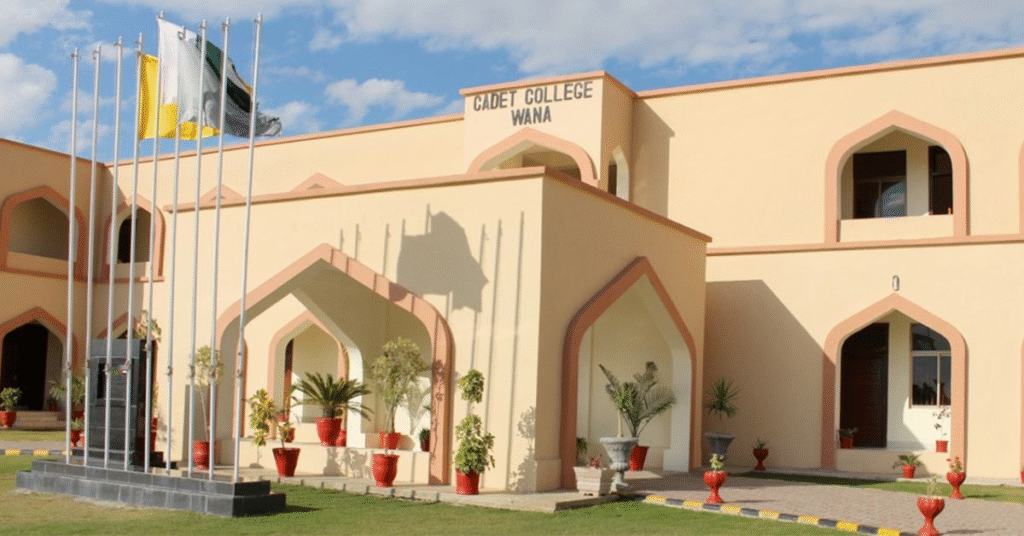
Wana In a brazen assault underscoring persistent security threats in Pakistan’s tribal belt, terrorists stormed Cadet College Wana in South Waziristan on Tuesday, prompting a swift military response that successfully evacuated over 500 students and staff unharmed. The attack, attributed to Fitna al-Khawarij militants, left three security personnel martyred, with the operation against the remaining three assailants entering its final phase.Eyewitnesses reported gunfire and explosions around midday, as the attackers—believed to be in contact with Afghan-based handlers—attempted to breach the premises. Pakistan Army troops cordoned off the area, engaging the intruders and ensuring a safe extraction of all cadets and educators to nearby safe zones. “All students and teachers have been rescued; the hunt for the terrorists continues,” confirmed Interior Minister Mohsin Naqvi, vowing a thorough probe into cross-border linkages.Established in 2013 to promote education in the former FATA region, Cadet College Wana symbolizes resilience amid conflict. Prime Minister Shehbaz Sharif condemned the “cowardly” strike, directing enhanced intelligence-sharing with neighbours. Local leaders praised the forces’ rapid action, which averted a larger tragedy. As the clearance op wraps up, questions loom over renewed militancy, with analysts urging fortified border measures. The incident highlights the fragile peace in Waziristan, where such institutions foster future leaders despite risks.
Suicide Bombing Outside Islamabad Court Kills 12, Wounds 27
Breaking News, Pakistan

Suicide Bombing Outside Islamabad Court Kills 12, Wounds 27

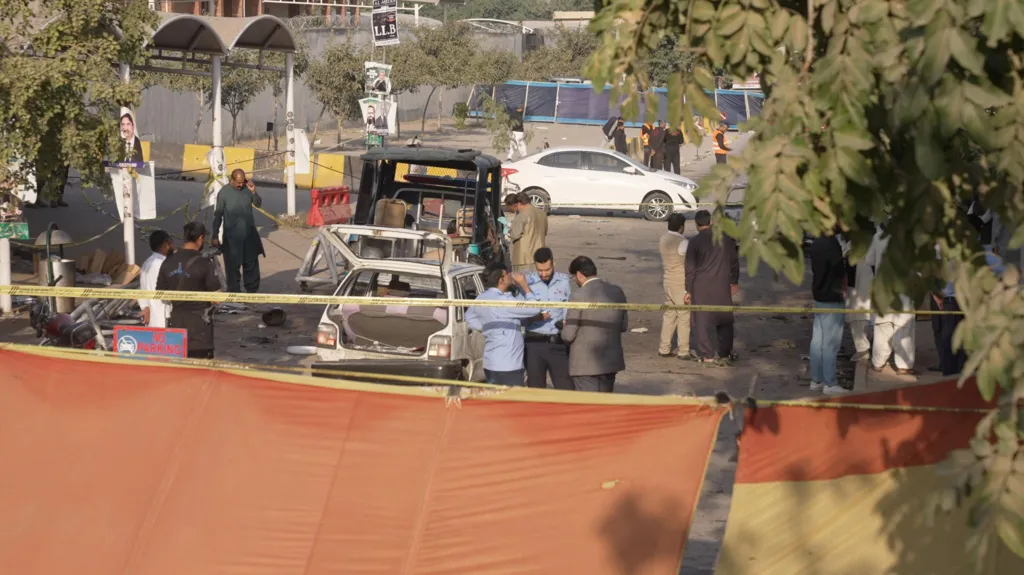
Islamabad A suicide attacker struck on Tuesday at the main judicial complex in the G-11 sector of Islamabad, Pakistan, killing at least 12 people and injuring 27 others. According to Interior Minister Mohsin Naqvi, the attacker tried to enter the court premises on foot but, failing to gain access, detonated the explosives beside a police vehicle waiting outside the entrance. The explosion took place around midday in a typically busy area where court visitors, lawyers and staff gather. Videos and photographs showed wounded people lying near damaged vehicles and a chaotic scene of rescue operations. A break-away faction of the Tehreek‑e‑Taliban Pakistan (TTP), known as Jamaat‑ul‑Ahrar, claimed responsibility for the attack, according to reports. Pakistan’s government has blamed the violence on militant groups operating from across the Afghan border and alleged support from “India-backed elements”. Both Afghanistan and India reject the accusations. Defence Minister Khawaja Asif described the incident as a “wake-up call”, warning that Pakistan is facing a “state of war” while struggling to contain extremist activity. Authorities have sealed off the area for forensic investigations, analyzed CCTV footage and are working to trace any accomplices. The bombing marks one of the deadliest attacks in the capital in recent years and raises serious questions about the country’s security architecture.

For the First Time, During the Holy Month of Ramazan, BISP Aid Was Transferred via Digital Wallets: PM Shehbaz
Pakistan

For the First Time, During the Holy Month of Ramazan, BISP Aid Was Transferred via Digital Wallets: PM Shehbaz

Islamabad For the first time, during the holy month of Ramazan, the government successfully transferred financial assistance to deserving families under the Benazir Income Support Programme (BISP) through digital wallets, Prime Minister Shehbaz Sharif announced while chairing a high-level meeting on cashless economy initiatives.Emphasizing that shifting to a cashless economy is crucial for sustainable development and curbing corruption, the PM directed authorities to ramp up rural awareness campaigns to phase out traditional cash transactions.“The world is advancing digitally; Pakistan must keep pace,” he stated, highlighting his government’s early focus on digitalization yielding results. Progress on 10 million BISP digital wallets was reviewed, alongside Raast QR for utility bills.Commending involved ministries and SBP, PM Shehbaz urged timely target achievement for enhanced financial inclusion.

Pakistan, Saudi Arabia Sign Hajj 2026 Agreement with 179,210 Quota
Pakistan, World

Pakistan, Saudi Arabia Sign Hajj 2026 Agreement with 179,210 Quota

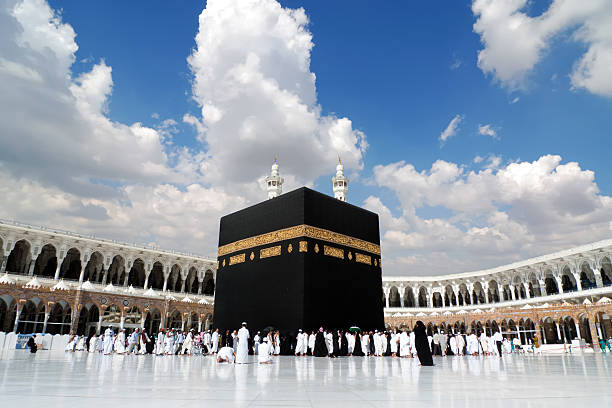
Jeddah/Islamabad Pakistan and Saudi Arabia have officially inked the Hajj 2026 agreement, securing a pilgrimage quota of 179,210 for Pakistani pilgrims. The pact was signed in Jeddah by Saudi Deputy Minister for Hajj and Umrah Dr. Abdul Fattah bin Sulaiman Al-Mashat and Pakistan’s Secretary for Religious Affairs Dr. Syed Ata-ur-Rehman.Of the total, 119,210 slots are allocated to the government scheme and 60,000 to private operators, reflecting the Hajj Policy 2026 approved by the federal cabinet. The ministry is gearing up for seamless arrangements, emphasizing top-tier services in coordination with Saudi authorities.Applications are underway, with pilgrims urged to follow guidelines for a hassle-free experience. This deal reinforces bilateral ties and ensures enhanced facilities.

Google Registers in Pakistan, Set to Open Local Office as Chromebook Production Begins
Pakistan

Google Registers in Pakistan, Set to Open Local Office as Chromebook Production Begins in Haripur

Islamabad In a landmark boost for Pakistan’s tech sector, Federal Minister for IT & Telecommunication Shaza Fatima Khawaja announced that Google has officially completed its registration in the country and will soon establish its first local office.The development coincides with the launch of Pakistan’s first Google Chromebook assembly line in Haripur, Khyber Pakhtunkhwa, in collaboration with the National Radio & Telecommunication Corporation (NRTC), Tech Valley, and Australia-based Allied. The facility, inaugurated on November 4, aims to produce 500,000–600,000 units annually, promoting technology transfer, job creation, and regional exports.Minister Khawaja highlighted that the initiative has already created around 600 jobs, with strong gender balance, and reflects global confidence in Pakistan’s economy. An MoU with Google will also provide AI and digital training to youth.This public-private partnership underscores Pakistan’s push toward becoming a regional IT hub.

Pakistans-Passport-Enters-Global-Top-100-in-Henley-Index-2025
Pakistan

Pakistan’s Passport Enters Global Top 100 in Henley Index 2025, Hails Interior Minister

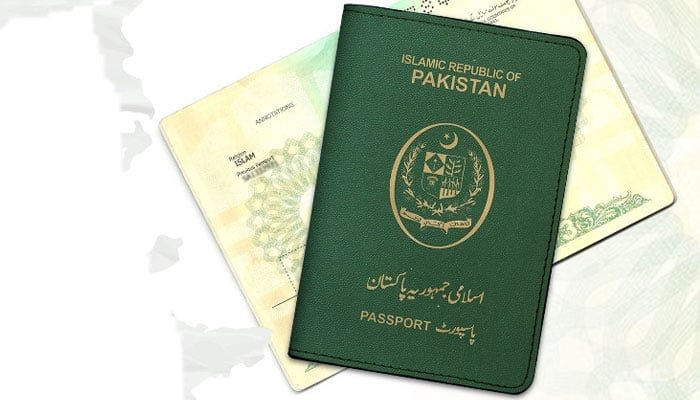
Islamabad In a boost for Pakistani travelers, the country’s passport has surged into the world’s top 100 rankings in the prestigious Henley Passport Index 2025, announced Federal Minister for Interior Mohsin Naqvi on Thursday. The milestone reflects a remarkable 13-spot improvement from the previous year, positioning Pakistan at 100th globally and granting visa-free or visa-on-arrarrival access to 32 destinations. Speaking in the National Assembly, Naqvi attributed the progress to the government’s proactive diplomacy and modernization efforts. “This achievement underscores our commitment to enhancing travel freedom for Pakistanis,” he said, highlighting recent visa waiver agreements with over 50 countries for diplomatic passports. The minister noted a 20-step leap in overall mobility scores, crediting the rollout of e-passports with NFC chips compliant with ICAO standards. Director General of Immigration and Passports, Mustafa Jamal Qazi, echoed the sentiment, praising the clearance of nationwide backlogs and digital upgrades like the “Passport Fee Asaan” app for overseas Pakistanis. Despite the gains, challenges persist, with Singapore topping the index at 195 destinations and Afghanistan languishing at last with 28. Experts view this as a step toward greater economic integration, though some reports cite varying rankings around 96th-103rd due to ongoing updates. The government vows continued bilateral pacts to climb higher.

Pakistan

Pakistan Targets 2026 Debut for Chinese-Built Sub in $5B Naval Upgrade

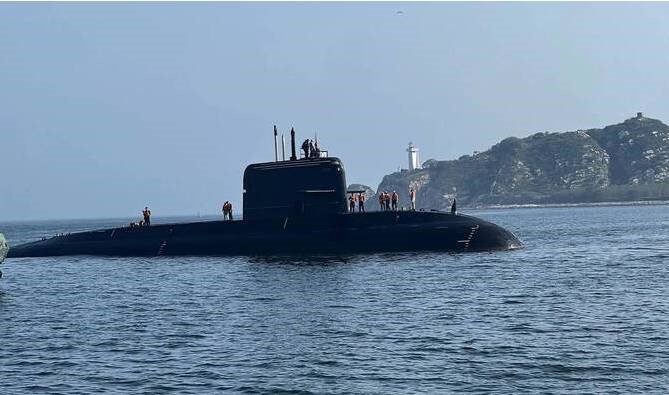
 Pakistan’s Navy anticipates commissioning its inaugural Chinese-designed Hangor-class submarine in 2026, Chief Admiral Naveed Ashraf revealed in a Global Times interview, advancing a $5 billion pact to acquire eight vessels by 2028 and fortify patrols in the Arabian Sea and Indian Ocean amid tensions with India. The diesel-electric subs, equipped with air-independent propulsion for stealthy operations, will see the first four constructed in China—three already launched on the Yangtze River—while the rest are built locally to hone Islamabad’s expertise. Ashraf lauded Chinese gear as “reliable and advanced,” signaling deeper ties in AI, drones, and electronic warfare. This follows May’s border clash, where Pakistani J-10 jets downed at least one Indian Rafale, spotlighting Beijing’s edge over Western tech and spurring questions on hardware superiority. Pakistan, absorbing over 60% of China’s arms exports from 2020-2024 per SIPRI, integrates this into the $60B CPEC corridor, securing energy routes via Gwadar and encircling India through regional alliances. India counters with three homegrown nuclear subs and diesel fleets from France, Germany, and Russia.

Scroll to Top