Pakistan

After MNCs Exit, Govt Wakes Up to Reduce the Taxes– But Economists Say Investor Trust is Very Hard to Regain
Pakistan

After MNCs Exit, Govt Wakes Up to Reduce the Taxes– But Economists Say Investor Trust is Very Hard to Regain

ISLAMABAD: Leading economists have sharply criticised the government’s belated move to slash or abolish super tax rates, saying the decision comes only after irreparable damage to investment and exports, caused by a narrow “accountancy mindset” rather than an economic one. The backlash intensified on social media after value investor Abdul Rehman Najam revealed that super tax rates are expected to be significantly reduced, with complete removal likely for exporters in the next budget. “After exit of multinationals, Govt is realising such high tax rates are back-breaking,” he posted, highlighting how effective tax rates nearing 50% on profits drove companies away. Former PTI economic spokesperson Muzzammil Aslam echoed the sentiment, stating: “This is the dilemma — we apply policy on the basis of accounting approach and ignore the economic approach. By the time investor decides to quit, it’s not easy to resume.” Economists argue the FBR’s obsession with short-term revenue collection blinded policymakers to long-term consequences. “You cannot tax growth to death and then act surprised when factories close and multinationals leave,” said one senior analyst. The recent exits of global giants, including Unilever, are cited as direct fallout of the super tax regime introduced in 2022. While some welcome the reported rollback as a step forward, most experts warn the harm — lost FDI, shuttered plants, and eroded investor confidence — cannot be quickly reversed. “Policy made by accountants destroys economies,” a Lahore-based economist remarked, summing up the widespread frustration now dominating economic discourse.

PSX: Another Lackluster Day; -KSE-100 Index Closed at 161,693 Points, Down Around 300 points
Pakistan

PSX: Another Lackluster Day; -KSE-100 Index Closed at 161,693 Points, Down Around 300 points

KARACHI: PSX had another lackluster day as the KSE-100 Index closed at 161,693 points, down 292 points or 0.18%. Throughout the session, investors largely stayed on the sidelines amid the absence of meaningful positive triggers. The benchmark moved within a range of 1,543 points, recording an intra-day high of 162,820 (+836 points; 0.52%) and a low of 161,277 (-707 points; 0.44%), said Ali Najib, Deputy Head of Trading at Arif Habib Ltd. On the corporate front, OGDC notified the exchange that it has received the fifth instalment of Rs 7.725 billion as interest payment from Power Holding (Private) Limited (PHL), in line with the Government of Pakistan’s approved mechanism. Sector-wise, Fertilizer, E&P, Banks and Power bore most of the selling pressure, with ENGROH, PPL, NBP, BAHL and HUBC collectively eroding 304 points. Meanwhile, FFC, LUCK, BAFL, POL and SYS saw renewed buying interest, adding a combined 317 points to the index. Market activity remained moderate, with 589.2 million shares traded and a turnover of Rs 22.1 billion. WTL led the volume chart with over 59 million shares. Outlook: PSX experienced another range-bound day, with the benchmark fluctuating within a narrow band of 1,543 points. Looking ahead, the index is expected to consolidate within the 157k–164k zone for the remainder of the week. To preserve stability and build a base for any potential rebound, the market should ideally avoid posting a new low in the upcoming sessions.

Business Community Rejects OGRA’s Gas Price Hike, Terms Decision Devastating for Economy
Pakistan

Business Community Rejects OGRA’s Gas Price Hike, Terms Decision Devastating for Economy

Karachi: The Korangi Association of Trade and Industry (KATI) President, Ikram Rajput, has strongly rejected the Oil and Gas Regulatory Authority’s (OGRA) decision to increase gas tariffs for Sui Southern Gas Company, warning that the move will intensify economic hardships for both industries and the public.Rajput said the price hike is unjustified in the current economic environment and places an unfair burden on already struggling manufacturers and households. He stressed that the decision ignores key positive economic indicators, including a reduction in UFG (unaccounted-for gas) losses and declining interest rates, which should have supported stable or reduced gas tariffs.The KATI president called on Prime Minister Shehbaz Sharif to immediately intervene and direct the withdrawal of the revised gas tariff, noting that the increase will make Pakistani industries uncompetitive in global markets and undermine export performance.He reminded the government of its earlier commitments to support export-oriented industries, saying the tariff hike is contradictory to those promises. Rajput urged policymakers to prioritize pro-industry and pro-consumer measures that would help stabilize the economy and reduce unemployment.Rajput also criticized the tariff increase without first addressing gas theft and systemic inefficiencies, arguing that pushing the financial burden onto consumers is unjust. He cautioned that rising gas costs will particularly harm industries dependent on gas-fired plants, already grappling with high production costs and weakening international demand.He warned that escalating gas prices will further erode export competitiveness, deter investment, and heighten uncertainty among the business community. Rajput reiterated his appeal to the prime minister, urging him to place the welfare of citizens and industries at the center of national economic decision-making.“Pakistan’s economic recovery depends on sustainable industrial growth,” he said. “Raising gas prices at this stage risks undermining both industry and employment. The government must act swiftly in the national interest.”

COP30: Pakistan Tells World It's Rooftop Panels to Outstrip Daytime Grid Demand in 2026
Pakistan

COP30: Pakistan Tells World It’s Rooftop Panels to Outstrip Daytime Grid Demand in 2026

BELEM, Brazil: In a landmark shift for an emerging economy, Pakistan’s rooftop solar generation will exceed daytime grid demand in major industrial regions next year, according to Aisha Moriani, Secretary of the Ministry of Climate Change and Pakistan’s lead negotiator.She confirmed that cities like Lahore, Faisalabad, and Sialkot will experience “negative grid-linked demand” during peak sunshine hours in 2026 as behind-the-meter solar completely offsets consumption in large areas.Driven by frequent power outages and steep tariff hikes, Pakistan has become the world’s third-largest solar panel importer. Its solar adoption rate now surpasses even neighbouring China on a per-capita basis, slashing emissions and household bills but hammering the finances of debt-laden distribution companies.“Pakistan’s challenge is no longer whether renewables will grow, but how fast the grid, regulations, and market design can adapt,” Moriani said.To address revenue losses, the government plans new tariffs for large solar users and revised fixed charges to ensure fair contributions toward grid maintenance. The solar boom has also prompted Islamabad to renegotiate LNG contracts with Qatar, cancel Eni cargoes, and seek greater flexibility and lower prices.While grid demand is still projected to rise 3-4% this year, the rapid solar surge means traditional consumption growth will be increasingly suppressed during daylight hours, marking a turning point for South Asia’s energy landscape.

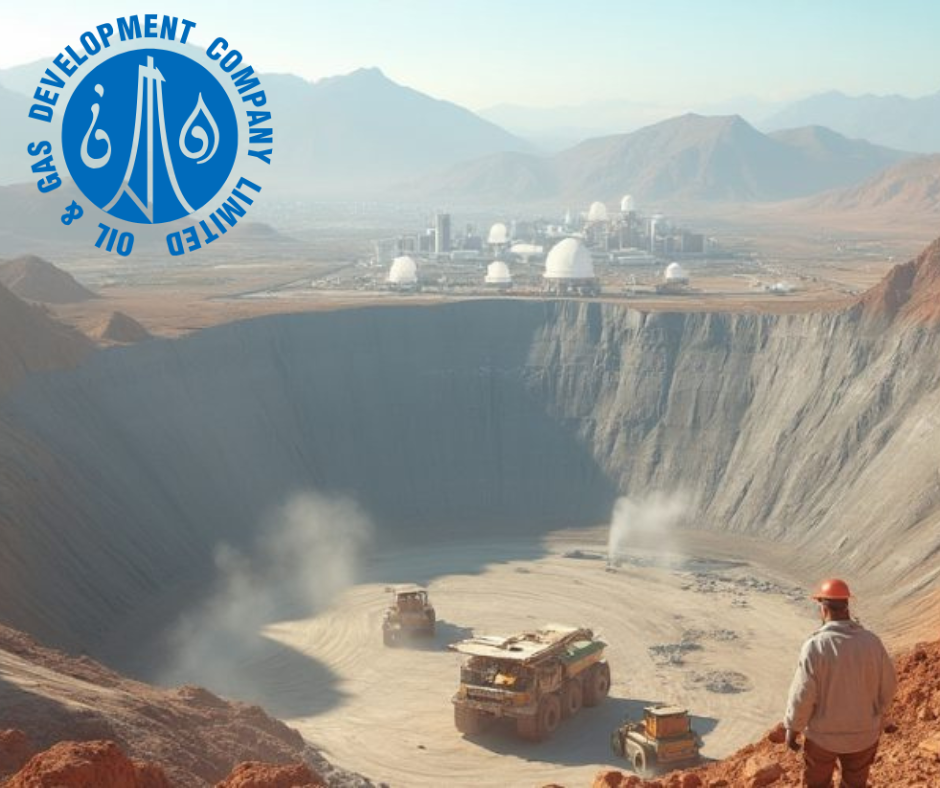
Pakistan’s flagship Reko Diq mining project will remain unaffected by any corporate changes at Barrick Gold, senior officials of Oil and Gas Development Company Limited (OGDCL) said on Monday. Addressing market concerns triggered by reports of a possible Barrick split or asset sales, OGDCL management stated during an analyst briefing that the Canadian miner has repeatedly assured Pakistani stakeholders that Reko Diq is a core, long-term holding and is not under consideration for divestment. “Barrick has made it very clear to us — both formally and informally — that Reko Diq is a strategic priority and will not be impacted,” the company said. OGDCL further highlighted the project’s robust governance framework involving multiple Pakistani government entities, which effectively rules out any surprise moves. With first production targeted for 2028, OGDCL expects the mine to generate $150–200 million in average annual cash flow for the company from its interest in the federal 25% stake, marking one of the most significant non-oil revenue streams in Pakistan’s history.
Pakistan, World

Reko Diq safe despite Barrick restructuring talks, OGDCL tells investorsNovember 25, 2025

Pakistan’s flagship Reko Diq mining project will remain unaffected by any corporate changes at Barrick Gold, senior officials of Oil and Gas Development Company Limited (OGDCL) said on Monday.Addressing market concerns triggered by reports of a possible Barrick split or asset sales, OGDCL management stated during an analyst briefing that the Canadian miner has repeatedly assured Pakistani stakeholders that Reko Diq is a core, long-term holding and is not under consideration for divestment.“Barrick has made it very clear to us — both formally and informally — that Reko Diq is a strategic priority and will not be impacted,” the company said.OGDCL further highlighted the project’s robust governance framework involving multiple Pakistani government entities, which effectively rules out any surprise moves.With first production targeted for 2028, OGDCL expects the mine to generate $150–200 million in average annual cash flow for the company from its interest in the federal 25% stake, marking one of the most significant non-oil revenue streams in Pakistan’s history.

Premium Textile Mills to add 7.5MW wind turbine in $4.15mn green push
Pakistan

Premium Textile Mills to add 7.5MW wind turbine in $4.15mn green push

Karachi: Premium Textile Mills Limited (PSX: PRET), one of Pakistan’s leading yarn manufacturers, has approved a $4.15 million investment to install a 7.5-megawatt wind turbine, the company informed the Pakistan Stock Exchange on Monday.The decision was taken through a circular resolution by the Board of Directors on November 24, 2025. The new turbine will substantially boost the renewable share in the company’s energy mix and reduce reliance on grid electricity amid soaring power tariffs.“Keeping up with our commitment towards sustainable environment practices, the contribution of renewable energy in the power mix will significantly increase after the completion of the above-mentioned project, the filing stated. The project is the latest addition to Premium Textile’s ongoing efforts to adopt cleaner energy sources and lower its carbon footprint in an energy-intensive industry.

Export Development Surcharge Removed: Relief for Pakistani Exporters Amid Cost Pressures
Pakistan

Export Development Surcharge to be Removed: Relief for Pakistani Exporters Amid Cost Pressures

The federal government is going to abolish the Export Development Surcharge (EDS), a move widely welcomed by the export sector as critical relief at a time when rising input costs and regional competition continue to erode profitability. Waqas Ghani Kukaswadia, Head of Research at JS Global Capital, commented: “The removal of the Export Development Surcharge is a meaningful relief for exporters facing intense cost pressures. Although the direct fiscal burden of the surcharge was modest, its elimination sends a strong positive signal that policy is finally moving in the direction of export-led growth. The real test now is follow-through. This step needs to be supported by broader trade facilitation measures and structural reforms that tangibly lower the cost of doing business — faster tax refunds, competitive energy pricing for exporters, and streamlined temporary importation procedures will determine whether this marks a genuine turning point for Pakistan’s export competitiveness.” Export Development Surcharge imposed at 0.25% of the FOB value of exports, the EDS has been a longstanding grievance for exporters who argued it effectively taxed foreign exchange earnings at a time when margins were already under severe strain. Industry sources indicate that the decision is part of an emerging package of export-supportive measures, with expectations building for additional steps such as phased reduction in minimum turnover tax and duty rationalization on imported raw materials in the near term.  

Government Urged to Halt Rising Exit of Multinational Compan
Pakistan

Government Urged to Halt Rising Exit of Multinational Companies

The government is under increasing pressure to prevent a steady exodus of multinational companies from Pakistan. While more than 200 global firms remain active, their growing departures are raising serious economic red flags. These multinationals contribute a substantial portion of tax revenues, but their lack of exports and high repatriation of profits is creating an unsustainable pattern. According to insiders, the authorities are now considering a business-protection framework aimed at retaining these companies. A key part of this involves rethinking tax strategies—moving away from heavy import tariffs toward policies that reward efficient, export-oriented operations. One proposal under review is to eliminate or reduce the burden of federal excise duty and other indirect taxes for well-compliant multinationals. The sharp rise in foreign firm exits has been linked to a range of issues: discriminatory tax policies, steep corporate tax rates, regulatory uncertainty, and growing difficulties in repatriating profits. Additionally, rupee devaluation, inflation, and frequent policy changes are adding pressure. Some companies reportedly face blocked dividends running into the billions of dollars. Experts warn that a further foreign-company run could deal a blow to Pakistan’s reputation. These multinational players are not just profit machines—they bring advanced technology, best-in-class management practices, and valuable employment opportunities. Their exit creates a gap not only in capital but also in expertise and innovation. Industry associations are calling for urgent reforms. They want simplified tax structures, stable regulation, and clear protection mechanisms. Their concern is not just profit—it’s about sustaining foreign direct investment, preserving high-quality jobs, and maintaining the country’s competitiveness on the global stage. As the debate intensifies, the hope among business leaders is that the government recognizes the wider cost of these exits and takes decisive steps to stem the tide before it’s too late.

PTCL-Telenor Acquisition Review is Now in Final Stages
Pakistan

PTCL-Telenor Acquisition Review is Now in Final Stages

Pakistan’s telecom sector is moving closer to a major shift as the Competition Commission of Pakistan (CCP) progresses into the final stages of reviewing the proposed acquisition of Telenor Pakistan by Pakistan Telecommunication Company Limited (PTCL). This review is a key requirement under local competition laws and ensures that market consolidation does not negatively affect consumers or industry competitiveness. According to officials familiar with the matter, the CCP has been thoroughly examining market dynamics, potential impacts on pricing, service quality, infrastructure sharing, and overall market fairness. The regulator has already completed several rounds of data collection, stakeholder feedback, and internal assessments. The focus remains on whether the acquisition could create a dominant market position or limit competitive choices for telecom users in Pakistan. PTCL, backed by e& (formerly Etisalat Group), aims to acquire 100% of Telenor Pakistan’s operations. If approved, the deal is expected to reshape Pakistan’s telecom landscape by combining PTCL’s fixed-line expertise and fiber infrastructure with Telenor Pakistan’s large mobile user base. Industry analysts believe this merger could accelerate Pakistan’s digital connectivity goals, improve network coverage, and enable better integration of emerging technologies such as 5G. However, the CCP’s final decision will depend on whether sufficient safeguards are in place to maintain fair competition. The regulator may impose conditions related to spectrum management, consumer protection, and market transparency before granting approval. Once cleared, the acquisition will move toward closing formalities, including financial settlement and operational integration. This will mark one of the largest telecom mergers in Pakistan’s history, potentially influencing service standards and expanding digital access nationwide. For now, the industry awaits the CCP’s concluding verdict, which is expected soon. The outcome will determine how Pakistan’s telecom sector evolves in the coming years and whether this consolidation will ultimately benefit consumers and the broader digital ecosystem.

Pakistan to Introduce Prepaid Electricity Meters: “No Balance, No Power” Reform Coming Soon
Pakistan

Pakistan to Introduce Prepaid Electricity Meters: “No Balance, No Power” Reform Coming Soon

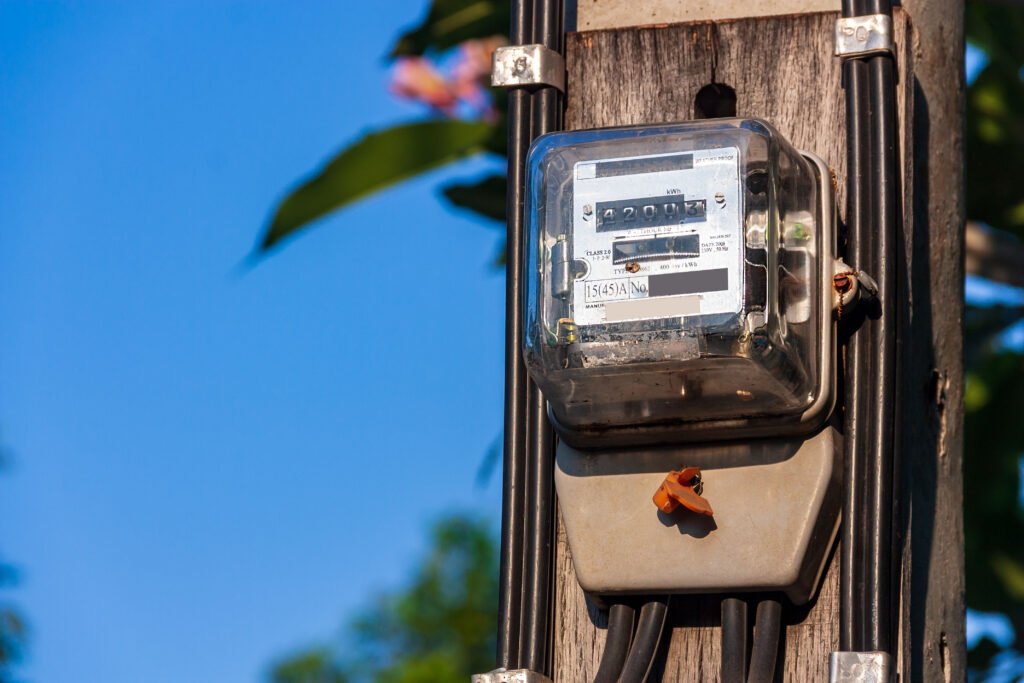
Pakistan’s federal government is gearing up for a major shake-up in the power sector: a nationwide rollout of prepaid electricity meters that will require users to top up credit before using power. Under this new system, once the meter balance reaches zero, electricity will automatically shut off — replacing monthly bills and late payments with a simple recharge-to-use model. Under this plan, consumers will use a rechargeable card to pay for electricity in advance. Officials say this shift could eliminate the need for meter readers and make the entire billing process more transparent, efficient, and stress-free for users. This initiative is part of a broader reform agenda. The Power Division has already begun a large-scale deployment of smart meters across the country as part of its “Year of Customer Service Improvement” for 2025–26. Thanks to competitive procurement through open tenders, the cost of single-phase smart meters has been brought down from around Rs 20,000 to approximately Rs 15,000 — a reduction that could save the country billions each year. Authorities believe these smart meters will ensure accurate readings, minimize human errors, and ultimately support the transition to a prepaid electricity model. For consumers, the benefits are clear: better control over consumption, real-time monitoring, and a system that encourages smarter energy use. For power companies, the reform promises improved operational visibility, faster billing processes, and fewer disputes. In short, Pakistan’s electricity sector is entering a new era — one where digital meters and prepaid credit may completely transform not just how people pay for electricity, but how they manage their energy consumption.

Scroll to Top