Pakistan

Govt Orders Strict Safety Overhaul After Recent Fire Incident at Landhi Export Processing Zone in Karachi
Pakistan

Govt Orders Strict Safety Overhaul After Recent Fire Incident at Landhi Export Processing Zone in Karachi

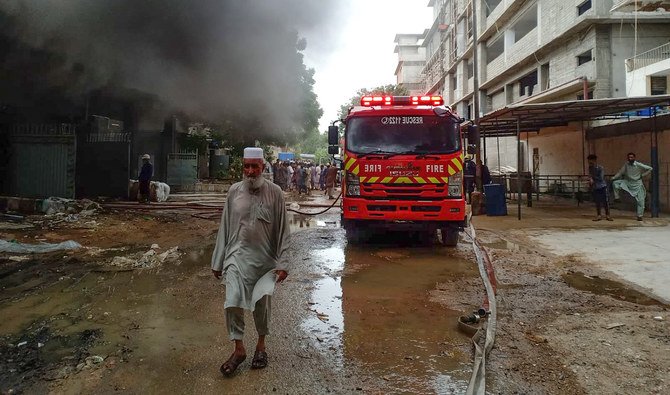
KARACHI: Special Assistant to the Prime Minister on Industries and Production, Haroon Akhtar Khan, chaired an important meeting with the Export Processing Zones Authority (EPZA) to review the recent fire incident at the Landhi Export Processing Zone in Karachi. Haroon Akhtar expressed serious concern over the repeated fire incidents in export zones, stating that such occurrences were alarming and must not be allowed to happen again. He directed EPZA to ensure strict implementation of safety protocols and preventive measures across all export processing zones. He emphasized that fire safety measures must be mandatory for all factories, and no negligence or delay in compliance would be tolerated. “Human lives are precious, and any form of carelessness is unacceptable,” he said. Haroon Akhtar made it clear that EPZA must take full responsibility for preventing future incidents. “There should not be any other accident. The responsibility lies with EPZA, and strict action will be taken if safety standards are ignored,” he added. He further instructed EPZA to hire qualified safety experts and ensure that every factory fully complies with national and international safety rules and regulations. He reiterated a zero-tolerance policy for negligence and incompetence, stressing that the protection of workers’ lives is the top priority. Haroon Akhtar directed EPZA to upgrade all processes and safety systems in line with international standards, highlighting that tangible results are now essential. To ensure continuous oversight, he announced that weekly review meetings will be held, during which EPZA will present progress reports and compliance updates.
Fodder Prices Skyrocket as Industries Burn Wheat Straw; Cattle Farmers Association Urges Ban on Use of Straw as Industrial Fuel
Pakistan

Fodder Prices Skyrocket as Industries Burn Wheat Straw; Cattle Farmers Association Urges Ban on Use of Straw as Industrial Fuel

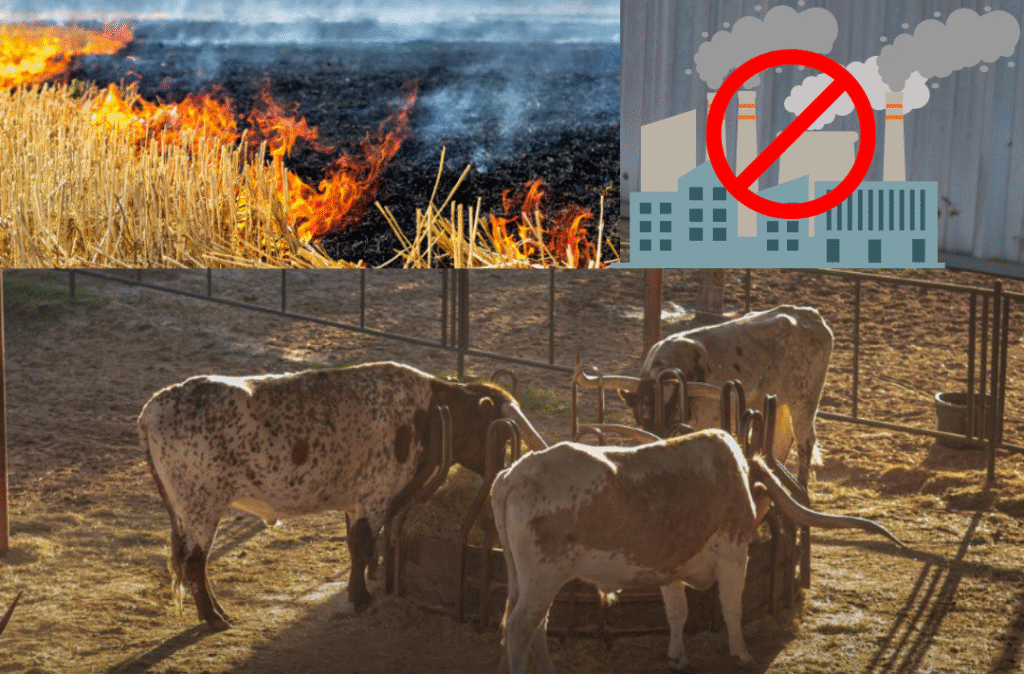
Karachi: The Dairy & Cattle Farmers Association of Pakistan (DCFA) has issued an urgent appeal to the Chief Minister of Sindh, Syed Murad Ali Shah, and the Commissioner Karachi, Syed Hassan Naqvi, highlighting a rapidly escalating crisis affecting the province’s dairy, livestock, and food security landscape. In a formal letter, DCFA President Shakir Umer Gujjar warned that the growing practice of cement factories and large industries burning wheat straw (toori/bhoosa) as fuel has triggered a severe shortage of livestock fodder, a development he says is pushing dairy farmers toward bankruptcy and driving up the cost of essential food commodities. Industrial Use of Wheat Straw Sparks Fodder Shortage: According to Gujjar, wheat straw is the primary and most affordable feed for livestock across Sindh, particularly for dairy and meat-producing farmers in Karachi. However, to cut energy expenses, various industrial units have begun purchasing massive quantities of this straw to burn in their boilers. This industrial diversion is generating severe consequences, including: However, a recent price notification (27 November) set the official farm-gate price at only Rs. 200 per liter.This Rs. 70 per liter loss is making dairy operations financially unsustainable. Many farmers, he warns, are already collapsing under the ppressure DCFA’s Urgent Demands to Sindh Government: On behalf of Pakistan’s dairy farmers, Shakir Umer Gujjar has requested immediate intervention from provincial authorities, including: Gujjar emphasized that the issue is not merely economic, it is a matter of human and livestock survival. Without immediate government action, he warned, Sindh’s dairy sector could face total collapse, triggering widespread inflation, food scarcity, and long-term damage to Pakistan’s livestock economy. DCFA has requested an urgent meeting with the Chief Minister and Commissioner Karachi to discuss emergency measures.

Karachi Port Gets Multi-Million Dollar Agri Cargo Handling & Storage Hub in UAE's ADQ Portfolio Tie-Up
Pakistan

Karachi Port Gets Multi-Million Dollar Agri Cargo Handling & Storage Hub in UAE’s ADQ Portfolio Tie-Up

KARACHI/ABU DHABI: UAE-based logistics company, AD Ports Group, on Friday announced that its subsidiary Karachi Gateway Terminal Multipurpose Limited (KGTML), under Noatum Ports, has signed a long-term agreement with Louis Dreyfus Company Pakistan (Private) Limited (LDC) to develop and operate a modern, food-grade clean bulk handling and storage facility for agricultural commodities at Karachi Port.Under the pact, KGTML will fully fund the design, construction, conveyor systems and supporting infrastructure, while LDC guarantees inbound volumes of dry agricultural bulk cargo. The investment is in addition to the earlier $75 million committed by AD Ports Group for phase one of the KGTML project.The Strategic Investment and Infrastructure Utilisation Agreement was signed in Abu Dhabi by Mohammed Al Tamimi, CEO of Noatum Ports, and Rubens Marques, Head of South & Southeast Asia for LDC.The new facility will significantly enhance efficiency, reduce handling times and align Pakistan’s agri-logistics with global food safety standards, strengthening the national supply chain and reinforcing Karachi Port’s role as a regional trade gateway.“This partnership reflects shared commitment by two ADQ portfolio companies to upgrade Pakistan’s port and agricultural logistics ecosystem,” stated AD Ports Group. The project further deepens UAE-Pakistan economic ties and supports growing bilateral trade.

After Rs60bn Investment Pledge, Chinese-Pak Company, Service Long March Tyres, Heads to PSX with IPO Plans
Pakistan

After Rs60bn Investment Pledge, Chinese-Pak Company, Service Long March Tyres, Heads to PSX with IPO Plans

KARACHI: Service Industries Limited (PSX: SRVI) on Friday informed the Pakistan Stock Exchange that its subsidiary, Service Long March Tyres (Private) Limited (SLM), has decided to raise fresh capital through an Initial Public Offering (IPO) and subsequently list on the PSX.“We are pleased to convey that Service Long March Tyres (Private) Limited (SLM)… has decided to raise capital through IPO and, accordingly, to seek listing on the Pakistan Stock Exchange Limited,” the company stated in its notice.SLM, Pakistan’s leading all-steel radial truck-and-bus (TBR) tyre manufacturer, is a joint venture between Servis Group and China’s Chaoyang Long March Tyre Co. Service Industries and its subsidiary Service Global Footwear currently hold 32.09% and 18.91% stakes in SLM, respectively.The company had earlier announced plans to invest an additional Rs60 billion in Pakistan, including a new export-oriented project targeting specialised tyres for the EU and US markets.The move follows recent IPO announcements in the corporate sector, including Ghani Dairies Limited’s planned Rs2.5 billion offering.

Cotton Output Plunges 34%: Inter-Ministerial Panel Greenlights Revival Strategy
Pakistan

Cotton Output Plunges 34%: Inter-Ministerial Panel Greenlights Revival Strategy

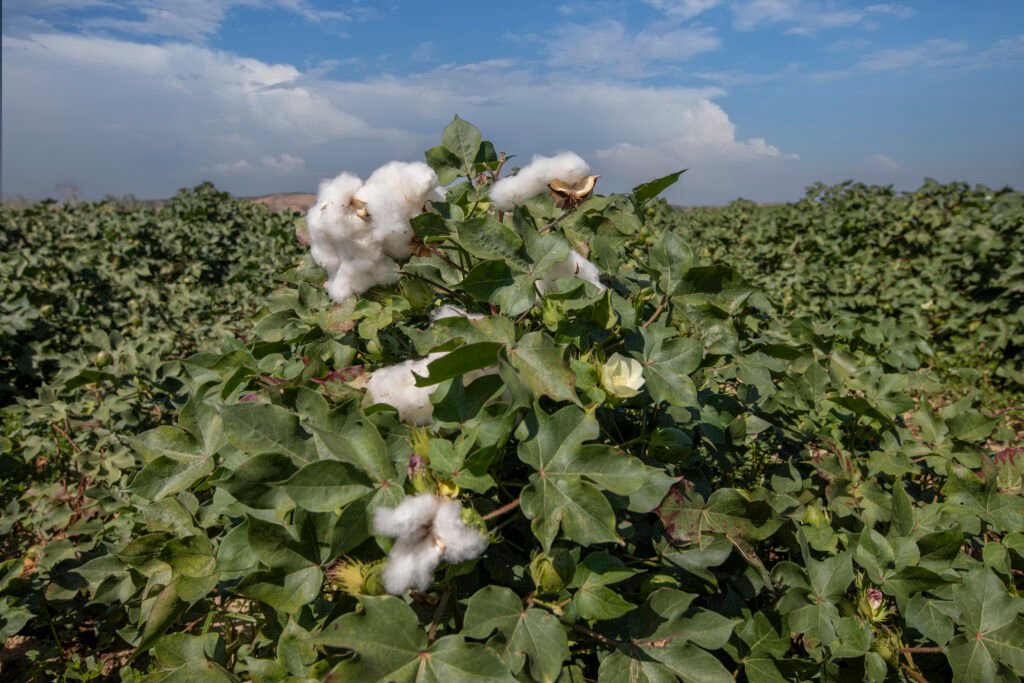
ISLAMABAD: In a crucial move to reverse the declining trend in cotton production, an inter-ministerial meeting chaired by Deputy Prime Minister and Foreign Minister Senator Ishaq Dar on Thursday approved the implementation plan for revival of the cotton sector, including collection of cotton cess through the Federal Board of Revenue (FBR), well-informed sources told Business Recorder.Pakistan’s cotton production has nosedived to an estimated 6.85 million bales in the 2025-26 season from 2.0 million hectares — a sharp 34 percent shortfall against the target of 10.18 million bales.During the meeting, the Cotton Commissioner, Ministry of National Food Security & Research, presented a comprehensive revival roadmap prepared in consultation with the All Pakistan Textile Mills Association (Aptma) and incorporating its recommendations.The meeting adopted an inclusive and participatory approach, emphasising industry ownership of the initiative. Concluding the session, the Chair reaffirmed the government’s firm commitment to ensuring that leadership of cotton revival rests with an industry-led council under Aptma’s stewardship.Sources said the approved measures aim to address structural challenges and restore cotton production to sustainable levels in the coming years.

PSX Market Report: KSE-100 Stages Resilience Recovery Led by Cement and Leather Sectors
Pakistan

PSX Market Report: KSE-100 Stages Resilience Recovery Led by Cement and Leather Sectors

Karachi:The Pakistan Stock Exchange (PSX) witnessed a volatile yet resilient trading session on Thursday, December 4, 2025. After a lackluster performance in the previous session and an early intraday dip, the bulls managed to stage a recovery, pushing the benchmark KSE-100 Index to close in the green. The market sentiment shifted significantly during the second half of the session, driven by aggressive buying in the Cement and Leather & Tanneries sectors, offsetting the selling pressure seen in Fertilizer and Commercial Banks. Market Overview: Key Statistics: The KSE-100 Index concluded the session at 166,283.55, recording a gain of 138.21 points (+0.08%). Indices Summary: Index: KSE-100Current Level: 166,283.55 PointsChange (Points): +138.21Change (%)+0.08% Index :KSE-30Current Level: 50,536.06 PointsChange (Points): +39.88Change (%): +0.08% Index: KMI-30Current Level: 238,289.02 PointsChange (Points): +380.14Change (%) +0.16% Index: ALLSHRCurrent Level: 100,872.71 PointsChange (Points): +307.41Change (%) +0.31% Technical Note: The index successfully defended the psychological support level near 165,800. The recovery from the intraday low suggests that smart money is accumulating value stocks at dips, preventing a deeper correction. Sector Watch: The Bulls vs. The Bears: Today’s session was a classic tug-of-war between sector rotation strategies. While Fertilizer giants faced profit-taking, cyclical sectors like Cement and Leather stepped up to support the index. Top Positive Contributors (The Saviors): The Leather & Tanneries and Cement sectors were the primary drivers of today’s gains. Top Negative Contributors ( The Drags): Profit-taking was evident in the Fertilizer and Banking sectors, capping the index’s upside. Volume Leaders: Where is the Liquidity? Trading activity remained robust with the KSE-All Share volume hitting 607 million shares, indicating healthy market participation despite the volatility. Technical Analysis & Market Outlook: The market formation today indicates an “Intraday Reversal.” After dipping 259 points, the index found support and bounced back. This “buy on dip” behavior is a bullish signal for the short term. Strategic Advice for Investors: The rotation into Cement suggests investors are positioning for potential construction demand or favorable pricing power. The selling in LPL (despite high volume) warrants caution—high volume on a price drop is often a bearish divergence. Conversely, PIAHCLA shows strong momentum, likely driven by privatization news flows.

Pakistan, Kyrgyzstan to Deepen Trade Ties: Push Taliban to Act Against Terrorist Groups
Pakistan

Pakistan, Kyrgyzstan to Deepen Trade Ties: Push Taliban to Act Against Terrorist Groups

Islamabad: In a landmark bilateral meeting at the Prime Minister’s House, Pakistan’s Prime Minister Muhammad Shehbaz Sharif welcomed Kyrgyz President Sadyr Nurgozhoevich Zhaparov on his maiden two-day state visit—the first by a Kyrgyz head of state in two decades. The leaders pledged to turbocharge cooperation in trade, energy, connectivity, and beyond, aiming to elevate bilateral trade to $200 million by 2027-28.Sharif hailed the visit as a “highly beneficial” milestone, underscoring Pakistan’s “Vision Central Asia” policy to deepen ties with Central Asian nations rooted in shared history and values. Zhaparov reciprocated with gratitude for the warm reception, expressing eagerness to explore new collaborative avenues.Discussions spanned regional flashpoints: Both nations urged the Afghan Taliban to fulfill international commitments and address Pakistan’s security concerns through verifiable anti-terror actions, reaffirming support for a stable Afghanistan. On Gaza, they voiced unwavering backing for Palestinian self-determination and a sovereign state on pre-1967 borders with East Jerusalem as capital, condemning threats to regional peace and advocating UN Charter-guided resolutions.Energy and infrastructure took center stage, with enthusiasm for the CASA-1000 project’s swift rollout to link Central and South Asia. The duo celebrated the operationalization of a road corridor under the Quadrilateral Traffic in Transit Agreement (QTTA) for bolstered trade routes.The talks, attended by Chief of Army Staff Field Marshal Syed Asim Munir, Deputy PM/Foreign Minister Ishaq Dar, and others, culminated in 15 MoUs and agreements on energy, mining, trade, education, agriculture, culture, tourism, law, and justice. Earlier, Zhaparov received a guard of honor, followed by a Sharif-hosted luncheon and joint press conference.This visit signals a strategic pivot toward economic resilience and peace, potentially reshaping South-Central Asian dynamics amid global uncertainties.

Thatta Cement Denies Liquidity Crisis, Says Rs. 6.5 Billion Investment Nearly Doubled in Value
Pakistan

Thatta Cement Denies Liquidity Crisis, Says Rs. 6.5 Billion Investment Nearly Doubled in Value

Thatta Cement Company Limited has strongly denied circulating social media claims suggesting that the company is facing a severe liquidity crisis and that its recent Rs. 6.5 billion investment has been frozen by court orders. In an official filing submitted to the Pakistan Stock Exchange (PSX) on Thursday, the company termed these reports as “false circulation of information” and reassured investors of its solid financial position. Company Maintains Strong Liquidity Position: In its clarification, the company emphasized that it continues to maintain substantial liquid cash reserves on its balance sheet. The management rejected the narrative that the company is under any financial distress, stating clearly: “The Company maintains substantial liquid cash reserves in its books.” This statement directly contradicts online speculation that suggested the cement manufacturer was struggling to meet its financial obligations. Rs. 6.5 Billion Investment Nearly Doubles: Addressing concerns about its recent investment, Thatta Cement confirmed that the lawful investment of PKR 6.5 billion made through PSX has nearly doubled in value, reinforcing confidence in the company’s financial strategy and market performance. This development is particularly significant for shareholders, as it highlights the company’s ability to generate strong returns despite broader economic challenges. Legal Matter Sub-Judice in Islamabad High Court: The company also clarified the status of ongoing legal proceedings, confirming that the matter is currently sub-judice before the Islamabad High Court. While a Single Bench granted ex parte ad interim relief to the petitioners in Company Original Petition Nos. 16 & 17 of 2025, the company stressed that: • No final decision or adjudication has been made so far• The next hearing is scheduled for December 23, 2025 Importantly, the company rejected claims that the investment has been permanently frozen or rendered a “dead asset.” Commitment to Transparency and Regulatory Compliance: Reaffirming its commitment to investors and regulators, Thatta Cement assured that any material developments will be disclosed through proper channels in full compliance with PSX regulations. The company urged stakeholders to rely only on official disclosures rather than unverified social media reports.

Maple Leaf Cement’s Credit Rating Upgraded to A+ with Stable Outlook
Pakistan

Maple Leaf Cement’s Credit Rating Upgraded to A+ with Stable Outlook

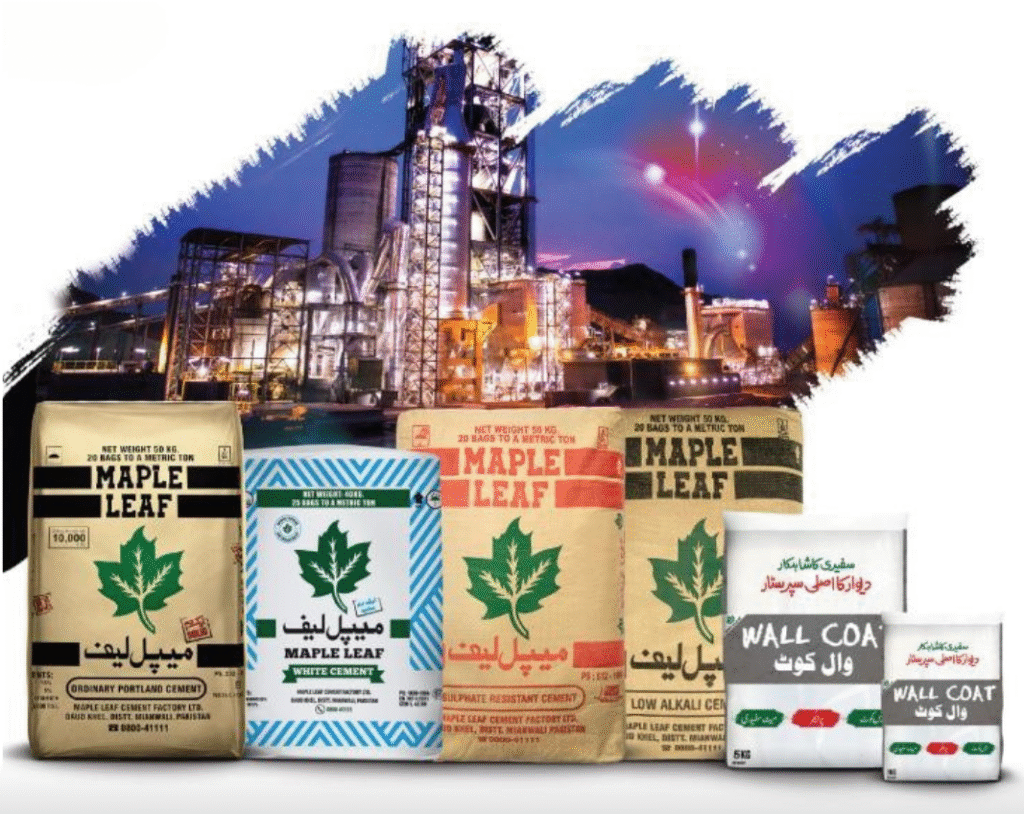
VIS Credit Rating Company Limited has announced an upgrade in the medium to long-term entity rating of Maple Leaf Cement Factory Limited (MLCF), raising it from A (Single A) to A+ (Single A Plus). The company’s short-term rating has been reaffirmed at A1 (A One), while the outlook remains Stable. This rating action reflects strong confidence in Maple Leaf Cement’s financial health, operational resilience, and long-term business sustainability. Strong Credit Quality and Liquidity Position: According to VIS, the upgraded medium to long-term rating indicates good credit quality backed by strong protection factors, while the reaffirmed short-term rating highlights a high likelihood of timely debt repayments and excellent liquidity. Maple Leaf Cement’s rating continues to benefit from its well-established position in Pakistan’s cement industry and its strategic integration within the broader Kohinoor Maple Leaf Group (KMLG), which provides additional operational and financial stability. Experienced Management and Solid Corporate Governance: VIS also credited the company’s experienced and long-standing management team, known for its deep industry knowledge. The presence of strong corporate governance structures, including active audit and remuneration committees, ensures high levels of transparency, accountability, and regulatory compliance. Operational Resilience Amid Industry Challenges: Despite facing subdued construction demand, volatile input costs, and fluctuating energy prices, Maple Leaf Cement has managed to maintain stable production levels. The company’s resilient profitability is supported by: • Strong pricing power• Ongoing cost optimization measures• Efficient energy utilization These factors have helped the company sustain healthy profit margins and positive cash flows, even in a challenging macroeconomic environment. Strengthening Financial Profile and Lower Leverage: From a financial perspective, VIS highlighted the company’s conservative capital structure, marked by: • Declining debt levels• A stronger equity base• Improving liquidity ratios Timely repayment of long-term borrowings and reduced dependence on short-term financing have significantly lowered leverage, while efficient working capital management has further strengthened liquidity buffers. In addition, robust internal cash generation and steady subsidiary income continue to support the company’s strong debt-servicing capacity. Outlook and Future Rating Prospects: VIS emphasized that the continued strengthening of Maple Leaf Cement’s financial profile will be a key factor in future rating actions. With a Stable outlook, the current rating suggests confidence in the company’s ability to maintain its solid performance in the near to medium term. The upgrade of Maple Leaf Cement’s rating to A+ is a strong endorsement of the company’s financial discipline, operational efficiency, and strategic market position. For investors and stakeholders, this move signals enhanced creditworthiness, lower financial risk, and long-term stability in one of Pakistan’s leading cement manufacturers.

Heat-Struck Workers Behind Global Fashion Labels i.e., H&M, Zara, Mango, NEXT, IKEA in Karachi Face Life-Threatening Conditions
Pakistan

Heat-Struck Workers Behind Global Fashion Labels i.e., H&M, Zara, Mango, NEXT, IKEA in Karachi Face Life-Threatening Conditions

KARACHI: Thousands of garment and textile workers in Karachi, producing clothes for major global brands including H&M, Zara, GAP, Mango, ASOS, C&A, NA-KD, NEXT, and IKEA, are suffering severe heat stress amid rising temperatures fueled by climate change, according to a damning new report by Climate Rights International (CRI).Released Wednesday, the report titled “They Don’t See What Heat Does to Our Bodies” reveals factory floors often hotter than outdoor temperatures, with poor ventilation, sealed windows, and intense machinery heat creating suffocating conditions. Workers report frequent fainting, dehydration, dizziness, nausea, and swollen limbs, yet production continues during extreme heatwaves.“Inside, it feels like my body is melting,” said Muhammad Hunain, a textile worker. Many avoid drinking water to prevent reprimands for frequent bathroom breaks, increasing risks of kidney damage and long-term health complications.Despite earning just Rs32,000–40,000 ($115–145) monthly, workers face wage deductions or dismissal threats if they stop due to illness. Fainting incidents often result in unpaid leave without medical care.The report links affected factories to the named international brands through public supply-chain disclosures. Most brands are signatories to the International Accord on health and safety, yet only NEXT has explicit heat-risk guidelines for suppliers. Others reportedly rely on general standards that ignore extreme heat as a hazard.Workers and researchers accuse factories of temporarily improving conditions—adding fans, providing clean water—only during brand audits.CRI warns Karachi’s garment sector is on the frontlines of climate change, with Pakistan warming faster than the global average. Without urgent action—better ventilation, heat protocols, paid sick leave, and enforceable laws—the human toll will worsen.One worker, Shaista, summed it up: “We’re not asking for luxury… just air to breathe and water to drink.”

Scroll to Top