U.S. President Warns India: Cut Russian Oil or Face Higher Duties
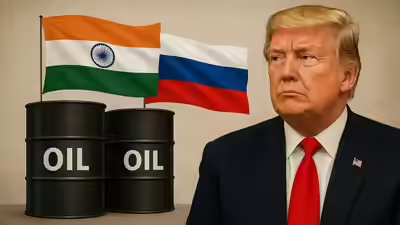
In a fresh escalation of trade tensions, U.S. President Donald Trump has warned that the United States could impose even higher tariffs on Indian goods if New Delhi fails to significantly curb its purchases of Russian oil. Speaking to reporters aboard Air Force One on January 4, 2026, Trump remarked, “We can raise tariffs on them very quickly,” emphasizing his dissatisfaction with India’s continued energy ties to Moscow amid the ongoing Ukraine conflict. Read More:https://theboardroompk.com/us-pakistan-partnership-2025-marks-a-transformational-year/ The warning comes against the backdrop of existing punitive measures. In 2025, the Trump administration doubled tariffs on most Indian imports to 50%, citing India’s role in sustaining Russian revenues through discounted crude purchases. Despite these hefty duties, Indian exports to the U.S. surged in November 2025, showcasing resilience in bilateral trade. However, data indicates a decline in India’s Russian oil imports, reportedly dipping below 1 million barrels per day as New Delhi pushes for weekly disclosures from refiners to monitor sources. India’s Strategic Balancing Act India has long defended its Russian oil imports as essential for energy security and affordability for its 1.4 billion population. Sources indicate that the decline in purchases may be linked to efforts to secure a comprehensive trade deal with Washington, with officials expressing optimism for an agreement by year-end. Prime Minister Narendra Modi has held multiple phone conversations with Trump since the tariffs were imposed, though discussions remain inconclusive.Global Implications and ReactionsTrump praised Modi as a “good guy” who “knew I was not happy,” suggesting personal diplomacy plays a role. The Indian commerce ministry has yet to respond officially, while experts note that sustained high tariffs could strain U.S.-India relations, potentially pushing New Delhi closer to alternative partners. As sanctions on Russia tighten globally, India’s refiners are navigating increased scrutiny, balancing economic needs with geopolitical pressures.