Pakistan

PSX Shatters Records as KSE-100 Surges Past 179,000 Milestone
Pakistan

PSX Shatters Records as KSE-100 Surges Past 179,000 Milestone

The Pakistan Stock Exchange (PSX) continued its unstoppable rally into 2026, with the benchmark KSE-100 Index crossing the historic 179,000 level for the first time on January 2. The index reached an intra-day high of 179,016.88 during the morning session, reflecting unwavering investor confidence amid improving macroeconomic indicators. Broad-Based Buying Across Key Sectors Buying interest remained strong across multiple sectors, including automobile assemblers, cement, commercial banks, fertilisers, oil and gas exploration companies, oil marketing companies (OMCs), power generation, and refineries. Index-heavy stocks such as HUBCO, Attock Refinery (ARL), Mari Petroleum (MARI), Oil and Gas Development Company (OGDC), Pakistan Petroleum (PPL), Pakistan Oilfields (POL), Pakistan State Oil (PSO), Habib Bank (HBL), National Bank (NBP), and United Bank (UBL) traded firmly in positive territory, contributing significantly to the upward push.By midday, the KSE-100 was trading at 178,504.34, marking a gain of 2,148.85 points or 1.22%. This followed a robust close on January 1, where the index added 2,301.17 points to end at 176,355.49, kicking off the new year on a high note. Read More: https://theboardroompk.com/pakistan-stock-exchange-2025-performance-signals-a-historic-turning-point/ The rally is underpinned by easing inflation, with December 2025 headline inflation at 5.6% year-on-year, aligning with Ministry of Finance projections. Stable foreign exchange reserves at around $21 billion further bolster sentiment. Analysts attribute the surge to broad-based institutional buying and optimism over sustained economic stability. Global markets provided a supportive backdrop, with Asian indices posting gains despite holiday-thinned trading. The PSX’s performance highlights Pakistan’s equity market resilience, positioning it as one of the top performers regionally.As bulls dominate, market participants anticipate further milestones, though caution against potential profit-taking in the near term.

CCP Slaps Rs150 Million Fine on Mezan for Copying PepsiCo's Sting Packaging
Pakistan

CCP Slaps Rs150 Million Fine on Mezan for Copying PepsiCo’s Sting Packaging

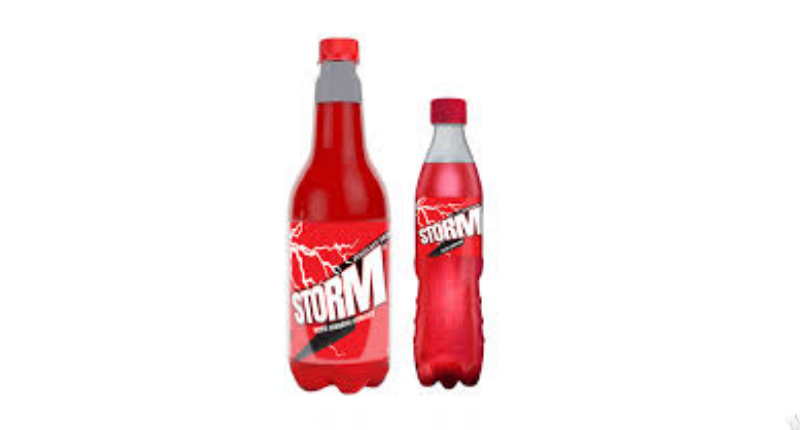
ISLAMABAD, Jan 2: The Competition Commission of Pakistan (CCP) has imposed a penalty of PKR 150 million on Mezan Beverages (Private) Limited. The company was found to have imitated the packaging and trade dress of PepsiCo’s Sting energy drink, thereby engaging in deceptive marketing practices in violation of Section 10 of the Competition Act, 2010.The Commission held that Mezan’s “Storm” energy drink fraudulently copied the overall look, feel, colour scheme, bottle design, and branding elements of Sting, creating a likelihood of consumer confusion at the point of sale. The order concluded that such conduct amounted to parasitic copying and constituted deceptive marketing prohibited under Pakistan’s competition law. Long Legal Battle and Delay Tactics The case dates back to 2018, when PepsiCo Inc. filed a complaint alleging that Mezan’s Storm energy drink was designed to imitate Sting and benefit from PepsiCo’s goodwill.Instead of responding on merits, Mezan repeatedly challenged CCP’s jurisdiction and initiated prolonged litigation. Mezan obtained stay orders from the Lahore High Court in 2018 and 2021, delaying the inquiry for several years.In June 2024, the Lahore High Court dismissed Mezan’s petition, upheld the CCP’s authority, and ruled that early challenges to show-cause notices were not maintainable. The Court also clarified that proceedings under the Competition Act are separate from trademark cases. The Court ruled that challenging a show-cause notice at an early stage was not maintainable and observed that Mezan had used litigation to delay regulatory proceedings. Findings of Deceptive Marketing In its detailed order, the CCP found that Mezan’s Storm energy drink adopted:• A red-dominant colour scheme identical to Sting• Bold, slanted white lettering with aggressive visual motifs• Near-identical bottle shape and presentation• Branding elements likely to mislead an ordinary consumer with imperfect recollection The Commission emphasized that deception is assessed based on the overall commercial impression, not minute differences examined side by side. Even though Mezan held a registered trademark for “Storm,” the CCP ruled that trademark registration does not grant immunity from competition law where consumer deception and passing-off are established.The Commission, while imposing the PKR 150 million penalty, stated that copycat branding and misleading packaging will not be tolerated, regardless of the size or local status of the company.

Daraz Pakistan kicks off 2026 with 1.1 “The #1 Sale” and five days of big savings
Pakistan

Daraz Pakistan kicks off 2026 with 1.1 “The #1 Sale” and five days of big savings

As Pakistan counts down to the New Year, Daraz Pakistan has announced 1.1 ‘The #1 Sale’, a five-day shopping celebration designed to kick off 2026 with standout value across electronics, fashion, beauty, lifestyle and everyday essentials. The sale goes live at 8:00 PM on 31 December 2025 and runs till 5 January 2026, giving customers the chance to start the year by upgrading their homes, refreshing their wardrobes, stocking up on essentials, and ticking off long-awaited wish lists with exciting savings. To make the New Year shopping moment more festive and interactive, Daraz 1.1 will feature platform favourites including Shop & Win and Treasure Chest, alongside Brand Rush Hour, which unlocks time-limited offers from participating brands. Read more: Daraz Pakistan Extends 11.11 Excitement with Big Friday Sale from 21 to 30 November Built around the spirit of new beginnings, Daraz 1.1 brings together platform-wide vouchers, best-value pricing and a wide assortment from leading brands, including LG, TCL, Samsung, Xiaomi, Tecno and Haier Pakistan in electronics and home, alongside Abbott, L’Oreal, Ana & Batla, Saeed Ghani, Golden Pearl Cosmetics, Jenpharm and Philips across health, personal care and beauty. Customers can also shop household and pantry favourites from Nestle, Pepsico, Colgate Palmolive and Olper’s, while exploring fashion and accessories picks from Meclay London Official, J., and Calza during the sale. Daraz 1.1 is supported by payment partners Upaisa, MCB, Askari Bank and Soneri Bank, enabling customers to unlock additional value through partner-backed offers. The sale will also feature 100% authentic products and free delivery offers during the campaign period, supporting a smooth and trustworthy shopping experience as customers step into the New Year. “New Year’s is all about fresh starts, and we want 1.1 to feel like the first celebration of 2026 for our customers,” said a Daraz Pakistan spokesperson. “We have brought together exciting savings, a strong line-up of trusted brands, and a shopping experience that is simple and reliable, so customers can start the year by treating themselves, upgrading their homes, or stocking up on essentials, all with great value and 100% authentic products.” Daraz 1.1 “The #1 Sale” will be live nationwide via the Daraz app and website from 31 December 2025 to 5 January 2026.

Pakistan's FBR Misses Tax Target by Rs336 Billion in First Half of FY26
Pakistan

Pakistan’s FBR Misses Tax Target by Rs336 Billion in First Half of FY26

Islamabad, January 1, 2026 – The Federal Board of Revenue (FBR) has fallen short of its tax collection target for the first half of fiscal year 2025-26 (July-December 2025) by approximately Rs336 billion, according to data from research firm Ismail Iqbal Securities. The chart highlights a cumulative collection of Rs6,154 billion against a revised target of Rs6,490 billion, raising concerns over fiscal performance amid ongoing economic challenges. Persistent Monthly Shortfalls Highlight Structural Issues The bar chart illustrates consistent underperformance across most months in 1HFY26. Notable shortfalls include December 2025 (Rs1,421 billion collected vs. Rs1,446 billion target) and peaks like June 2025 showing a surplus of Rs206 billion. However, deficits in months such as July, August, and November dominated, with figures like Rs673 billion collected in July-24 against higher targets. Analysts attribute this to lower-than-expected inflation, sluggish industrial growth, and reduced imports impacting customs duties. Despite some growth in direct taxes and corporate payments, overall revenue mobilisation remained weak. This marks the continuation of a trend where the FBR has struggled to meet ambitious targets set in consultation with the International Monetary Fund (IMF). Implications for Annual Target and Potential New Measures The Rs336 billion gap in the first half has prompted a downward revision of the full-year FY26 target from around Rs14.13 trillion to Rs13.979 trillion. With the IMF scheduled to review Pakistan’s fiscal indicators soon, experts warn of possible additional tax measures in the coming quarters to bridge the deficit. This could include enhanced enforcement, broader taxation on untaxed sectors, or mini-budgets. The shortfall underscores the need for structural reforms to widen the tax net, improve compliance, and boost economic activity. While collections showed year-on-year growth in some areas, sustained shortfalls risk widening the fiscal deficit and straining debt servicing obligations. Policymakers face pressure to balance revenue needs with growth stimulation in a low-inflation environment.

Pakistan Railways Freight Sector Generates Rs17 Billion in First Half of FY2025-26
Pakistan

Pakistan Railways Freight Sector Generates Rs17 Billion in First Half of FY2025-26

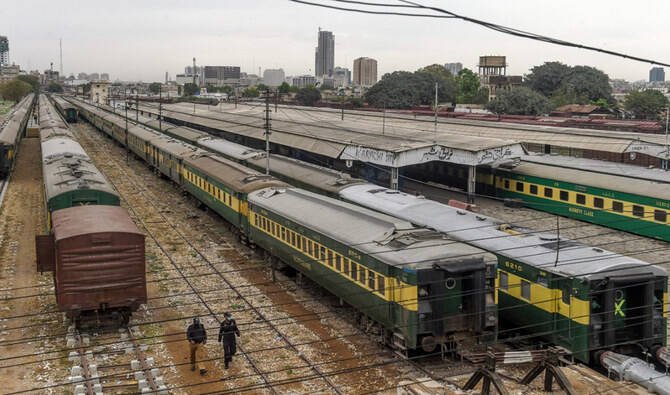
Pakistan Railways (PR) achieved a significant milestone by earning over Rs17 billion in freight revenue during the first six months of Fiscal Year 2025-26, as announced on January 1, 2026. This robust performance highlights the department’s effective strategies in boosting cargo operations, contributing substantially to overall financial recovery. Notably, despite disruptions from several days of strikes, the freight sector alone generated more than Rs3 billion in November and December combined, demonstrating resilience and operational stability. Read More: https://theboardroompk.com/pakistan-railways-sanitation-upgrade-marks-a-turning-point/ Optimistic Projections and Comprehensive Reforms Ahead Federal Minister for Railways Muhammad Hanif Abbasi commended the management, stating that sustained momentum could push annual freight revenue beyond Rs38 billion by fiscal year-end. He expressed confidence in PR becoming the first national institution to reach Rs1 trillion in total revenue by 2026—a historic target. Future initiatives include phased upgrades of all trains by end-2026 for enhanced safety and comfort, complete CCTV installation, full digitalization, and modernized Railway Police training. Measures against ticketless travel, smuggling, and theft, along with transparent recruitment, have bolstered performance. The minister reaffirmed commitment to transforming PR into a financially strong, passenger-friendly, secure, and modern entity through accelerated reforms.

Pakistan Mobile Imports Hit $801M with 40% Growth, Local Production Thrives
Pakistan

Pakistan Mobile Imports Hit $801M with 40% Growth, Local Production Thrives

The Pakistan Bureau of Statistics reported a robust 40.51% increase in mobile phone imports for July-November 2025-26, totaling $801.139 million against $570.184 million in the same period last year. This translates to a significant jump in value, driven by easing import policies and growing market demand. Monthly data for November 2025 showed imports at $156.565 million, up from previous months and reflecting sustained momentum. The figures underscore a recovery in consumer spending on electronics following previous years’ constraints. Read More: https://theboardroompk.com/foreign-branded-phones-surge-in-china-shipments-more-than-double-in-november/ Implications for Economy and Local Industry While imports have risen sharply, local manufacturing remains a success story, with plants assembling 25.11 million units from January to October 2025, including 13.2 million smartphones. Commercial imports in volume are minimal, suggesting much of the import value comprises components (CKD/SKD kits) for local assembly rather than finished phones. This explains lower State Bank-recorded payments ($104.5 million for July-November). The trend supports job creation in domestic production but raises concerns over foreign exchange outflow. Experts view the surge positively as a sign of economic normalization, potentially boosting digital penetration, though balanced with efforts to further localize high-value components.

Pakistan's Headline Inflation Stands at 5.6% in December 2025
Pakistan

Pakistan’s Headline Inflation Stands at 5.6% in December 2025

According to data released by the Pakistan Bureau of Statistics (PBS) on January 1, 2026, headline Consumer Price Index (CPI) inflation stood at 5.6% on a year-on-year (YoY) basis in December 2025. This marks a decrease from 6.1% recorded in November 2025, offering relief amid ongoing economic stabilization efforts. However, it remains higher than the 4.1% registered in December 2024. On a month-on-month (MoM) basis, CPI fell by 0.4%, driven primarily by lower prices of perishable food items. Urban CPI inflation was 5.8% YoY (down from 6.1% in November), with a 0.4% MoM decline, while rural CPI stood at 5.4% YoY (down from 6.3%), showing a sharper 0.6% MoM drop. The Sensitive Price Indicator (SPI) eased to 2.5% YoY, and the Wholesale Price Index (WPI) further moderated to 0.6% YoY, reflecting subdued wholesale pressures. Core Inflation Trends and Broader Implications Core inflation, excluding volatile food and energy items (NFNE), presented a mixed picture: urban core rose slightly to 6.9% YoY from 6.6% in November, indicating persistent underlying pressures in non-food sectors, while rural core edged down to 8.1%. The monthly decline in headline CPI was largely attributed to falling perishable food prices, which dropped 1.7% MoM across urban and rural areas. This moderation aligns with government policies aimed at price stability, though analysts note that inflation for 2025 averaged low single digits, the lowest in a decade. The State Bank of Pakistan’s recent rate cuts reflect confidence in cooling pressures, but elevated core rates suggest caution against premature easing, as highlighted by IMF observations.

Pakistan Foreign Exchange Reserves Show Weekly Stability as SBP Holdings Rise
Pakistan

Pakistan Foreign Exchange Reserves Show Weekly Stability as SBP Holdings Rise

Pakistan foreign exchange reserves recorded a marginal but positive movement during the final week of December 2025, with the State Bank of Pakistan (SBP) reporting a modest increase in its holdings despite an overall decline in total national reserves. The latest data highlights improving long-term trends in Pakistan’s external position, even as short-term pressures remain visible in commercial bank reserves. According to figures released by the State Bank of Pakistan, SBP-held foreign exchange reserves increased by $12.6 million, or 0.08 percent week-on-week, reaching $15.92 billion for the week ended December 26, 2025. Pakistan Foreign Exchange Reserves: Weekly Snapshot While SBP reserves showed improvement, Pakistan’s total liquid foreign exchange reserves declined slightly during the same period. Total reserves fell by $10.4 million, or 0.05 percent, settling at $21.01 billion. This decline was largely driven by a reduction in reserves held by commercial banks, which dropped by $23 million, or 0.45 percent, to $5.1 billion. The contrast between central bank gains and commercial bank outflows underscores the uneven distribution of foreign currency liquidity within the financial system. In simple terms, the central bank strengthened its reserve buffer, while banks experienced routine foreign exchange movements linked to trade financing, repayments, and private sector obligations. Strong Fiscal Year Recovery in Pakistan Foreign Exchange Reserves Despite short-term fluctuations, Pakistan foreign exchange reserves have posted a strong recovery during the current fiscal year. Since the start of FY2025, SBP-held reserves have risen by $6.85 billion, representing a robust 75.58 percent increase. This improvement reflects a combination of: • Multilateral and bilateral inflows• Improved current account management• External financing arrangements• Stabilization measures under economic reform programs On a calendar-year basis, SBP reserves have increased by $4.2 billion, or 35.9 percent, highlighting sustained momentum throughout 2025. Monthly Trend: Pakistan Foreign Exchange Reserves in November 2025 The SBP’s monthly data further reinforces the positive trend. In November 2025, SBP-held foreign exchange reserves increased by $85.9 million, rising to $14.59 billion from $14.50 billion in October 2025. On a year-on-year basis, SBP reserves recorded a significant jump of $2.55 billion, or 21.19 percent, compared to $12.04 billion in November 2024. This annual growth reflects a notable strengthening of Pakistan’s external buffers amid ongoing economic adjustments. Commercial Banks and Total Reserves: Mixed Signals While central bank reserves improved, net foreign reserves held by commercial banks declined on a monthly basis. In November 2025, bank-held reserves stood at $4.55 billion, down by $122.8 million from the previous month. However, when viewed annually, commercial bank reserves were still higher by $457.7 million, or 11.19 percent, compared to November 2024. This indicates that while monthly volatility persists, the broader trajectory remains positive. As a result of these movements, Pakistan’s total liquid foreign exchange reserves at the end of November 2025 stood at $19.14 billion, slightly lower than October levels but 18.66 percent higher year-on-year, translating into an annual increase of over $3 billion. Fiscal Year Perspective: A Broader Recovery Story Looking at the longer-term fiscal trend, Pakistan foreign exchange reserves have recovered significantly since early 2025. From a low of $15.6 billion in January 2025, total reserves improved by $3.54 billion, marking a 22.71 percent increase over ten months. This steady recovery highlights improving external sector management and reinforces confidence in Pakistan’s ability to meet near-term foreign obligations, support import financing, and stabilize the exchange rate environment. Outlook for Pakistan Foreign Exchange Reserves While short-term fluctuations remain inevitable, the overall trend in Pakistan foreign exchange reserves points toward gradual stabilization. Continued fiscal discipline, export growth, and sustained external inflows will be critical to maintaining this momentum into 2026. For policymakers and investors alike, the steady rise in SBP-held reserves provides reassurance, even as vigilance remains necessary to manage pressures in the broader financial system.

FIA Islamabad Zone Cracks Down on Corruption: Recovers Rs110.25m, Convicts 64 in 2025
Pakistan

FIA Islamabad Zone Cracks Down on Corruption: Recovers Rs110.25m, Convicts 64 in 2025

The Federal Investigation Agency’s (FIA) Anti-Corruption Circle (ACC) in Islamabad Zone marked a productive year in 2025, demonstrating robust efforts to curb corruption in federal departments. The circle finalised 485 inquiries while registering 389 new ones based on public and institutional complaints. It lodged 122 criminal cases, completed investigations in 67, and submitted challans to courts. Notably, 132 accused individuals were arrested, and through rigorous enforcement, the agency recovered Rs110.25 million from corrupt practices. These figures underscore the FIA’s proactive stance in addressing graft at various levels. Landmark Convictions Including High-Profile Cases In a highlight of effective prosecution, the FIA secured convictions against 64 accused in 20 separate cases, achieving a strong conviction rate. Among the significant verdicts was the December 20, 2025, sentencing of former Prime Minister Imran Ahmed Niazi and Bushra Imran to 17 years’ imprisonment each, along with fines of Rs16.425 million each, in the Toshakhana-II reference. Other notable sentences included Qamer Zaman’s 27-year term with a Rs2 million fine (April 2025), Hamid Jalil’s 29 years and Rs20 million fine, and Nasim Masih’s 17 years with a Rs100 million fine (July 2025). An FIA official emphasised that these outcomes reflect the agency’s commitment, professionalism, and resolve to ensure accountability within federal institutions. Overall, the 2025 performance highlights FIA’s intensified fight against corruption, sending a clear message of zero tolerance.

Scroll to Top