Pakistan

OGDC Announces Third Consecutive Discovery: 3,100 BOPD at Baragzai X-01 in Nashpa Block
Pakistan

OGDC Announces Third Consecutive Discovery: 3,100 BOPD at Baragzai X-01 in Nashpa Block

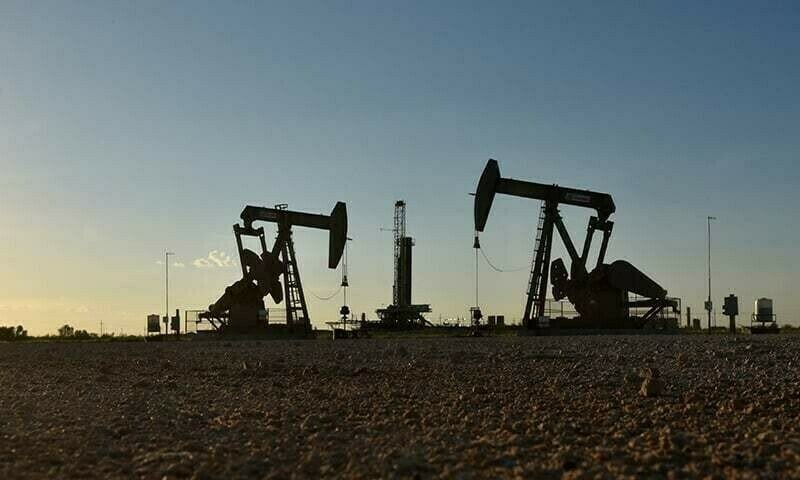
ISLAMABAD: Oil and Gas Development Company Limited (OGDC), the operator of the Nashpa Exploration License, on Tuesday announced another major oil and gas discovery at its exploratory well Baragzai X-01 (Slant), located in Kohat district of Khyber Pakhtunkhwa. Read More: https://theboardroompk.com/government-quietly-jacks-up-petroleum-levy-by-rs24-to-record-rs84-27-ltr/ The discovery has been made over the Samana Suk and Shinawari formations. The well tested positive during Cased Hole Drill Stem Test (CHDST-03) in the Samana Suk and Shinawari formations, flowing 3,100 barrels of oil per day (BOPD) and 8.15 million standard cubic feet per day (MMSCFD) of gas through a 32/64-inch choke at a wellhead flowing pressure of 3,010 pounds per square inch gauge (PSIG). The latest find at the Nashpa Block is OGDC’s third discovery within a one month duration. Cumulatively, the company has discovered 9,480 barrels of oil per day during this period, representing approximately 14.5 percent of Pakistan’s current domestic crude oil production. Baragzai X-01 (Slant) was spudded on December 30, 2024, as an exploratory well to evaluate the hydrocarbon potential of multiple formations, including Lockhart, Hangu, Lumshiwal, Samana Suk, Shinawari, Datta, and Kingriali. The well was successfully drilled to a total depth of 5,170 metres into the Kingriali Formation. Earlier, based on wireline log evaluations, two cased-hole drill stem tests were conducted in the Kingriali and Datta formations, both of which also resulted in oil and gas discoveries. The new discovery will contribute towards mitigating the energy supply–demand gap through indigenous resources and will add to the hydrocarbon reserves base of OGDC, its joint venture partners, and the country as a whole. OGDC reaffirmed its commitment to accelerating exploration activities and responsibly developing the country’s energy resources to support national energy security and economic growth.

Gold Hits New Record High in Pakistan: Per Tola Reaches Rs493,662 with Rs4,300 Gain
Pakistan

Gold Hits New Record High in Pakistan: Per Tola Reaches Rs493,662 with Rs4,300 Gain

Gold prices in Pakistan surged to a fresh all-time high on Tuesday, January 20, 2026, mirroring strong gains in the international bullion market. According to the All-Pakistan Gems and Jewellers Sarafa Association (APGJSA), the price of 24-karat gold per tola climbed by Rs4,300 to reach Rs493,662, marking a new record level. Similarly, the rate for 10 grams of gold increased by Rs3,686 to Rs423,235. Read More: https://theboardroompk.com/gold-price-in-pakistan-declines-as-market-sentiment-softens/ This upward movement followed Monday’s sharp rise of Rs7,500 per tola to Rs489,362, highlighting a consistent bullish trend in recent days. Internationally, spot gold rose by $43 to $4,713 per ounce, with a premium of $20 noted in some trading. Bullish Momentum from Global Factors The local surge was directly aligned with international gold’s performance, where prices continued to benefit from factors such as expectations of lower interest rates globally, safe-haven demand amid geopolitical uncertainties, and a relatively softer US dollar in recent sessions. Traders observed that the precious metal has been on an upward trajectory for several days, breaking previous records repeatedly. This momentum has pushed Pakistani gold prices close to the significant psychological barrier of Rs500,000 per tola, fuelling interest among investors and jewellers alike. Silver also saw gains, rising by Rs87 to Rs9,869 per tola, reflecting broader precious metals strength. The consistent increases have been driven by robust global demand, with gold futures and spot prices hitting multi-year or record highs in response to macroeconomic signals. Implications for Local Market and Investors In the domestic context, the rapid appreciation has implications for buyers, including those planning weddings or investments, as higher prices make purchases more expensive amid already elevated inflation concerns. Jewellers reported increased inquiries but cautious buying due to the volatility. Analysts suggest that if international trends persist—particularly with ongoing central bank policies favouring rate stability—local rates could test or surpass Rs500,000 soon. However, any reversal in global sentiment could lead to corrections. Overall, the rally underscores gold’s enduring appeal as a hedge in uncertain times, with Pakistan’s market closely tracking worldwide movements.

Pakistan to Save $17 Billion by Scrapping 8,000 MW Expensive Electricity Procurement
Pakistan

Pakistan to Save $17 Billion by Scrapping 8,000 MW Expensive Electricity Procurement

The Pakistani government has decided to abandon the procurement of approximately 8,000 megawatts of expensive electricity, a strategic move projected to generate savings of nearly USD 17 billion, according to Federal Minister for Power Sardar Awais Ahmed Khan Leghari. Read More: https://theboardroompk.com/pakistan-poised-for-lng-revival-in-2026-as-global-prices-dip-exporters-hope-amid-domestic-challenges/ Speaking at a news conference on Sunday, the minister emphasized that the decision was taken purely on merit to alleviate financial pressures on the power sector and the federal government. This step forms part of broader reforms aimed at curbing inefficiencies, with losses incurred by distribution companies (DISCOs) currently absorbed by the government rather than passed directly to consumers. The announcement comes amid ongoing efforts to stabilize the energy sector, reduce circular debt, and provide relief through lower tariffs. Power Sector Reforms and Financial Gains Significant progress has already been reported under these reforms. Losses in the power distribution system have dropped from Rs 586 billion to Rs 393 billion, while recoveries have improved by Rs 183 billion. Circular debt, a longstanding burden, declined by Rs 780 billion in the previous year. The minister highlighted that abandoning the costly 8,000 MW procurement will prevent additional strain on public finances, freeing resources for other priorities. These measures align with comprehensive changes to enhance efficiency, boost collection rates, and minimize wasteful expenditure in the sector. Path to Affordable and Competitive Electricity Power tariffs have already been reduced by 20 percent nationally over the last two years, offering some respite to households and industries. Looking ahead, the government, under Prime Minister Shehbaz Sharif’s leadership, aims to bring electricity prices in line with international rates within the next 18 months. The minister stressed that these reforms prioritize merit-based decisions to ensure sustainable, affordable energy. While specific details on the abandoned projects (such as fuel types or plants) were not outlined, the focus remains on retiring or shifting away from high-cost sources to foster long-term economic stability and consumer relief.

Government Quietly Jacks Up Petroleum Levy by Rs24 to Record Rs84.27/ltr
Pakistan

Government Quietly Jacks Up Petroleum Levy by Rs24 to Record Rs84.27/ltr

Islamabad – January 17, 2026: Despite significant declines in ex-refinery prices (Petrol down Rs32.33/ltr and High-Speed Diesel down Rs25.06/ltr since March 2025), the government has substantially increased the Petroleum Development Levy (PDL) — pushing it to Rs84.27/ltr on MS (petrol) and Rs76.21/ltr on HSD (diesel). Read More: https://theboardroompk.com/pakistan-large-scale-manufacturing-growth-sparks-new-optimism-across-industries/ According to a detailed analysis by Arif Habib Limited, this strategy has allowed retail prices to remain relatively stable (currently Rs253.17/ltr for petrol and Rs257.08/ltr for diesel as of mid-January 2026) while significantly boosting government revenue. Half-year collections have already reached ~Rs748.5 billion toward the ambitious full-year FY26 target of Rs1,468 billion, putting the government broadly on track for one of the highest-ever petroleum levy hauls.Headline: Smart Revenue Play: Falling Global Oil Prices Used to Fund Rs1,468 Billion FY26 Levy Target While international oil prices and local ex-refinery costs have trended downward for most of 2025–2026, the government has utilized this space to sharply raise the Petroleum Development Levy — up from the earlier baseline of Rs60/ltr to current levels of Rs84.27/ltr (petrol) and Rs76.21/ltr (diesel). Market experts at Arif Habib Limited highlight this as a deliberate fiscal move that cushions retail prices from global volatility while accelerating non-tax revenue collection — critical for meeting IMF-aligned fiscal targets and funding the budget without direct pump-price shocks.

Pakistan's Tractor Sales Plunge to Two-Decade Low in 2025 Amid Farm Distress
Pakistan

Pakistan’s Tractor Sales Plunge to Two-Decade Low in 2025 Amid Farm Distress

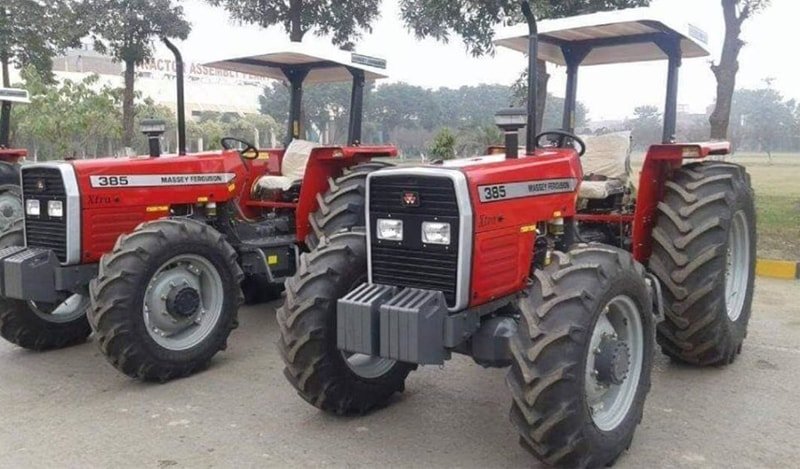
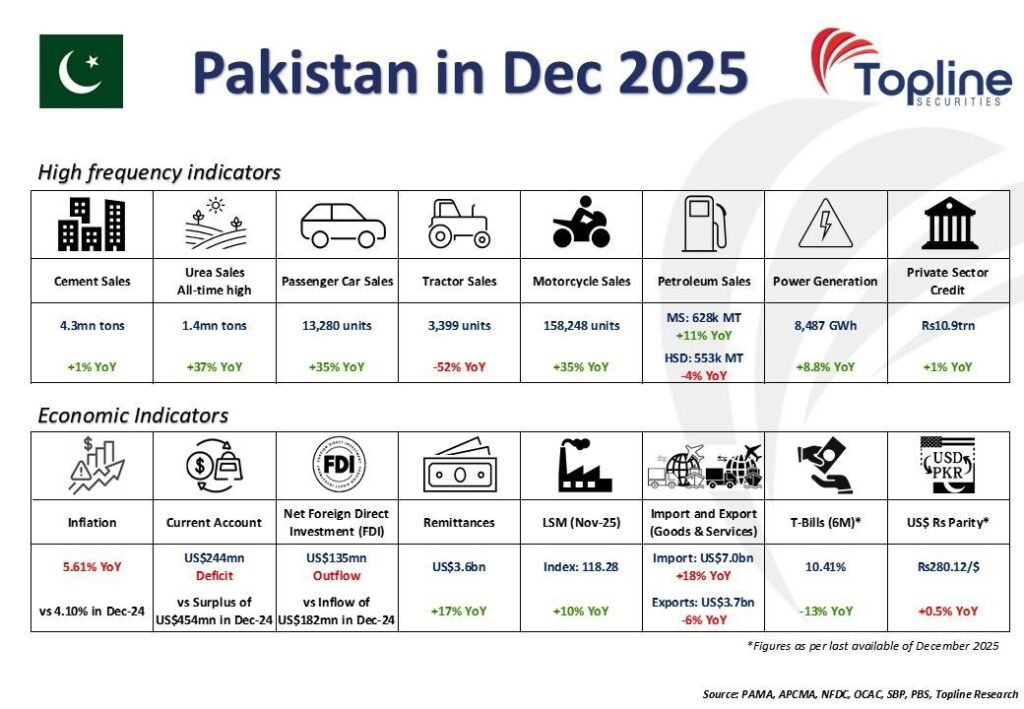
Pakistan’s tractor industry endured one of its most challenging years in nearly two decades during calendar year 2025, with sales plummeting to levels not seen since the early 2000s.Data compiled by Topline Securities from the Pakistan Automotive Manufacturers Association (PAMA) indicates that annual tractor sales reached only 24,724 units in 2025. Read More: https://theboardroompk.com/agriculture-lab-on-wheels-punjab-transforming-farm-services-through-mobile-innovation/ This represents a steep decline from 39,480 units in 2024 and significantly lower than peak years such as 66,060 units in 2017.The sharp downturn reflects severe distress in Pakistan’s agrarian sector, which remains the backbone of the economy, employing a large portion of the population and contributing substantially to GDP. Underlying Causes of the Sales Collapse Weak farm economics were the primary driver behind the subdued demand. Farmers grappled with persistently low prices for major crops including wheat, rice, cotton, and sugarcane, often failing to cover production costs amid global commodity fluctuations and domestic market pressures. Input costs surged for fertilizers, pesticides, diesel, and other essentials, squeezing already thin profit margins.High inflation throughout much of 2025 eroded rural purchasing power, while limited access to affordable credit and high financing costs made large capital investments like tractors out of reach for small and medium-scale farmers. Economic uncertainty, including currency volatility and policy inconsistencies, further discouraged purchases. Industry reports highlight that mechanization levels in Pakistan lag far behind regional and global averages, with low horsepower availability per cultivated acre hindering productivity gains and exacerbating the cycle of low incomes. Broader Industry and Economic Impact The tractor sector’s slump had ripple effects across the supply chain. Local manufacturers, including major players like Millat Tractors (Massey Ferguson) and Al-Ghazi Tractors (New Holland/Fiat), faced reduced production, idle capacity, and pressure on employment. The industry supports thousands of direct jobs and an extensive network of vendors and dealers in rural areas. Delayed mechanization also threatened long-term agricultural output, food security, and export potential in a country where agriculture accounts for a significant share of economic activity. Earlier in 2025, reports noted sales in fiscal year 2024-25 hitting a 22-year low of around 29,192 units, underscoring a prolonged crisis that carried into the calendar year. Signs of Hope and Projections for 2026 Analysts remain cautiously optimistic about a turnaround in 2026. Topline Securities projects tractor sales to rebound by 15–20%, driven by gradually improving farm economics. Expectations include stabilization or modest recovery in crop prices, continued easing of inflation, and potentially lower interest rates that could improve credit availability for farmers. Government initiatives—such as targeted subsidies for agricultural machinery, better rural financing schemes, and policies to support mechanization—could provide additional momentum. Recent trends in the broader auto sector, including stronger passenger vehicle and two-wheeler sales in late 2025 due to macroeconomic improvements, suggest a favorable environment may extend to tractors. However, sustained recovery will hinge on consistent policy support, resolution of input cost pressures, and broader rural development efforts. The 2025 performance serves as a stark reminder of the vulnerabilities in Pakistan’s agriculture-dependent economy and the urgent need for structural reforms to boost farm profitability and mechanization.

Pakistan's 5G Push: Zong Introduces Diverse ZTE Devices with Inclusive Financing
Pakistan

Pakistan’s 5G Push: Zong Introduces Diverse ZTE Devices with Inclusive Financing

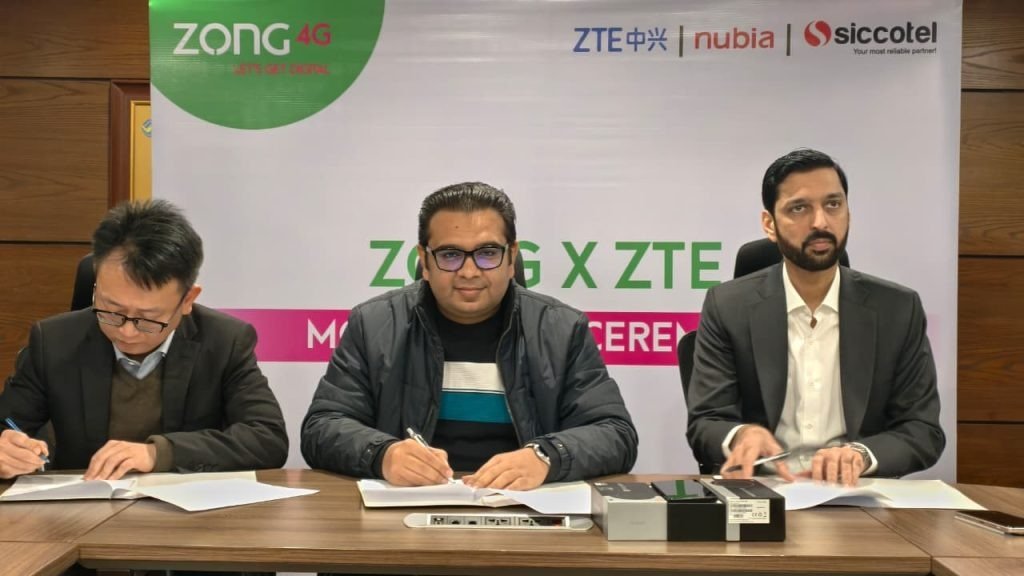
Zong, Pakistan’s leading digital services provider, has entered into a strategic Memorandum of Understanding (MoU) with global technology giant ZTE Corporation and its authorized distributor Siccotel. Read More: https://theboardroompk.com/power-generation-slows-in-november-as-energy-mix-shifts-to-cheaper-sources/ The partnership, announced on January 16, 2026, aims to accelerate the adoption of 5G technology across the country by expanding access to affordable and advanced smartphones. This collaboration focuses on introducing a wider range of 5G-enabled devices, innovative financing options, and bundled services to make next-generation connectivity more inclusive for Pakistani users, aligning with the national goal of building a fully digital Pakistan. Broadening Device Accessibility for All Segments The core of the agreement lies in diversifying Zong’s smartphone portfolio through ZTE’s offerings. This includes entry-level 5G handsets for budget-conscious consumers, mid-to-high-tier models for mainstream users, and specialized gaming-focused devices tailored to tech-savvy youth and high-performance needs. By leveraging Siccotel’s strong distribution network, these devices will reach a broader audience nationwide. The initiative addresses the current gap in smartphone penetration and 5G readiness, ensuring that advanced technology is not limited to premium segments but becomes available to everyday Pakistanis. This move is expected to drive higher adoption rates as 5G networks prepare for commercial rollout. Empowering Digital Transformation and Innovation Sajid Munir, Head of Marketing at Zong, emphasized the partnership’s significance: “This represents a major step in Zong’s strategic direction to accelerate Pakistan’s digital transformation. With 5G on the horizon and smartphone penetration still evolving, it is critical to ensure that advanced technology is both accessible and affordable.” The collaboration combines cutting-edge hardware, flexible payment solutions, and value-added service bundles to foster greater participation in the digital economy. It promises to unlock new opportunities in connectivity, innovation, and engagement, supporting emerging applications like IoT, gaming, and smart services while contributing to a more connected and progressive Pakistan.

Mahmood Khan Achakzai Notified as Leader of Opposition in National Assembly on PTI Nomination
Pakistan

Mahmood Khan Achakzai Notified as Leader of Opposition in National Assembly on PTI Nomination

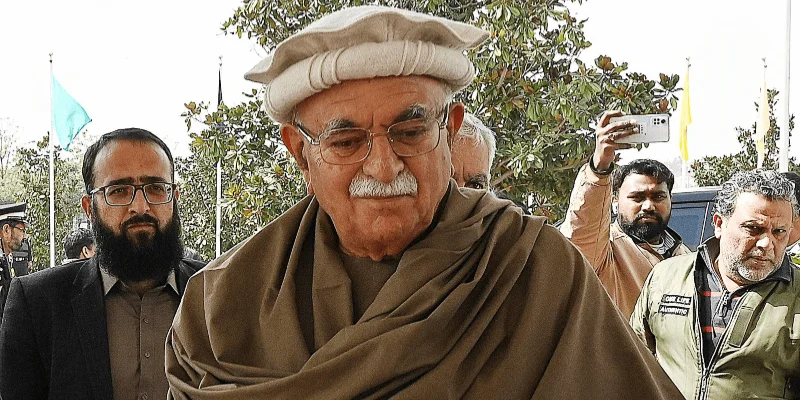
The National Assembly Secretariat has officially notified Mahmood Khan Achakzai, a prominent Member of the National Assembly (MNA) and senior parliamentarian, as the Leader of the Opposition in the lower house of parliament. Read More: https://theboardroompk.com/pakistan-freezes-gas-prices-for-six-months-to-provide-winter-relief/ The notification, issued on January 16, 2026, under Rule 39 of the Rules of Procedure and Conduct of Business in the National Assembly, 2007, was approved by Speaker Sardar Ayaz Sadiq and took immediate effect. Achakzai, who heads the Pashtunkhwa Milli Awami Party (PkMAP) and leads the opposition alliance Tehreek Tahafuz Ayeen-i-Pakistan (TTAP), assumes this key constitutional role after months of vacancy following the disqualification of the previous holder, PTI’s Omar Ayub, in August 2025. End to Prolonged Vacancy and Political Negotiations The position had remained unfilled for nearly five months amid shifting parliamentary dynamics and opposition coordination. Achakzai’s nomination was backed by a significant number of opposition members—reportedly 76 signatures—and formally proposed by PTI founder Imran Khan, with PTI Chairman Barrister Gohar Ali Khan confirming the submission of papers. After verification and no competing nominations, the Speaker finalized the appointment following recent meetings with opposition representatives. This development resolves ongoing discussions in political circles and restores structured parliamentary oversight from the opposition benches. Significance for Opposition Role and Democratic Oversight As Leader of the Opposition, Achakzai will play a pivotal constitutional function, including consultation on major state appointments, leading parliamentary debates, and ensuring government accountability. Known for advocating democratic rights, constitutionalism, and federalism, his leadership is expected to strengthen opposition unity within the TTAP alliance, which includes PTI and other groups. The appointment comes at a critical time for Pakistan’s political landscape, potentially enhancing checks and balances in the National Assembly while fostering greater engagement on national issues. It marks a milestone for smaller parties like PkMAP in securing influential roles at the federal level.

KSE-100 Index Climbs 3,642 Points as Market Optimism Prevails
Pakistan

KSE-100 Index Climbs 3,642 Points as Market Optimism Prevails

The KSE-100 Index concluded Friday’s trading session at 185,098.83 points, marking a remarkable 2.01% increase (+3,642.50 points). Investors’ confidence remained high throughout the day, with the index hitting an intraday high of 185,208.98 (+3,752.65) and a low of 182,559.69 (+1,103.36) points. Market sentiment was bolstered by the federal government’s decision to maintain current fuel prices for the fortnight starting January 16, 2026. High-Speed Diesel remains at Rs257.08 per litre, while petrol continues at Rs253.17 per litre, providing relief to both businesses and consumers. Global Developments Add to KSE-100 Index Momentum Internationally, fears of a US-Iran confrontation that had previously rattled markets eased as Washington scaled back its military presence in the Middle East. This reduction in geopolitical tension played a significant role in supporting the KSE-100 Index, highlighting the growing sensitivity of local markets to global developments. Trading Overview: Gains, Losers, and Market Volume The total volume traded on the KSE-100 Index reached 381.92 million shares. Out of 100 index companies, 89 closed higher, 11 fell, and none remained unchanged. Top Gainers: • THALL: +10.00%• JVDC: +10.00%• OGDC: +6.75%• PPL: +5.96%• PKGS: +5.57% Top Losers: • MEHT: -3.22%• KAPCO: -1.24%• UPFL: -1.20%• GADT: -1.05%• PIOC: -0.92% Index Contribution Highlights: • OGDC: +457.09 points• PPL: +339.24 points• HUBC: +219.60 points• ENGROH: +187.38 points• FFC: +185.86 points Meanwhile, the companies pulling the index lower included POL (-13.90 pts), PIOC (-13.20 pts), and MEHT (-8.16 pts). Sector-Wise Performance Driving KSE-100 Index Several sectors led the market’s upward momentum: • Oil & Gas Exploration Companies: +886.47 points• Commercial Banks: +800.78 points• Fertilizer: +345.51 points• Power Generation & Distribution: +235.59 points• Investment Banks / Securities Companies: +211.72 points Conversely, the index saw minimal drag from: • Textile Spinning: -1.04 points• Sugar & Allied Industries: -0.61 points This sector-level performance reflects a strong underlying market breadth, indicating broad investor participation rather than concentration in a few high-profile stocks. Broader Market Snapshot The All-Share Index closed at 111,509.34 points, up 2,327.02 points (+2.13%). Market turnover surged to 959.53 million shares, compared to 820.03 million in the previous session. Traded value reached Rs69.46 billion, showing a substantial increase of Rs23.49 billion.There were 451,058 trades across 482 companies, with 334 closing up, 117 closing down, and 31 unchanged. Top Ten Stocks by Volume: KSE-100 Index Shows Strong Year-to-Date Performance The KSE-100 Index has recorded substantial growth over the fiscal year, gaining 59,472 points (+47.34%), while posting a 6.35% increase (+11,045 points) in the current calendar year. This growth highlights resilient market dynamics and investor confidence amid both domestic and global economic factors. Key Takeaways • Fuel price stability continues to boost market sentiment.• Sector-led gains in Oil & Gas, Banks, and Fertilizers drove index performance.• Global geopolitical easing positively impacted investor confidence.• Broader market volumes and traded value surged, reflecting active participation. Investors will likely watch the KSE-100 Index closely in the coming sessions as markets digest domestic policy cues and international developments.

SBP Launches WE-Finance Code to Empower Women Entrepreneurs in Pakistan
Pakistan

SBP Launches WE-Finance Code to Empower Women Entrepreneurs in Pakistan

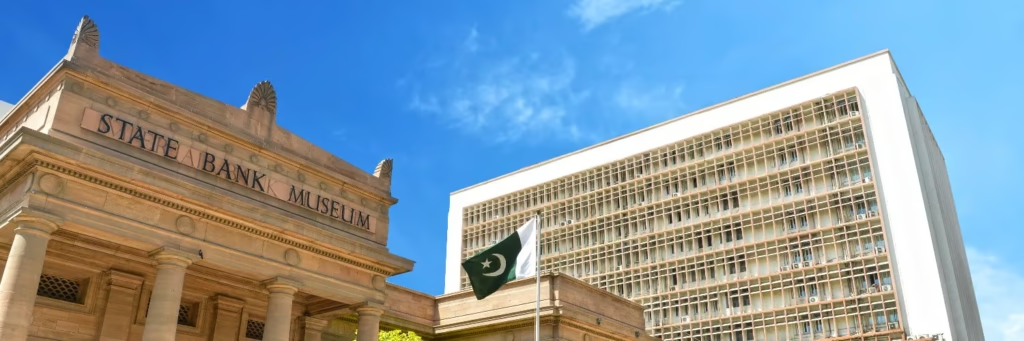
The State Bank of Pakistan (SBP) has officially kicked off the implementation of the WE-Finance Code, a bold initiative designed to empower women entrepreneurs and transform their access to finance across the nation. The move marks a critical step in Pakistan’s journey toward inclusive economic growth, creating pathways for women-led businesses to thrive in both conventional and digital financial ecosystems. Read More: https://theboardroompk.com/pakistan-poised-for-lng-revival-in-2026-as-global-prices-dip-exporters-hope-amid-domestic-challenges/ “We are building pathways that ensure women entrepreneurs can fully participate in and contribute to Pakistan’s economic growth,” said Mr. Saleem Ullah, Deputy Governor of SBP, at the inaugural Women Entrepreneurship Finance (WE-FI) Code Consultative Workshop. This milestone aligns with SBP’s Strategic Plan 2028, emphasizing financial inclusion, gender equality, and sustainable development. Understanding the WE-Finance Code: A Game-Changer for Women Entrepreneurs Adopted on July 7, 2025, the WE-Finance Code addresses structural barriers that have historically limited women entrepreneurs from accessing formal credit. Its framework is action-oriented, aiming to: • Expand financial access for women-led businesses• Promote gender-intelligent product innovation• Strengthen credit appraisal mechanisms tailored to women-led MSMEs SBP leads a coalition of 23 financial institutions covering conventional, Islamic, and microfinance banks along with the Pakistan Banks Association (PBA). Together, they are committed to operationalizing the Code across Pakistan’s financial sector. Workshop Highlights: Driving Action Through Collaboration To officially launch the implementation, SBP and the Asian Development Bank (ADB) hosted a two-day Consultative Workshop in Islamabad, bringing together banks, regulators, and development partners. The workshop focused on: Participants also reviewed existing gaps in women’s financial inclusion and formulated a forward-looking National Action Plan under the WE-Finance Code. The discussions emphasized market segmentation for women, portfolio strategies focused on women-led MSMEs, and reinforcing institutional commitment through the WE-Finance Code Charter. Expanding the Coalition: Roadshows and Policy Dialogues Prior to the workshop, SBP and ADB officials conducted a WE-FI Code Roadshow, engaging key stakeholders beyond the financial sector. Strategic dialogues were held with: • Securities and Exchange Commission of Pakistan (SECP)• Pakistan Telecommunication Authority (PTA)• Small and Medium Enterprises Development Authority (SMEDA) These discussions aimed to strengthen policy coordination, enhance inter-agency collaboration, and build a robust national coalition supporting the WE-Finance Code. Through these efforts, SBP is ensuring that the initiative not only reforms banking practices but also accelerates women-led entrepreneurship, ultimately fueling sustainable economic growth. The Road Ahead: A Transformative Shift for Pakistan With the WE-Finance Code now in motion, Pakistan stands at the threshold of a transformative financial revolution. Women entrepreneurs long constrained by structural and institutional barriers can expect: • Greater access to credit and financial services• Innovative products tailored to their business needs• Enhanced support through digital finance initiatives By driving these initiatives, SBP is not only fostering financial inclusion but also creating an ecosystem where women-led businesses can thrive, contributing meaningfully to Pakistan’s economic growth and sustainability goals.

Scroll to Top