Opinion

Safety Isn't a Burden—It's Survival: Why Gul Plaza & Baldia Remind Us of the Real Cost of Cutting Corners
Opinion

Safety Isn’t a Burden—It’s Survival: Why Gul Plaza & Baldia Remind Us of the Real Cost of Cutting Corners

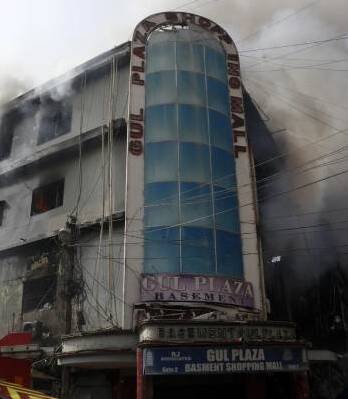
Karachi: As rescue teams continue sifting through the smoldering ruins of Gul Plaza on M.A. Jinnah Road, the death toll has climbed to at least 14–19 people, with over 60 still missing and dozens injured. The massive fire, which erupted late Saturday night and raged for nearly 36 hours before being brought under control, has devastated a beloved multi-story shopping hub housing around 1,200 shops selling everything from garments and cosmetics to plastics and household goods. Read More: https://theboardroompk.com/karachis-gul-plaza-inferno-death-toll-hits-14-dozens-still-missing-after-36-hour-blaze/ Thick smoke trapped victims inside due to poor ventilation, blocked exits, and the rapid spread fueled by highly flammable stock. Officials suspect a faulty circuit breaker or electrical short circuit as the cause, with investigations ongoing amid reports of outdated wiring and inadequate safety measures. This heartbreaking scene echoes one of Pakistan’s darkest industrial tragedies: the 2012 Baldia Town factory fire at Ali Enterprises. That inferno claimed 259–289 lives (mostly workers trapped by locked exits, barred windows, and absent firefighting equipment) and injured hundreds more. The blaze, possibly sparked by a faulty generator or electrical fault, spread unchecked through garment and plastic materials in a building riddled with violations—unregistered workers, no fire drills, blocked escape routes, and zero sprinklers or alarms. Investigations revealed a pattern of negligence: safety compliance was skipped to cut costs in a competitive export-driven sector, turning a potential minor incident into mass fatalities from smoke inhalation, burns, and stampedes. In both cases, the mindset that fire safety or ever overall safety is a “financial burden” proved fatally wrong. Basic precautions—certified wiring checks, affordable ABC extinguishers (costing just a few thousand rupees), clear emergency exits, smoke detectors, ventilation improvements, and regular drills—were deemed too expensive or inconvenient. Yet the true price has been staggering: irreplaceable lives, billions in economic losses for traders and families, destroyed livelihoods, and long-term trauma for Karachi’s commercial heart. Gul Plaza’s collapse and Baldia’s locked doors highlight how short-term savings on safety lead to long-term ruin—human, financial, and communal. Traders and experts now stress that safety is an investment, not an expense. Small steps like installing MCBs, maintaining extinguishers, ensuring unobstructed pathways, and securing insurance could prevent repeats. Sindh authorities have announced compensation for victims’ families, but prevention demands stricter enforcement of building codes, mandatory audits, and a cultural shift among landlords, shop owners, and regulators. As Karachi mourns Gul Plaza’s victims—including a brave firefighter—and searches for the missing, the message is clear: treating safety as optional isn’t thrift—it’s recklessness. Survival demands we prioritize lives over ledgers. Never again should “too costly” become the excuse for preventable tragedy. Karachi’s markets deserve better; their people deserve safety first.


Pakistan’s FDI Trap: Why Foreign Money Is Making Us Richer Consumers, Not Stronger Producers, Exporters
Opinion

Pakistan’s FDI Trap: Why Foreign Money Is Making Us Richer Consumers, Not Stronger Producers, Exporters

By Dr Jazib Mumtaz Pakistan has pursued foreign investment for years, but the economic payoff has been disappointingly small. Factories are shutting down, exports are stagnant or declining, and the country continues to import far more than it produces or sells abroad. A recent study published in the Lahore Journal of Economics titled “Impact of Efficiency-Seeking FDI on the Economy” explains why. The real issue is not the volume of foreign money flowing in, but its nature. Most foreign investors come to Pakistan primarily to tap its large and growing domestic consumer market, not to build new factories or strengthen the country’s ability to manufacture and export. These investors concentrate in non-tradable or import-heavy sectors such as banking, telecommunications, retail chains, and consumer services. While these businesses can be profitable and create some jobs, they rely heavily on imported equipment, technology, and services. As they grow, they actually widen Pakistan’s trade deficit: more dollars leave the country than enter it. In effect, Pakistan becomes an attractive sales market for multinational corporations rather than a competitive global producer. The study contrasts this with “efficiency-seeking” foreign direct investment (FDI) focused on manufacturing sectors where Pakistan already has a foundation—textiles, food processing, metals, chemicals, engineering goods, and similar industries. When foreign firms bring advanced technology and management practices into these tradable sectors, the benefits spread widely: productivity rises, local suppliers upgrade, quality improves, exports grow, and import dependence falls. One improved factory can lift an entire value chain of farmers, component makers, workers, and supporting industries. The central conclusion is straightforward: Pakistan must become far more selective about the type of foreign investment it courts. Policy should prioritize projects that build production capacity, transfer technology, create skilled employment, and integrate local firms into global supply chains—rather than projects that simply sell imported or import-dependent goods and services to Pakistani consumers. Current incentives, regulations, and the overall business environment still favor the easier, quick-return consumer-market investments. Unless Pakistan deliberately shifts toward export-oriented, efficiency-enhancing FDI—through better-targeted incentives, lower input costs, transparent rules, and a level playing field between foreign and domestic firms—it will remain stuck in the same cycle: a growing market for foreign products, a shrinking industrial base, and a chronic balance-of-payments problem. Pakistan is at a critical juncture. It can continue expanding as a consumption-driven economy dependent on imports and foreign brands, or it can pivot to becoming a production and export hub powered by smart, productive foreign investment. The difference is not how much money comes in, but what that money is used for. The wrong kind of FDI keeps Pakistan dependent; the right kind helps Pakistan stand on its own. The choice, as the study makes clear, is now. Jazib Mumtaz is an applied economist and social scientist with a strong focus on welfare economics, income distribution, and trade policy research.

Scroll to Top