Author name: Web Desk

Pakistan Crypto Regulator: Binance, HTX NOCs Are Just the 'First Step,' Not Full Approval
Pakistan

Pakistan Crypto Regulator: Binance, HTX NOCs Are Just the ‘First Step,’ Not Full Approval

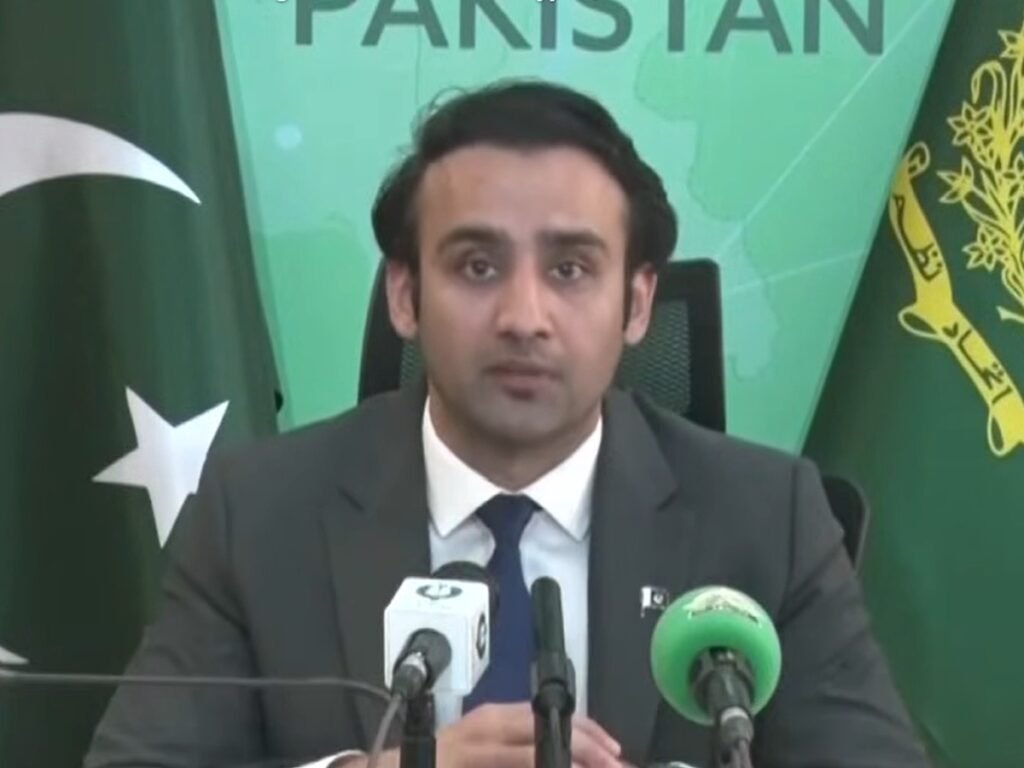
In a significant development for Pakistan’s burgeoning cryptocurrency sector, Chairman of the Pakistan Virtual Assets Regulatory Authority (PVARA), Bilal Bin Saqib, has issued a clarification regarding the no-objection certificates (NOCs) granted to major global crypto exchanges Binance and HTX (formerly Huobi). During a televised statement on Sunday, Saqib emphasized that these NOCs do not constitute blanket approvals or full operational licenses for the platforms in Pakistan. Instead, they represent merely the “first step” in a carefully structured, risk-mitigated, phased, and supervised entry framework designed to allow foreign cryptocurrency operators to engage with the Pakistani market under strict regulatory oversight. Read More: https://theboardroompk.com/pakistan-and-binance-ink-mou-to-tokenize-2b-assets-amid-cryptos-unregulated-boom/ This announcement comes amid growing interest in digital assets within Pakistan, where authorities are balancing innovation with consumer protection and financial stability concerns. The PVARA’s approach aims to prevent risks associated with unregulated crypto activities, such as money laundering, fraud, and volatility exposure, while gradually integrating reputable international players. Saqib’s remarks are intended to manage public expectations and prevent misconceptions that the NOCs equate to unrestricted access. The phased framework will likely involve additional compliance requirements, monitoring, and potential pilot programs before any broader approvals are considered. The clarification has sparked discussions among crypto enthusiasts and investors in Pakistan, many of whom have been eagerly awaiting clearer regulations. Binance and HTX, two of the world’s largest exchanges, had previously received these preliminary NOCs, raising hopes for formalized operations. As Pakistan continues to develop its virtual assets policy, this supervised entry model could serve as a blueprint for other emerging markets navigating the complex crypto landscape. Stakeholders are now awaiting further details on subsequent phases and specific guidelines from PVARA.

KSE-100 Index Closes Lower Amid High Volatility
Pakistan

KSE-100 Index Closes Lower Amid High Volatility

Pakistan Stock Exchange (PSX) closed Tuesday’s trading session in negative territory as investors resorted to profit-taking following recent record highs, dragging the benchmark KSE-100 Index lower despite strong participation from select banking and power stocks. The KSE-100 Index settled at 170,447.30 points, registering a decline of 294.05 points (-0.17%). Trading remained highly volatile throughout the session, with the index moving within a wide range of 1,730 points. It touched an intraday high of 171,922.60 points before slipping to a low of 170,191.98 points. Total trading volume in the benchmark index stood at 475.39 million shares, reflecting sustained investor activity despite the downward close. Out of the 100 index constituents, 43 stocks closed higher, 56 ended lower, while one stock remained unchanged, highlighting broad-based selling pressure. Top Losers and Gainers of the Day Major losers on the KSE-100 included:• DHPL (-9.99%)• PIOC (-4.23%)• HUMNL (-3.31%)• MLCF (-3.05%)• NML (-2.77%) Top gainers providing limited upside support were:• KAPCO (+8.11%)• KTML (+7.13%)• BOP (+4.86%)• AICL (+4.67%)• PIBTL (+3.26%) Index Movers: Stocks That Drove the Market On a point basis, the largest drag on the KSE-100 Index came from:• FFC (-180.02 points)• Systems Limited (-111.11 points)• PPL (-110.10 points)• DHPL (-70.11 points)• OGDC (-67.46 points) Meanwhile, stocks supporting the index included:• UBL (+251.96 points)• BOP (+80.95 points)• NBP (+47.05 points)• KAPCO (+45.87 points)• KTML (+44.85 points) Sector Performance: Energy and Fertilizers Weigh Heavily Sector-wise, the market downturn was primarily driven by losses in: • Oil & Gas Exploration Companies (-207.64 points)• Fertilizer (-188.69 points)• Cement (-154.91 points)• Technology & Communication (-113.13 points)• Oil & Gas Marketing Companies (-55.56 points) On the positive side, Commercial Banks provided strong support, contributing +383.12 points, followed by gains in: • Power Generation & Distribution (+38.45 points)• Automobile Assemblers (+36.81 points)• Insurance (+36.24 points)• Pharmaceuticals (+14.89 points) Broader Market Summary The All-Share Index closed at 102,982.88 points, down 193.32 points (-0.19%). Overall market activity improved notably, with total volume rising to 1.18 billion shares, compared to 905.68 million shares in the previous session. The total traded value increased to Rs53.47 billion, up by Rs5.75 billion, indicating continued liquidity in selected stocks. A total of 520,993 trades were recorded across 482 companies, of which: • 161 stocks advanced• 290 declined• 31 remained unchanged Most Active Stocks by Volume The most actively traded stocks during the session were: • PIBTL (101.8 million shares)• BOP (88.7 million shares)• TPLP (80.4 million shares)• TPL (52.7 million shares)• WTL (52.1 million shares) Market Outlook: Strong Year-to-Date Gains Remain Intact Despite the day’s decline, the broader trend remains bullish. The KSE-100 Index has gained 44,820 points (35.68%) during the ongoing fiscal year, while it is up 55,320 points (48.05%) in calendar year 2025, underscoring strong investor confidence and sustained momentum in Pakistan’s equity market. Analysts believe short-term corrections are healthy and may provide fresh entry opportunities, particularly in fundamentally strong banking, energy, and power sector stocks as market participants recalibrate positions ahead of upcoming economic and corporate developments.

APTMA Seeks Sales Tax Deadline Extension from FBR Amid Nationwide Transport Disruptions
Pakistan

APTMA Seeks Sales Tax Deadline Extension from FBR Amid Nationwide Transport Disruptions

The All Pakistan Textile Mills Association (APTMA) has formally approached the Federal Board of Revenue (FBR), seeking an extension of at least three weeks for the filing and payment of sales tax returns, citing severe logistical disruptions caused by ongoing transport strikes across the country. In a letter addressed to FBR Chairman Rashid Mahmood Langrial, APTMA Chairman Kamran Arshad outlined the operational challenges being faced by textile mills due to the breakdown of supply chains and delays in the movement of goods between upcountry regions and major port cities. Transport Strikes Disrupt Compliance Timelines According to APTMA, the prevailing transport situation has significantly hampered the timely movement of goods, documents, and essential records between textile mills, clearing agents, and tax consultants. The impact has been particularly acute for mills located in upcountry regions, where access to ports and administrative hubs has been severely restricted. “The ongoing disruption has made it extremely difficult for member mills to reconcile accounts, compile required documentation, and meet statutory sales tax deadlines,” the association stated in its communication to the tax authority. Request to Avoid Penal Consequences APTMA emphasized that the delays are beyond the control of registered taxpayers and warned that failure to extend deadlines could expose compliant businesses to unnecessary penalties and financial strain. The association urged the FBR to consider a minimum three-week extension to facilitate smooth compliance and maintain business continuity. The textile body expressed confidence that the FBR would take a pragmatic and industry-friendly view of the request, given the genuine operational difficulties currently confronting the sector. APTMA also conveyed its willingness to provide any additional clarification or data required by the tax authorities. The letter was also copied to Zubair Bilal, Member Inland Revenue (Operations) at the FBR, underscoring the urgency and importance of the matter. Textile Sector Under Pressure The textile industry, one of Pakistan’s largest contributors to exports, employment, and industrial output, has repeatedly highlighted logistical bottlenecks as a key factor affecting operational efficiency and regulatory compliance. Industry stakeholders warn that without timely relief, delayed tax filings could have a cascading financial impact on mills already grappling with rising costs and supply chain uncertainties. APTMA’s request comes at a critical time, as concerns grow over documentation delays and the potential economic fallout if sales tax deadlines are not adjusted in line with ground realities.

Nine-Day Transporters' Strike Cripples Pakistan Industries, Billions Lost Daily
Pakistan

Nine-Day Transporters’ Strike Cripples Pakistan Industries, Billions Lost Daily

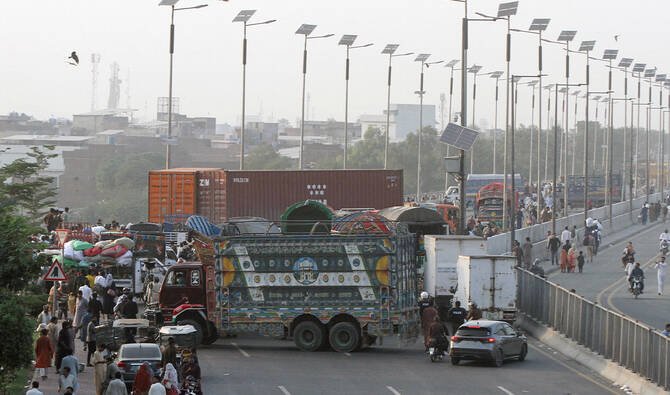
Karachi: Industrial activity has been severely disrupted due to a goods transporters’ strike that has continued for the past nine days, causing billions of rupees in daily losses to the national economy, said President of the Korangi Association of Trade and Industry (KATI), Muhammad Ikram Rajput.Expressing grave concern over the prolonged strike, Rajput said the suspension of goods movement from major industrial zones including Korangi, Landhi and Bin Qasim has badly affected the supply of raw materials and the delivery of finished goods. As a result, production at sev Read More: https://theboardroompk.com/transport-crisis-talks-at-kcci-25-member-goods-transporters-delegation-meets-karachi-chamber-amid-ongoing-strike/

Lt Gen (Retd) Hassan Azhar Hayat Appointed as MD of Pakistan Land Port Authority
Pakistan

Lt Gen (Retd) Hassan Azhar Hayat Appointed as MD of Pakistan Land Port Authority

ISLAMABAD: Prime Minister Shehbaz Sharif has named retired Lieutenant General Hassan Azhar Hayat as the Managing Director of the newly established Pakistan Land Port Authority (PLPA). The appointment was formalized through a notification issued by the Cabinet Secretariat’s Establishment Division. With this development, Pakistan joins India and Bangladesh as the third South Asian nation to create a dedicated land port authority, aimed at streamlining cross-border trade and transportation. The PLPA will act as a centralized hub for coordination among various agencies, promoting smoother trade facilitation, efficient passenger movement at border points, and stronger regional connectivity. It will establish effective mechanisms for collaboration with border management entities, while ensuring compliance with international treaties and conventions. Overall, the creation of the Pakistan Land Port Authority represents a major advancement in bolstering Pakistan’s trade ties with neighbors, upgrading border infrastructure, and fostering greater economic integration in the region.

Transport Crisis Talks at KCCI: 25-Member Goods Transporters’ Delegation Meets Karachi Chamber Amid Ongoing Strike
Pakistan

Transport Crisis Talks at KCCI: 25-Member Goods Transporters’ Delegation Meets Karachi Chamber Amid Ongoing Strike

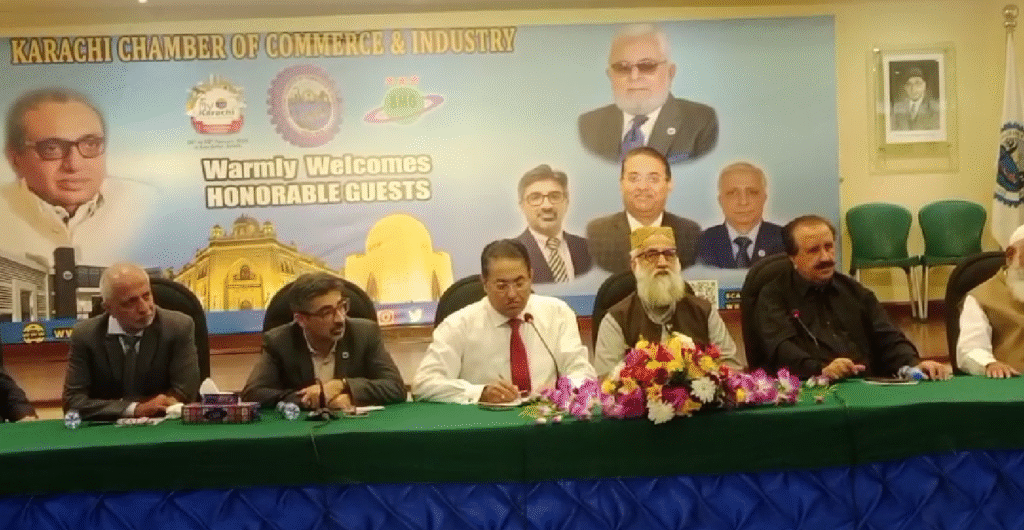
The ongoing goods transporters’ strike in Pakistan continues to pose a serious challenge to business continuity and economic stability, with industry leaders warning of escalating losses and long-term damage to the national supply chain. According to the Karachi Chamber of Commerce and Industry (KCCI), the strike now entering its second week has brought logistics operations across the country close to a complete standstill. A 25-member delegation of goods transporters recently visited the Karachi Chamber of Commerce and Industry to discuss the crisis and its far-reaching impact on trade, manufacturing, and exports. KCCI President Rehan Hanif emphasized that the prolonged strike is not only disrupting day-to-day business activities but is also inflicting heavy losses on Pakistan’s economy, estimated to be worth billions of rupees with each passing day. Supply Chain Breakdown and Industrial Impact The goods transporters’ strike has severely disrupted the movement of raw materials and finished goods between ports, factories, warehouses, and markets. As a result, multiple industries are facing production slowdowns, while some are approaching temporary shutdowns due to the unavailability of essential inputs. Export-oriented sectors are among the worst affected, as delays in shipments are leading to missed deadlines and growing uncertainty among international buyers. Business leaders warn that the paralysis of the supply chain in Pakistan is creating a ripple effect across the economy, affecting manufacturing output, retail availability, and employment. In an already challenging economic environment, prolonged logistics disruptions are adding further pressure on businesses struggling with high costs and weak demand. Exports at Risk, Foreign Exchange Under Pressure The suspension of export shipments due to the transport strike is having a direct impact on Pakistan’s foreign exchange earnings. With exports stalled, inflows of foreign currency are declining, increasing pressure on the country’s foreign exchange reserves. Analysts caution that continued disruption could damage Pakistan’s credibility as a reliable trading partner, with long-term consequences for export growth and investment. Call for Immediate Government Intervention KCCI has urged the government to take immediate notice of the goods transporters’ strike, which began on December 8, and to initiate constructive dialogue with transporters. According to Rehan Hanif, addressing the legitimate concerns of transporters through negotiations is essential to restoring smooth logistics operations and preventing further economic losses. “In the current fragile economic situation, Pakistan cannot afford prolonged strikes,” the KCCI president stated, stressing that uninterrupted goods transportation is critical for industrial productivity, export performance, and overall economic recovery. National Interest Demands Swift Resolution Industry stakeholders agree that an immediate end to the goods transporters’ strike is now a national priority. Continued delays risk deepening supply chain disruptions, increasing business uncertainty, and undermining economic stability. A swift and mutually acceptable resolution, they argue, is essential to safeguard trade flows, protect jobs, and support sustainable economic growth.

Lucky, Arif Habib, Fauji, Air Blue in Running for PIA Takeover
Pakistan

Lucky, Arif Habib, Fauji, Air Blue in Running for PIA Takeover

Islamabad, December 16, 2025 – The long-awaited privatisation of Pakistan International Airlines (PIA) has gained significant momentum, with four consortia pre-qualified to bid for a controlling stake in the national carrier. The competitive bidding is scheduled for December 23, 2025, and will be broadcast live on national television to ensure maximum transparency, as announced by Prime Minister Shehbaz Sharif.The pre-qualified bidders are the Lucky Cement Consortium (including Hub Power Holdings, Kohat Cement, and Metro Ventures), the Arif Habib Corporation Consortium (with Fatima Fertiliser, City Schools, and Lake City Holdings), Fauji Fertiliser Company Limited, and private airline Air Blue Limited. Serious contenders like the Lucky and Arif Habib groups have engaged international aviation experts—Pegasus Airlines from Turkey and Sibra Aviation Partners, respectively—to refine their bids. Reports suggest both may seek partnerships with Fauji Fertiliser to strengthen their offers. Read More: https://theboardroompk.com/pm-promises-live-tv-coverage-for-pia-privatization-bids-on-december-23/ This renewed push follows a failed attempt last year, when a lone bid of just Rs10 billion from Blue World City fell far short of the Rs85 billion reserve price and was rejected. The Privatisation Commission relaunched the process in April 2025, inviting expressions of interest for 51-100% stake with management control. Key hurdles, including outstanding loans and tax issues, have been resolved, paving the way for progress.PIA has shown signs of recovery, posting Rs11 billion in pre-tax profits this financial year. The expected reserve price is now Rs90-100 billion. Post-privatisation plans include fleet expansion from 18 to 38 aircraft within four years, route growth to over 40 cities by 2029, and retaining the iconic PIA brand and national flag on planes.As the deadline approaches, PIA’s 6,500 employees express anxiety over job security. The government emphasises a transparent process to restore the airline’s former glory as “Great People to Fly With.” This marks Pakistan’s first major privatisation in nearly two decades, aligned with IMF reform commitments.

Overseas Pakistanis Boost Economy: RDA Hit $11.49 Billion Milestone Despite Dip in November
Pakistan

Overseas Pakistanis Boost Economy: RDA Hit $11.49 Billion Milestone Despite Dip in November

Pakistan’s flagship overseas banking initiative, Roshan Digital Account (RDA), continued to demonstrate resilience in November 2025, even as monthly inflows softened slightly. According to the State Bank of Pakistan (SBP), total inflows into RDA during the month stood at $181 million, taking cumulative inflows since launch to an impressive $11.49 billion. While November inflows declined by $24 million compared to October’s $205 million, the overall trend remains positive, underscoring sustained confidence among Non-Resident Pakistanis (NRPs) in Pakistan’s banking and investment ecosystem. Net Repatriable Liability Rises as Local Utilization Grows SBP data shows that $140 million was either repatriated or utilized locally during November. Of this amount: • $15 million was repatriated abroad• $126 million was utilized within Pakistan As a result, the Net Repatriable Liability (NRL) of Roshan Digital Accounts increased by $41 million during the month, reflecting stronger retention of overseas funds within the domestic economy. Cumulatively, total repatriation and local utilization from RDA has now reached $9.3 billion. This includes: • $1.92 billion repatriated• $7.39 billion utilized locally This leaves the Net Repatriable Liability at $2.19 billion, representing 19.04% of total RDA inflows. Where RDA Funds Are Currently Parked A detailed breakdown of the Net Repatriable Liability highlights the diversity of overseas Pakistani investments: • Conventional Naya Pakistan Certificates (NPC): $496 million• Islamic Naya Pakistan Certificates: $1.01 billion• Equity Investments: $100 million• Balances in RDA Accounts: $521 million• Other Liabilities: $58 million This mix reflects a growing preference among NRPs for Shariah-compliant instruments, along with stable interest in equities and liquid account balances. Strong Financial Year Momentum During the current financial year, RDA inflows reached $931 million, surpassing the $884 million received in the same period last year. Meanwhile, total repatriation and local utilization amounted to $733 million, compared to $663 million in the corresponding period of the previous year. These numbers signal not only continuity but year-on-year growth in engagement by overseas Pakistanis. Account Growth Continues Steadily In November alone, 9,572 new Roshan Digital Accounts were opened, taking the total number of active accounts to 883,037. Since its launch, RDA has consistently expanded its user base, reflecting increasing trust in Pakistan’s digital banking framework. For context:• Highest monthly inflow: June 2021 ($310 million)• Highest monthly reduction in NRL: July 2022 (NRL declined by $330 million due to high repatriation and utilization) Why Roshan Digital Account Matters Launched by the State Bank of Pakistan in collaboration with commercial banks, RDA is one of the country’s most successful financial inclusion initiatives for overseas Pakistanis. It enables NRPs and POC holders to: • Open Pakistani bank accounts fully online• Invest in government securities and equities• Make digital payments and transfers• Manage finances without visiting any bank, embassy, or consulate The entire account-opening process is paperless and presenceless, requiring minimal documentation. Banks are mandated by SBP to complete customer due diligence within 48 hours, making RDA one of the fastest digital onboarding systems in the region. Despite short-term monthly fluctuations, Roshan Digital Accounts remain a critical pillar of Pakistan’s external financing and financial stability. Rising cumulative inflows, expanding account numbers, and increasing local utilization highlight the initiative’s long-term strategic value. As Pakistan continues to strengthen its digital banking infrastructure, RDA is proving to be more than a remittance channel, it is a trusted investment and savings platform for millions of overseas Pakistanis worldwide.

Pakistan Pushes for Major Oil Deal with Russia in Exploration and Refining
World

Pakistan Pushes for Major Oil Deal with Russia in Exploration and Refining

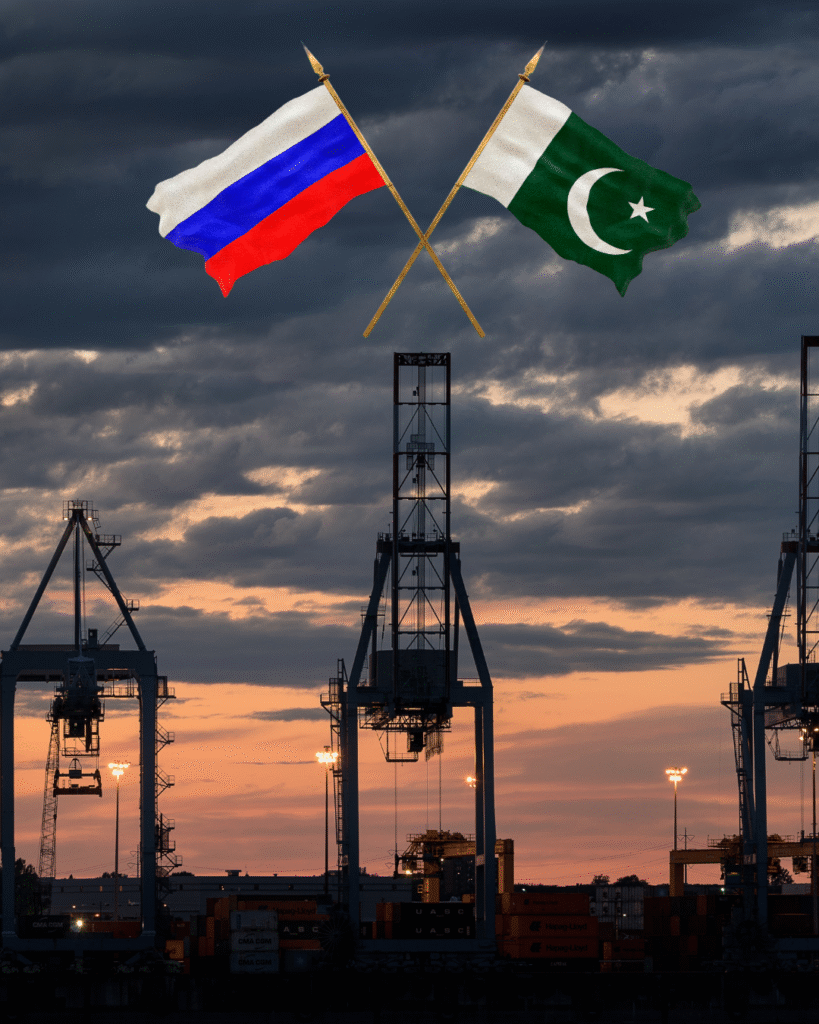
Islamabad, December 16, 2025 – Pakistan is actively pursuing a broader oil sector agreement with Russia, as energy ministries from both nations engage in detailed discussions, according to statements from Pakistan’s Finance Minister Muhammad Aurangzeb.In an interview with Russia’s RIA news agency, Aurangzeb expressed optimism about expanding cooperation beyond current crude oil imports. “All of these areas are Russia’s strengths. And we would be very happy if Russia agreed on an agreement in this sector with Pakistan,” he said, referring to potential collaboration in exploration, production, and refining. Read More: https://theboardroompk.com/venture-global-slams-shells-fraud-allegations-as-baseless-in-fiery-lng-arbitration-response/ The minister noted that the matter is currently being handled by the energy ministries of both countries. Additionally, Russia has previously discussed upgrading a Pakistani refinery with involvement from Russian companies, as mentioned by Russian Energy Minister Sergei Tsivilev in November.This development builds on existing energy ties, with Pakistan beginning to import discounted Russian crude oil in 2023 to reduce import costs amid economic pressures. For Russia, the engagement helps diversify export markets following Western sanctions related to the Ukraine conflict.Beyond oil, the two countries are exploring the construction of another steel plant in Pakistan, signaling deeper economic partnerships. Pakistan has increasingly focused on trade and investment with Russia in recent years.While no final agreement has been announced, the ongoing talks highlight mutual interest in strengthening bilateral energy security and industrial cooperation.

Pakistan's Power Giants Diversify: IPPs Eye Auto and Cement for Major Re-Rating
Pakistan

Pakistan’s Power Giants Diversify: IPPs Eye Auto and Cement for Major Re-Rating

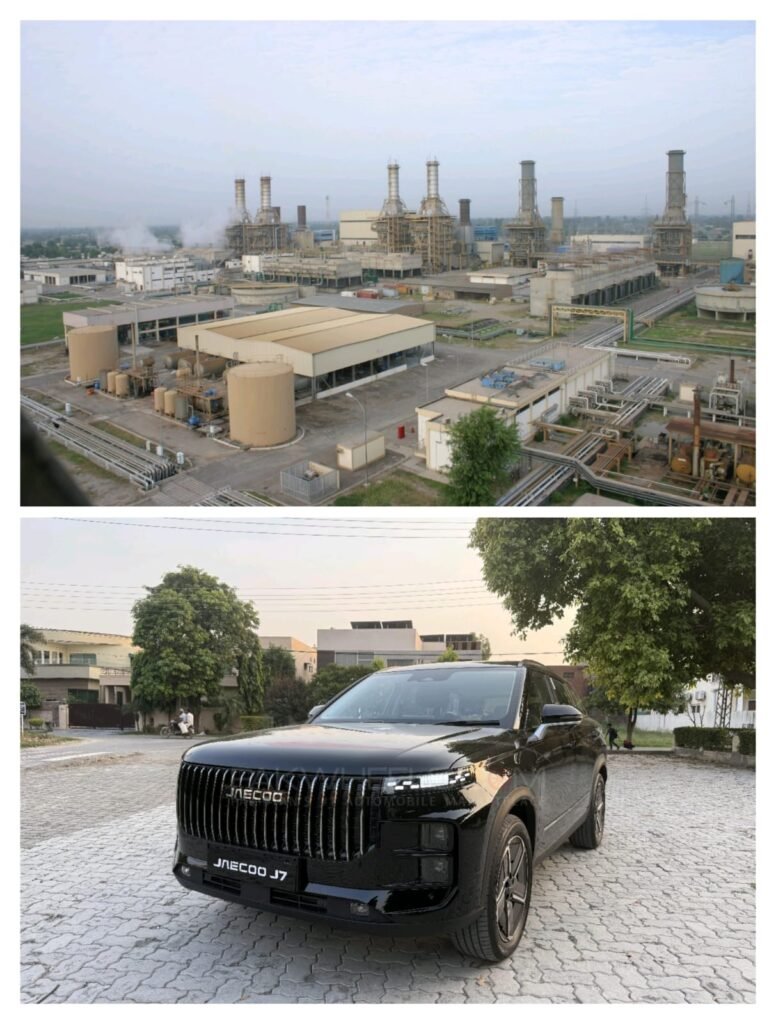
Karachi, December 15, 2025 – Independent Power Producers (IPPs) in Pakistan, long undervalued amid sector reforms, are sparking investor excitement through bold diversification moves. According to a latest research note from Arif Habib Limited, companies like Nishat Power Limited (NPL), Nishat (Chunian) Power Limited (NCPL), and Kot Addu Power Company (KAPCO) are transitioning beyond traditional power generation, fueling significant stock gains and attractive dividend prospects. NPL and NCPL Accelerate into Electric and Hybrid Vehicles NPL and NCPL have surged 54% and 80% respectively since announcing their entry into the booming auto sector via NexGen Auto – a joint venture planning to launch new energy vehicles (NEVs) in partnership with the Nishat Group and Chery International. The flagship models include the Jaecoo J7 plug-in hybrid electric vehicle (PHEV), aggressively priced at PKR 10.5 million, and the fully electric Omoda E5 SUV at PKR 8.9 million. The Jaecoo J7 has already seen blockbuster demand, with reports of 3,500 bookings shortly after launch – one of the strongest responses for a new entrant in Pakistan’s automotive market. NexGen Auto is investing heavily, including PKR 14.7 billion for a new CKD assembly plant with 32,000 units annual capacity. Analysts project this venture could add over PKR 30 per share in value to NPL and NCPL, with incremental earnings upside of PKR 2.8–3.3 per share in coming years. Both companies benefited from power sector reforms, recovering billions in receivables under new “Hybrid Take-and-Pay” agreements. This has bolstered balance sheets, enabling high dividend yields of around 9–10% expected for FY27–28. KAPCO’s Turnaround: PPA Renewal and Cement Ambitions KAPCO, operator of Pakistan’s largest multi-fuel power plant, has staged a remarkable recovery. After 12 quarters of gross losses, its Power Purchase Agreement (PPA) for 500 MW has been reinstated for three years under a hybrid model, paving the way for profitability. The company holds a massive PKR 39.7 billion in cash (PKR 45/share) after clearing debts and receivables. KAPCO shares have risen 21% on news of a binding offer, jointly with Fauji Foundation, to acquire an 84% stake in Attock Cement Pakistan Limited (ACPL). ACPL reported strong Q1FY26 results with 61% YoY dispatch growth and margins expanding to 29%. The deal could add PKR 1.9–2.4 per share to KAPCO’s earnings, while maintaining high dividend yields of 13.7%. Arif Habib analysts view these moves as catalysts for re-rating overlooked IPPs, trading at deep discounts despite robust fundamentals. With Pakistan’s SUV market share rising to 17% and cement demand recovering, these diversifications signal a new growth chapter for the sector.

Scroll to Top