
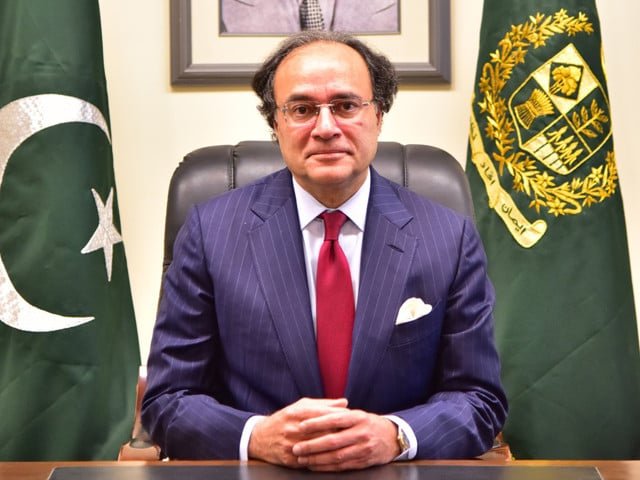
Finance Minister Muhammad Aurangzeb has expressed optimism about Pakistan’s economic outlook for fiscal year 2026-27 following the end of the Iran war, but said it is too early to revise the budget unveiled just days ago.
In an interview with Reuters, the finance minister said the government had been assessing the possible economic consequences if the conflict had continued. However, he noted that damage to energy infrastructure would continue to affect supply chains for some time.
Conflict Pushed Inflation Back Into Double Digits
Aurangzeb said Pakistan had been closely monitoring the second- and third-order effects of the conflict.
“We were looking at how we manage the second, third-order impact in case this conflict continues,” he said.
He added that attacks on energy infrastructure disrupted supply chains and that restoring normal conditions would take time. The conflict had pushed inflation back into double digits, reversing the downward trend witnessed in recent months.
Finance Minister Sees Upside to FY27 Projections
Despite the challenges, Aurangzeb said he saw positive prospects for the coming fiscal year.
“I do see upsides in what we have projected for next year,” he said.
However, he emphasized that revising the budget at this stage would be premature. Pakistan’s federal budget for FY27, presented in Parliament last week, targets economic growth of 4 percent and inflation of 8.2 percent.
The budget also increased defense spending by 18 percent to Rs3 trillion while aiming to maintain the country’s $7 billion International Monetary Fund (IMF) program through higher tax revenues.
Pakistan May Shift Toward Commercial Borrowing
The finance minister said Islamabad is considering commercial borrowing during FY27 to alter the country’s creditor profile without increasing external debt.
He said the government wants to replace part of its bilateral borrowing with commercial financing. “Ideally what we want to do is to see if we can replace some of the bilateral through commercial,” Aurangzeb said. He stressed that Pakistan does not intend to increase the overall size of its external debt.
Last month, Pakistan repaid $3.4 billion in deposits owed to the United Arab Emirates. At the same time, the country secured financing from commercial banks in the UAE, reflecting the government’s efforts to diversify its sources of funding.
Plans for Panda Bonds and Eurobonds
Aurangzeb said Pakistan intends to pursue several debt instruments to access international markets. These include Panda Bonds, Eurobonds, US dollar-denominated bonds and the country’s first rupee-linked, dollar-settled bonds. He said the size of these issues has yet to be finalized. The government believes broader access to capital markets could help improve debt management and strengthen investor confidence.
Defense Export Potential Still Uncertain
Interest in Pakistan’s defense industry has increased following last year’s conflict with India. The country’s fighter jets, drones and missile systems have attracted attention from potential international buyers after gaining combat experience.
However, Aurangzeb said it remains too early to estimate how much the defense sector could contribute to exports. He avoided making projections regarding future defense-related revenues.
Government to Regulate Crypto Before Taxing It
Aurangzeb also highlighted Pakistan’s efforts to formalize the digital asset sector. The government has recently signed agreements with Binance and World Liberty Financial as part of its broader strategy to develop the sector.
He said authorities would first establish regulations governing cryptocurrencies, tokenization and digital asset exchanges before imposing taxes.
According to the finance minister, taxation would follow once the sector becomes properly formalized.
The move reflects the government’s efforts to create a regulated framework that encourages innovation while ensuring compliance and transparency.