
Pakistan’s Cabinet Committee on Disposal of Legislative Cases (CCLC) has approved crucial amendments to the Gas Infrastructure Development Cess (GIDC) Act, 2015, paving the way to unlock over Rs400 billion in stuck funds currently tied up in litigation across various High Courts.
This decision, made on a summary from the Petroleum Division dated January 1, 2026, aims to resolve long-standing legal disputes and enable the utilization of these funds for essential gas infrastructure projects.
Background and Legal Challenges
The GIDC was initially imposed on gas consumers, excluding domestic and commercial sectors, to finance major pipeline initiatives. Introduced under the GIDC Act 2011 and Ordinance 2014, it faced constitutional challenges and was struck down by the Supreme Court in 2014.
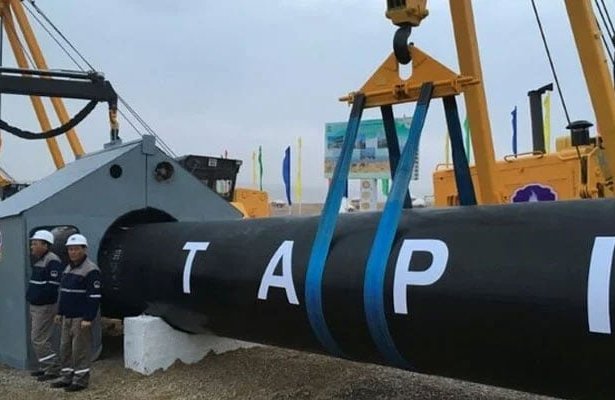
The 2015 Act reinstated it with retrospective effect, designating funds for projects like the Iran-Pakistan Pipeline, Turkmenistan-Afghanistan-Pakistan-India (TAPI) Pipeline, and LNG developments. However, industrial, fertilizer, and CNG consumers contested its validity in High Courts, leading to prolonged appeals.
In August 2020, the Supreme Court upheld the Act’s constitutionality, classifying GIDC as a fee requiring quid pro quo, and allowed recovery of arrears in installments without imposing fresh cess.
Implications and Future Steps
Despite the ruling, litigation persists, blocking the release of over Rs400 billion for intended projects. A high-powered GIDC Committee, formed in November 2022 under the Prime Minister and later chaired by the Finance Minister in March 2025, recommended amendments to Section 4 to address court observations.
The CCLC’s approval incorporates these changes, to be refined by the Law and Justice Division before final Cabinet endorsement. This move is expected to facilitate legal resolutions, allowing gas companies to advance stalled infrastructure. For consumers, it could stabilize gas supply and pricing by enabling project progress. Failure to pursue these initiatives, as noted by the Supreme Court, might render the cess inoperative.
Overall, the amendments signal a commitment to overcoming bureaucratic and judicial hurdles for Pakistan’s energy sector growth.