
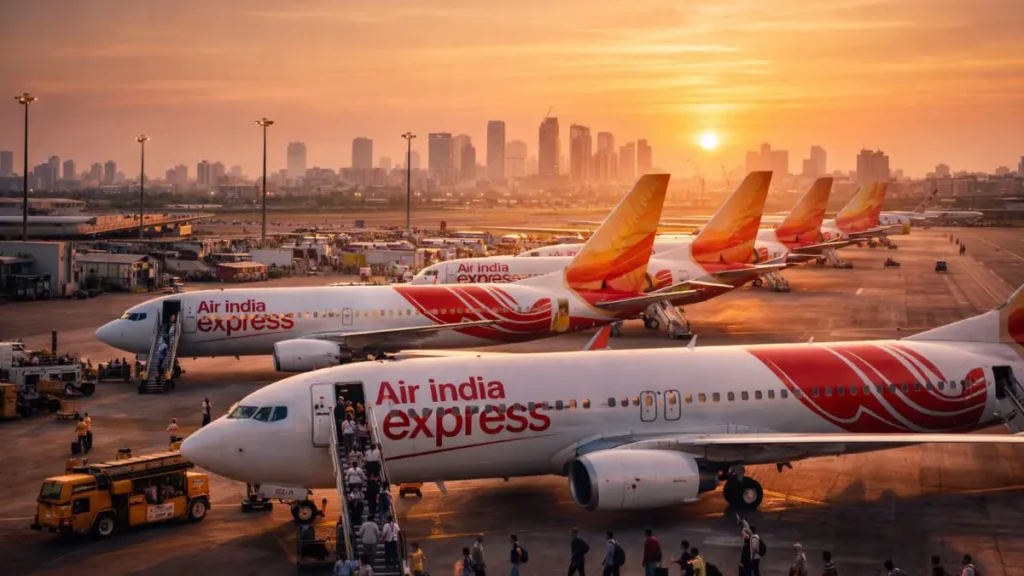
Air India Express anticipates recording its inaugural operating profit under Tata Group ownership during the second half of FY26 (ending March 2026), according to internal town hall insights reported by Reuters on February 5, 2026. This development highlights progress in the airline’s post-privatization recovery phase.
Read More: https://theboardroompk.com/jf-17-export-boom-puts-pakistans-production-lines-under-pressure/
Key Drivers of Profitability
Management attributes the forecast to enhanced capacity deployment, expanded market presence, better unit economics, disciplined cost management, and superior execution. These elements have helped offset sector-wide headwinds and supported a path toward financial stability.
Strategic Investments and Growth Roadmap
With a current fleet surpassing 100 narrowbody jets, Air India Express plans aggressive scaling, including more than doubling capacity in four to five years and aiming for over 200 aircraft.
A recent order for 30 Boeing 737 MAX additions bolsters this ambition, though jet delivery delays pose constraints. Additionally, over $70 million is earmarked for cabin refurbishments to elevate service quality.
Broader Implications for Tata Aviation
The low-cost arm’s anticipated profitability offers encouragement amid ongoing challenges at flagship Air India, including external factors like airspace bans affecting operations.
It reflects Tata’s multi-billion-dollar revival strategy for its aviation portfolio, emphasizing efficiency, network growth, and customer focus in a high-demand domestic market.
This forecast positions Air India Express as a strengthening contributor to the group’s aviation ecosystem, with emphasis on consistent performance and margin improvement moving forward