
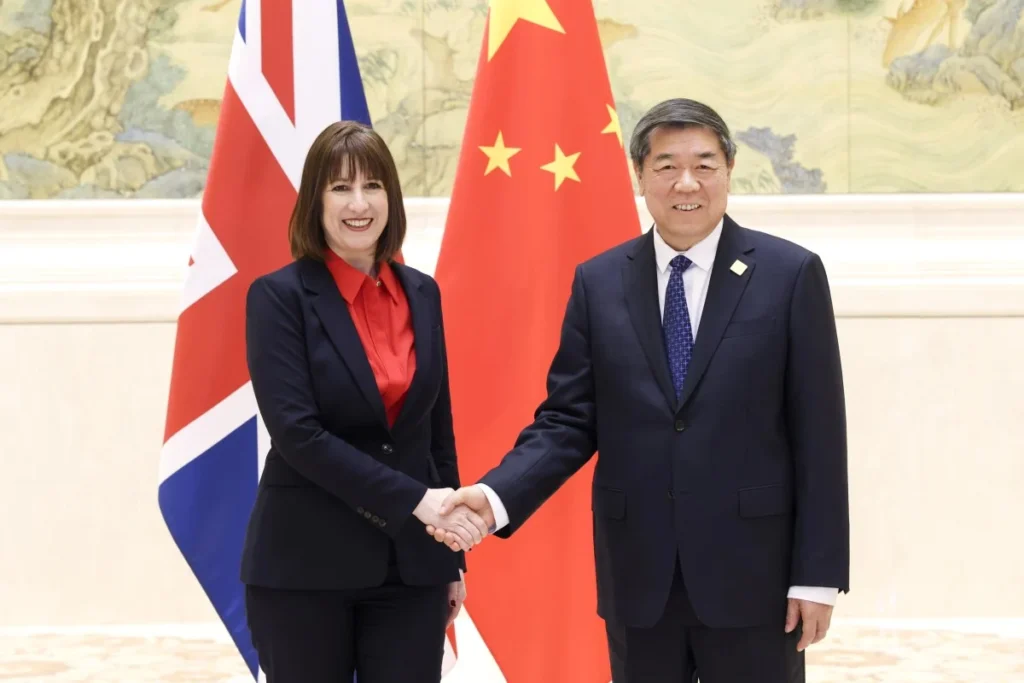
After Canada, Britain and China are set to revive a high-level “golden era” business dialogue during an upcoming visit by UK Prime Minister Keir Starmer to Beijing, according to sources cited in a Reuters exclusive report on January 21, 2026.
The visit, potentially announced as early as Friday, January 24, 2026, marks the first by a British leader to China since 2018 and aims to reset ties strained under previous Conservative governments.
Revival of UK-China CEO Council At the heart of the initiative is a revamped UK-China CEO Council, originally established in 2018 by then-Prime Minister Theresa May and Chinese Premier Li Keqiang during what both sides called a “golden era” of relations.
The council will bring together top executives from major British and Chinese firms to fast-track two-way investment and promote balanced bilateral trade.
British participants are expected to include companies such as AstraZeneca, BP, HSBC, Intercontinental Hotels Group, Jaguar Land Rover, Rolls-Royce, Schroders, and Standard Chartered.
On the Chinese side, firms like Bank of China, China Construction Bank, China Mobile, Industrial and Commercial Bank of China, China Railway Rolling Stock Corporation, China National Pharmaceutical Group, and BYD are anticipated.
Context of Strained Relations and Reset Efforts Relations cooled significantly after the UK banned Huawei from its 5G networks in 2020 and funded the buyout of China General Nuclear Power Corporation’s stake in a UK nuclear project in 2022. Sensitive firms like Huawei and CGN are unlikely to join the new council due to security concerns.
Starmer has criticized past governments for letting ties deteriorate, contrasting with frequent visits by French and German leaders.
The timing follows the UK’s recent approval (on January 20, 2026) for China to build its largest embassy in Europe in London, despite espionage worries.
Potential Challenges Sources note uncertainties, including possible derailment from external factors like U.S. President Donald Trump’s Greenland-related statements. No immediate comments came from China’s foreign ministry or the listed companies.
This move signals Britain’s pragmatic push for economic engagement with the world’s second-largest economy, focusing on sectors like finance, energy, pharmaceuticals, automotive, and infrastructure, while navigating geopolitical sensitivities.