
Pakistan’s foreign exchange reserves recorded a strong recovery in mid-May 2026, with total liquid reserves reaching $22.6 billion, reflecting a notable improvement in the country’s external financial position.
Read More: https://theboardroompk.com/ecc-membership-expanded-as-pm-shehbaz-includes-khalid-maqbool-siddiqui/
According to the State Bank of Pakistan, the central bank’s reserves increased by $1.214 billion during the week ended May 15, taking total SBP reserves to $17.081 billion. The increase was primarily supported by disbursements received from the International Monetary Fund under the Extended Fund Facility and Resilience and Sustainability Facility.
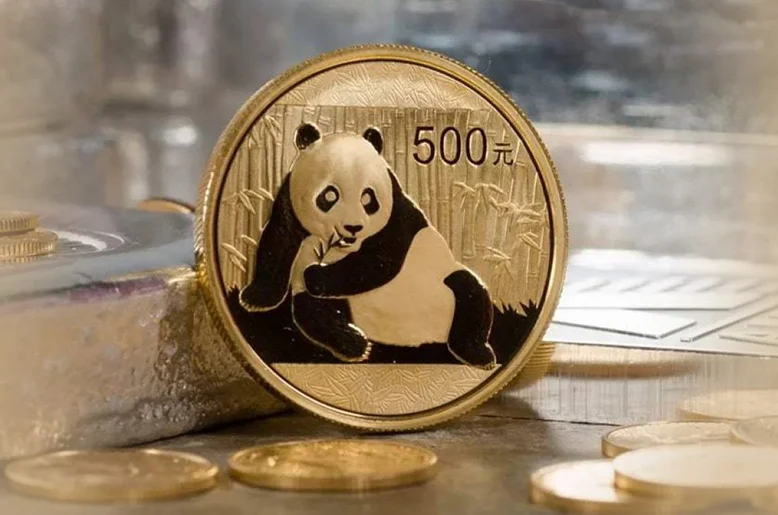
The reserves were also strengthened by proceeds from Pakistan’s inaugural Panda Bond issued in the Chinese market. Meanwhile, commercial banks held approximately $5.5 billion in reserves, contributing to the country’s total liquid reserves of $22.6 billion.
The improvement in reserves is expected to reduce immediate pressure on Pakistan’s external account and provide greater flexibility in managing import payments and external debt obligations over the coming months. Analysts believe the development sends a positive signal regarding foreign exchange market stability, although dependence on external financing and borrowings remains a concern due to ongoing debt servicing requirements.
The Pakistani rupee also showed relative stability in the interbank market, gaining slightly to close at Rs278.55 against the US dollar. Analysts say stronger reserve buffers could improve investor confidence and support future negotiations with international lenders and financial institutions.
Market experts noted that fluctuations in global commodity prices are likely to continue influencing reserve movements in the coming months. Despite weakness in international markets, gold prices in Pakistan rose sharply due to domestic market adjustments.
Higher reserves have also improved Pakistan’s import cover ratio, a key indicator for sustaining economic activity in an import-dependent economy. Experts emphasized that while multilateral inflows have provided short-term relief, long-term foreign exchange stability will depend on sustained growth in exports and remittances.