
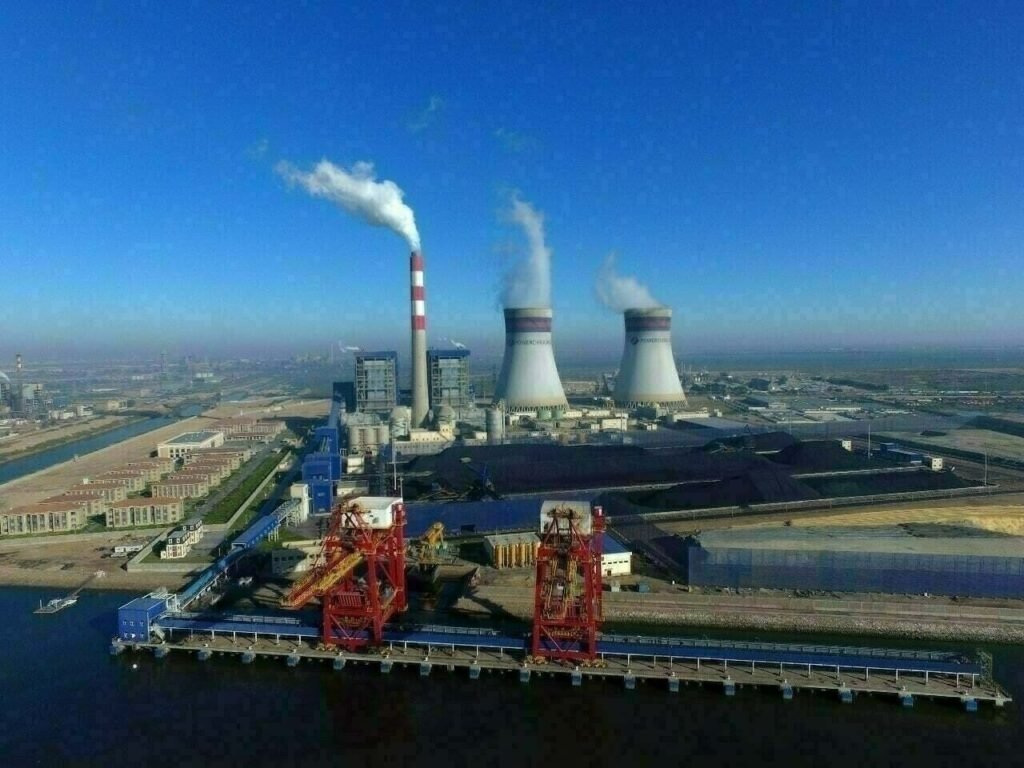
The CPEC IPPs Payment Crisis is rapidly turning into one of Pakistan’s most sensitive economic and diplomatic challenges as the government struggles to unlock billions of rupees meant to reduce the country’s ballooning circular debt.
Behind closed doors, Islamabad is reportedly making aggressive efforts to convince Chinese Independent Power Producers (IPPs) operating under the China-Pakistan Economic Corridor (CPEC) to sign renegotiated settlement agreements. Without those signatures, the government cannot fully release the remaining funds from the massive Rs1.225 trillion bank facility raised to tackle Pakistan’s chronic energy sector debt.
The deadlock has now exposed deep tensions between Pakistan’s cash-strapped power sector and powerful Chinese investors who are demanding immediate payment of long-overdue dues.
Pakistan’s Circular Debt Crisis Reaches Dangerous Levels
Pakistan’s circular debt problem has become a financial nightmare for the country’s energy sector. Officials say the total circular debt stock has surged close to Rs1.8 trillion, threatening the stability of power generation companies and increasing pressure on electricity consumers.
Sources revealed that the Central Power Purchasing Agency-Guaranteed (CPPA-G) currently owes more than Rs560 billion to Chinese IPPs alone. This amount has sharply increased from Rs430 billion recorded in June 2025.
The government had secured a huge Rs1.225 trillion financing arrangement from 18 commercial banks to partially clear these liabilities. However, a significant portion of the amount remains stuck because Chinese IPPs are refusing to accept discounted settlements similar to those agreed with other local power producers.
According to insiders, the federal cabinet has already decided that no major disbursement can take place unless CPEC projects agree to revised payment terms.
Chinese Power Producers Resist Islamabad’s Proposal
The standoff has become increasingly sensitive because Chinese power companies are reportedly using several diplomatic and official channels, including the CPEC Secretariat, to pressure Pakistan for immediate clearance of dues.
Government officials have urged Chinese companies to join the settlement framework so they can recover payments through the circular debt facility. However, resistance remains strong.
Chinese investors argue that they entered Pakistan under sovereign guarantees and legally binding agreements. They are therefore reluctant to offer discounts on outstanding receivables at a time when Pakistan’s energy sector continues to face severe liquidity shortages.
The issue has become even more alarming after reports emerged that several Chinese IPPs are struggling to transfer shareholder returns abroad due to delayed payments.
Port Qasim Power Plant Warns of Operational Shutdown
The situation escalated further after Port Qasim Electric Power Company (PQEPC) issued a strong warning to Pakistan’s finance authorities.
In a letter sent to the finance minister, the company reportedly expressed serious concern over the growing payment backlog affecting both Chinese and Qatari investors.
The company warned that under the terms of its Power Purchase Agreement (PPA), it has the legal right to suspend operations if receivables continue to pile up. Such a move could create fresh electricity shortages and intensify Pakistan’s ongoing power supply challenges.
This warning has sent shockwaves across the energy sector because Port Qasim is considered one of the key coal-fired power plants operating under the CPEC framework.
Government Avoids Fresh Ad Hoc Payments
Before Prime Minister Shehbaz Sharif’s visit to China in August 2025, the government had released around Rs100 billion to nearly 16 Chinese power projects in an attempt to ease tensions.
However, authorities now appear unwilling to continue ad hoc payments without broader restructuring agreements.
Officials believe selective payments could weaken Islamabad’s negotiating position and complicate ongoing efforts to reform the power sector under commitments made to the International Monetary Fund (IMF).
IMF Reforms Could Trigger Higher Electricity Costs
The IMF has repeatedly warned Pakistan that the circular debt crisis is unsustainable and poses serious risks to the economy.
Under its reform programme, Pakistan has committed to introducing regular electricity tariff adjustments, reducing untargeted subsidies, imposing additional surcharges, and restructuring accumulated debt into CPPA-G liabilities.
While these measures are aimed at stabilizing the energy sector financially, they are expected to increase pressure on households and businesses already struggling with rising electricity costs.
Annual tariff rebasing is also expected to remain a major part of Pakistan’s future economic reform agenda.
A High-Stakes Test for Pakistan-China Economic Relations
The ongoing CPEC IPPs Payment Crisis is no longer just a domestic financial issue. It has evolved into a crucial test for Pakistan’s relationship with China, its largest strategic and economic partner.
Any prolonged delay in payments could damage investor confidence, slow future CPEC investments, and raise concerns among foreign stakeholders about Pakistan’s ability to honor financial commitments.
For now, Islamabad faces a difficult balancing act: protecting its fragile economy while keeping Chinese investors satisfied and preventing another explosion in the country’s already painful electricity crisis.