
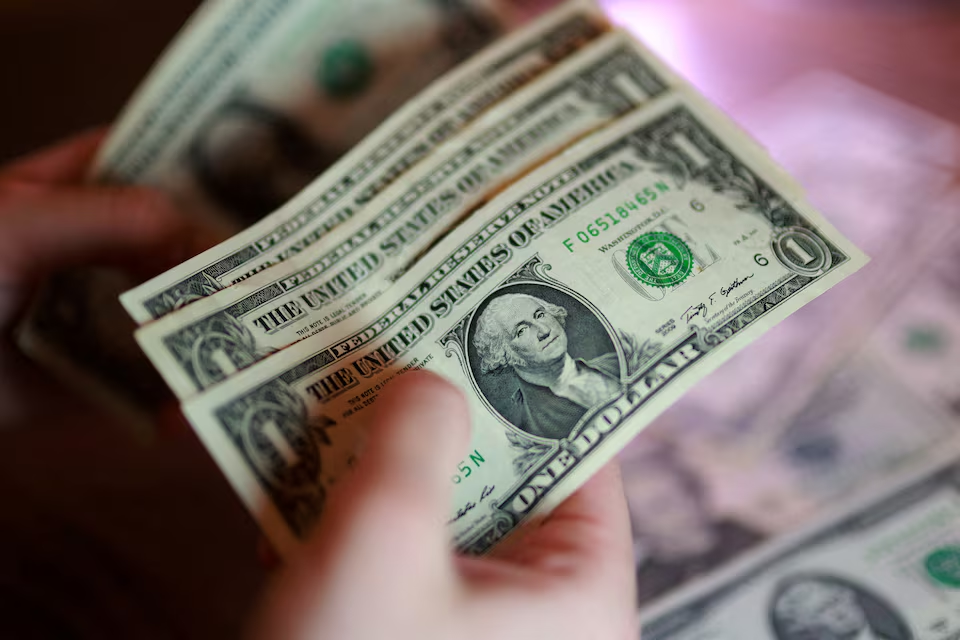
The US dollar hovered near six-week lows on Wednesday as global markets reacted to renewed hopes of diplomatic talks between the United States and Iran. The decline erased nearly all gains the currency had made since the outbreak of the Middle East conflict earlier this year.
Read More: https://theboardroompk.com/pakistan-highlights-economic-reforms-at-imf-world-bank-meetings-2026/
The weakening trend in the dollar reflects improving investor sentiment, as traders shift toward riskier assets amid expectations that tensions between United States and Iran could ease in the coming days.
Dollar Declines as Diplomacy Hopes Rise
The US dollar index, which tracks the currency against a basket of major currencies, fell to 98.109. This level marks its lowest point in more than six weeks.
Market optimism increased after Donald Trump signaled that negotiations to end the conflict could resume soon. He suggested that fresh talks may take place in Islamabad, raising hopes for a diplomatic breakthrough.
Although previous discussions failed to produce a lasting agreement, investors appear willing to bet on renewed dialogue. Analysts say markets are reacting more to expectations than confirmed developments.
Strait of Hormuz Crisis Fuels Market Volatility
The conflict has significantly disrupted global energy markets. Iran has effectively shut down the Strait of Hormuz since the war began on February 28.
This waterway handles nearly one-fifth of the world’s oil and gas shipments. Its closure triggered a sharp rise in energy prices and initially strengthened the US dollar as investors sought safe-haven assets.
At the same time, the United States imposed a blockade on Iranian ports after negotiations collapsed. These actions increased geopolitical tensions and added uncertainty to global markets.
However, the latest signals of diplomacy have helped reverse some of the earlier market reactions.
Euro and Sterling Strengthen Against Dollar
As the dollar weakened, major currencies gained ground. The euro rose to $1.1793, hovering near its highest level since early March. Meanwhile, the British pound, also known as sterling, traded at $1.3574.
Currency markets reflected a broader shift toward risk-on sentiment. Investors moved away from defensive positions and increased exposure to higher-yielding assets.
Analysts noted that expectations of a potential resolution to the conflict have played a key role in driving this trend.
Oil Prices Retreat After Sharp Gains
Energy markets also showed signs of stabilization. Brent crude futures slipped 0.28% to $94.52 per barrel after a steep decline in the previous session.
Similarly, West Texas Intermediate crude fell 0.7% to $90.64, extending losses from Tuesday’s sharp drop.
The earlier surge in oil prices had been driven by supply concerns linked to the Strait of Hormuz disruption. However, easing fears of prolonged conflict have reduced upward pressure on prices.
Market participants now view the crisis as a temporary shock rather than a long-term disruption.
Global Markets Shift to Risk-On Mode
The easing of geopolitical fears triggered a rally across global asset classes. Stocks gained momentum, while risk-sensitive currencies such as the Australian dollar strengthened.
The Australian dollar reached its highest level since mid-March, reflecting increased investor confidence. It later stabilized at $0.7124 in early trading.
Experts say cross-asset movements indicate that markets are pricing in a potential resolution to the conflict. Investors appear to believe that diplomatic efforts could prevent further escalation.
Tony Sycamore, a market analyst, stated that expectations are growing for a near-term resolution. He suggested that the US administration may seek to declare a strategic victory before shifting focus to domestic economic measures.
Yen and Bitcoin Show Mixed Movements
The Japanese yen, often considered a safe-haven currency, remained relatively stable. It traded at 158.88 per US dollar, showing limited reaction to the latest developments.
Meanwhile, Bitcoin recorded modest gains. The cryptocurrency rose 0.6% to $74,612, staying close to a two-month high reached earlier in the week.
Bitcoin’s performance reflects ongoing interest in alternative assets, even as traditional markets show signs of recovery.
Uncertainty Remains Despite Optimism
Despite improving sentiment, uncertainty continues to loom over global markets. The recent talks in Islamabad failed to produce a breakthrough, raising concerns about the durability of the current ceasefire.
The two-week truce still has one week remaining, and any escalation could quickly reverse the current trend in financial markets.
Analysts caution that while optimism is driving short-term movements, the underlying risks remain significant. The situation in the Middle East continues to evolve, and unexpected developments could impact investor confidence.