
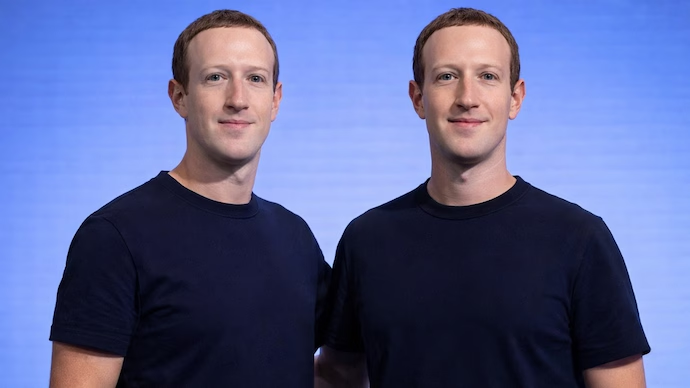
In a bold and controversial move, Mark Zuckerberg is reportedly developing an artificial intelligence version of himself to communicate with employees and assist in managing his workload. The initiative reflects Meta Platforms’ aggressive push into artificial intelligence as it competes with global tech giants in the rapidly evolving AI race.
According to a report by Financial Times, the AI avatar aims to replicate Zuckerberg’s communication style and decision-making patterns. The goal is to create a digital assistant that can engage in conversations, provide feedback, and streamline internal processes within the company.
AI Expansion Drives Zuckerberg’s Digital Clone
Meta CEO Mark Zuckerberg has significantly increased investments in artificial intelligence over the past year. The company has poured billions of dollars into building advanced data centers and recruiting top-tier research talent. This strategic shift highlights Meta’s ambition to lead the next wave of AI innovation.
The creation of a Zuckerberg AI avatar aligns with this broader vision. By leveraging AI to replicate leadership functions, the company hopes to enhance efficiency and reduce the burden on executives. Sources familiar with the project suggest that the AI could eventually participate in meetings, review proposals, and even offer strategic insights based on Zuckerberg’s known preferences.
However, Meta has not officially confirmed the project. Neither Mark Zuckerberg nor the company has publicly commented on the report. As a result, details regarding the timeline, capabilities, and deployment of the AI remain unclear.
Tech Industry Embraces AI Replicas
Zuckerberg is not alone in exploring AI-based replicas. The concept of digital clones has already gained traction among tech leaders. During an appearance on the Diary of a CEO, Dara Khosrowshahi revealed that employees at Uber had created a “Dara AI.” This tool allowed staff to rehearse presentations and simulate interactions with the CEO before actual meetings.
Such developments indicate a growing trend in Silicon Valley. Companies are experimenting with AI to enhance productivity and improve communication. Digital avatars can provide instant feedback, simulate real-world scenarios, and reduce the need for direct executive involvement in routine tasks.
Supporters argue that this technology can save time and enable better decision-making. By training AI models on a leader’s communication style and past decisions, companies can create tools that reflect consistent leadership perspectives.
Experts Raise Ethical and Cultural Concerns
Despite its potential benefits, the idea of an AI CEO has sparked widespread criticism. Experts warn that replacing human interaction with artificial intelligence could have unintended consequences on workplace culture.
Henry Ajder, an advisor to the UK Home Office and a deepfake specialist, expressed serious concerns about the initiative. He stated that interactions with an AI version of a CEO could feel unnatural and uncomfortable for employees. According to him, such technology might blur the line between authentic leadership and automated responses.
Ajder also questioned how the AI avatar might shape public perception. He raised concerns about how Zuckerberg’s image and reputation could be affected if employees interact more with his digital counterpart than with the real person.
Similarly, Alexandru Voica from AI video startup Synthesia criticized the concept. He argued that just because technology makes something possible does not mean it should be implemented. Voica emphasized the importance of maintaining human judgment and emotional intelligence in leadership roles.
Balancing Innovation and Responsibility
The development of AI avatars represents a significant step forward in the integration of artificial intelligence into corporate environments. However, it also raises important questions about ethics, transparency, and accountability.
Critics argue that employees may struggle to trust feedback generated by an AI, especially when it comes to performance evaluations or strategic decisions. They also warn that overreliance on AI could reduce opportunities for meaningful human interaction within organizations.
On the other hand, proponents believe that AI tools can complement human leadership rather than replace it. They argue that digital assistants can handle repetitive tasks, allowing executives to focus on more critical responsibilities.
For Meta CEO Mark Zuckerberg, the challenge lies in striking the right balance. The company must ensure that its AI initiatives enhance productivity without undermining employee trust or workplace culture.
The Future of AI in Leadership
As artificial intelligence continues to evolve, the concept of AI-driven leadership tools is likely to gain momentum. Companies across industries are exploring ways to integrate AI into decision-making processes, communication strategies, and operational workflows.
Meta’s experiment with a Zuckerberg AI could set a precedent for other organizations. If successful, it may encourage more companies to develop similar technologies. However, if it fails or faces backlash, it could serve as a cautionary tale about the limits of automation in leadership roles.
For now, the project remains in its early stages. Without official confirmation from Meta or Mark Zuckerberg, many questions remain unanswered. Nevertheless, the report has already sparked a global debate about the role of AI in shaping the future of work.