
Pakistan Liquid Foreign Reserves have once again moved into the spotlight as new data released for January 2026 paints a cautiously optimistic picture of the country’s external financial position. At a time when global markets remain volatile and emerging economies face mounting pressure, even modest improvements in reserves are closely watched by investors, policymakers, and businesses alike.
Read More: https://theboardroompk.com/volvo-recalls-413000-us-vehicles-for-faulty-rearview-cameras/
As of January 9, 2026, Pakistan’s total liquid foreign reserves stood at US$21.24 billion, signaling a stabilizing trend that could carry significant implications for the rupee, inflation outlook, and overall economic confidence.
But what do these numbers really mean and why should businesses and the public care?
Pakistan Liquid Foreign Reserves: Breaking Down the Numbers
Pakistan’s foreign reserve position is composed of two key pillars: reserves held by the central bank and those maintained by commercial banks. Together, they form the country’s first line of defense against external shocks.
At the start of January 2026, Pakistan Liquid Foreign Reserves were distributed as follows:
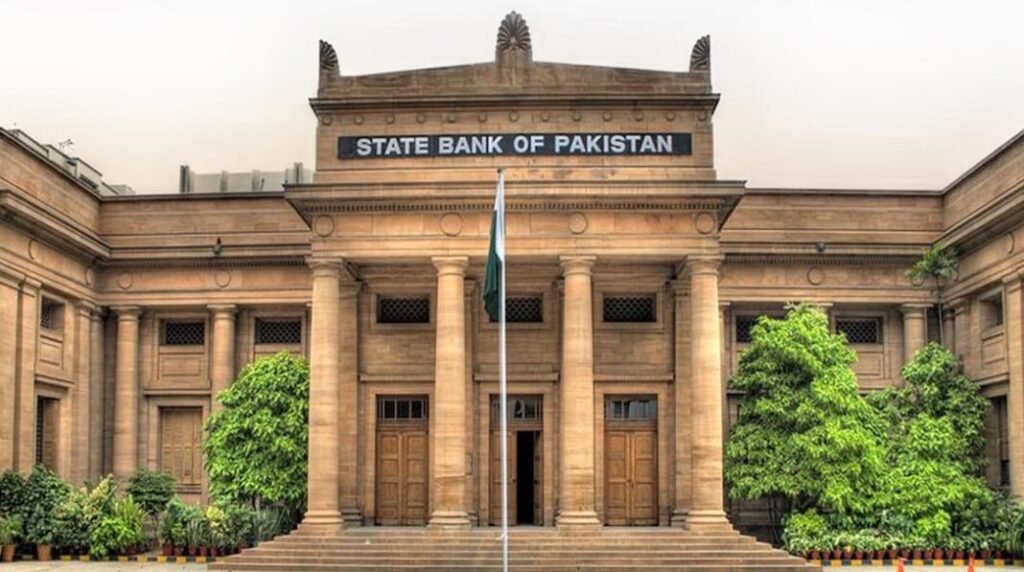
The State Bank of Pakistan (SBP) held the lion’s share, with reserves amounting to US$16.07 billion. This central bank stockpile is critical for managing exchange rate volatility, meeting external debt obligations, and supporting imports during periods of stress.
Meanwhile, commercial banks collectively held US$5.17 billion in net foreign reserves. These reserves facilitate trade financing, foreign payments, and cross-border transactions essential for day-to-day business activity.
Combined, these figures pushed Pakistan Liquid Foreign Reserves to US$21.24 billion, reinforcing a sense of short-term external stability.
A Modest Weekly Increase but a Strong Signal
During the week ending January 9, 2026, the State Bank of Pakistan’s reserves increased by US$16 million. While the figure may appear small on the surface, analysts see it as symbolically important.
Why This Matters
Even incremental gains in Pakistan Liquid Foreign Reserves suggest:
• Improved foreign inflows or controlled outflows
• Better balance-of-payments management
• Reduced immediate pressure on the Pakistani rupee
In an environment where reserve depletion can trigger currency instability, every upward movement strengthens market sentiment.
Why Pakistan Liquid Foreign Reserves Matter to the Economy
- Currency Stability
Healthy Pakistan Liquid Foreign Reserves help the SBP intervene in currency markets when needed, reducing extreme fluctuations in the rupee and calming speculative pressures.
- Inflation Control
Stable reserves support import financing especially for fuel, food, and raw materials helping prevent sudden price shocks that drive inflation higher.
- Investor Confidence
Foreign investors closely track Pakistan Liquid Foreign Reserves as a key risk indicator. Rising reserves improve Pakistan’s credibility in global capital markets.
- Policy Flexibility
Stronger reserves give policymakers more breathing room when negotiating external financing or managing debt repayments.
Is This the Start of a Sustainable Trend?
While the latest data on Pakistan Liquid Foreign Reserves is encouraging, economists caution against over-optimism. Sustainable reserve growth depends on:
• Continued export growth
• Stable remittances
• Controlled imports
• Successful external financing arrangements
Still, the January 2026 numbers suggest that Pakistan may be gradually moving away from crisis-management mode toward cautious consolidation.
What Businesses Should Watch Next
For businesses, especially those involved in imports, exports, and foreign payments, Pakistan Liquid Foreign Reserves are more than just statistics. They directly influence:
• Exchange rate expectations
• Cost of imported inputs
• Interest rate decisions
• Overall economic confidence
If reserves continue to trend upward, it could signal a more predictable operating environment in the months ahead.
Final Thoughts
The latest update on Pakistan Liquid Foreign Reserves offers a measured but meaningful sign of economic stabilization. While challenges remain, the ability to maintain reserves above the US$21 billion mark and even post weekly gains reflects improving financial discipline and external management.
For now, all eyes remain on whether Pakistan can convert these small wins into long-term resilience.