
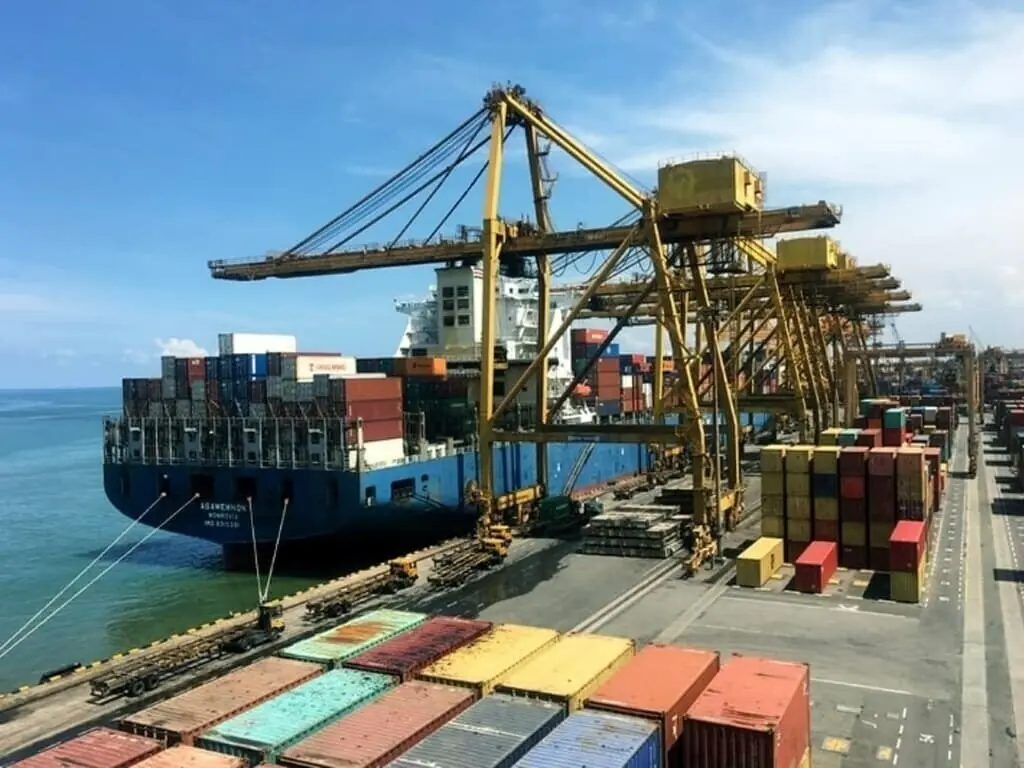
Port Qasim Industrial Complex is at the heart of Pakistan’s ambitious plan to build a globally competitive, climate-resilient industrial and logistics ecosystem that supports long-term economic growth, export expansion, and environmental sustainability.
The federal government has unveiled a comprehensive master plan to develop Port Qasim into a modern industrial hub that aligns with Pakistan’s broader objectives of industrialization, trade diversification, and blue economy development. The plan reflects a long-term vision to strengthen investor confidence while ensuring strict environmental compliance.
Port Qasim Industrial Complex and Pakistan’s Economic Vision
Federal Minister for Maritime Affairs Muhammad Junaid Anwar Chaudhry described Port Qasim Industrial Complex as a “gateway to national prosperity,” emphasizing its strategic importance in Pakistan’s long-term economic framework.
According to the minister, the climate-resilient industrial hub is projected to generate tens of billions of dollars in economic activity over the next two decades, significantly enhancing Pakistan’s industrial base. The initiative is also expected to create hundreds of thousands of jobs, stimulate export-led growth, and strengthen supply chains across key sectors.
A strong focus on sustainability, he noted, will help mitigate long-term environmental and economic risks an increasingly important factor for global investors evaluating emerging markets.
Master Plan of Port Qasim Industrial Complex: Scale and Scope
The Port Qasim Industrial Complex master plan spans 14,590 acres and follows a phased development strategy designed to ensure balanced land use, efficient port operations, and long-term sustainability over a 50-year horizon.
Instead of fragmented development, the plan introduces a structured zoning model that supports diversified industrial activity while safeguarding environmentally sensitive areas.
Industrial Zoning Strategy within Port Qasim Industrial Complex
The development is divided into three major industrial zones, each serving a distinct economic purpose.
The North Western Zone, covering 3,061 acres, is earmarked for diversified industrial activity. This area will support value-added manufacturing, port-linked ancillary services, and light-to-medium industries that benefit from proximity to port operations.
The Eastern Zone, the largest at 7,273 acres, will form the industrial backbone of the complex. It is designed to accommodate heavy industries, export-oriented manufacturing units, and large-scale logistics facilities essential for regional and international trade.
The South Western Zone, spanning 2,258 acres, is allocated for specialized industrial and commercial uses. In addition, 1,997 acres of low-lying land will be developed in carefully planned phases, incorporating environmental safeguards to ensure sustainable utilization.
This zoning approach ensures that Port Qasim Industrial Complex grows in an orderly, efficient, and environmentally responsible manner.
Existing Capacity and Investor Confidence at Port Qasim Industrial Complex
Highlighting existing momentum, the minister revealed that Port Qasim Industrial Complex currently hosts 833 operational industrial units, with another 40 units under construction. This sustained expansion reflects strong investor confidence and the port’s growing role as an industrial hub.
The government remains committed to improving the ease of doing business by streamlining approvals, upgrading infrastructure, and introducing digital systems that enhance transparency and efficiency.
Strategic Role of Port Qasim Industrial Complex in National Supply Chains
Port Qasim Industrial Complex plays a critical role in Pakistan’s national supply chain and energy security. The port handles bulk cargo, liquid chemicals, energy imports, and industrial raw materials that are vital to sectors such as manufacturing, energy, construction, and exports.
To further enhance competitiveness, the government plans to modernize port infrastructure, strengthen road and rail connectivity, and integrate advanced digital logistics systems. These upgrades aim to reduce costs, improve turnaround times, and align operations with international standards.
Positioning Port Qasim Industrial Complex as a Regional Hub
The ultimate objective is to position Port Qasim Industrial Complex as a regional industrial and logistics hub that supports Pakistan’s economic transformation. By combining climate resilience, industrial scale, and operational efficiency, the port is set to become a cornerstone of sustainable development and export growth.
As global trade increasingly prioritizes sustainability and efficiency, Port Qasim’s long-term vision places Pakistan in a stronger position to compete in regional and international markets.