
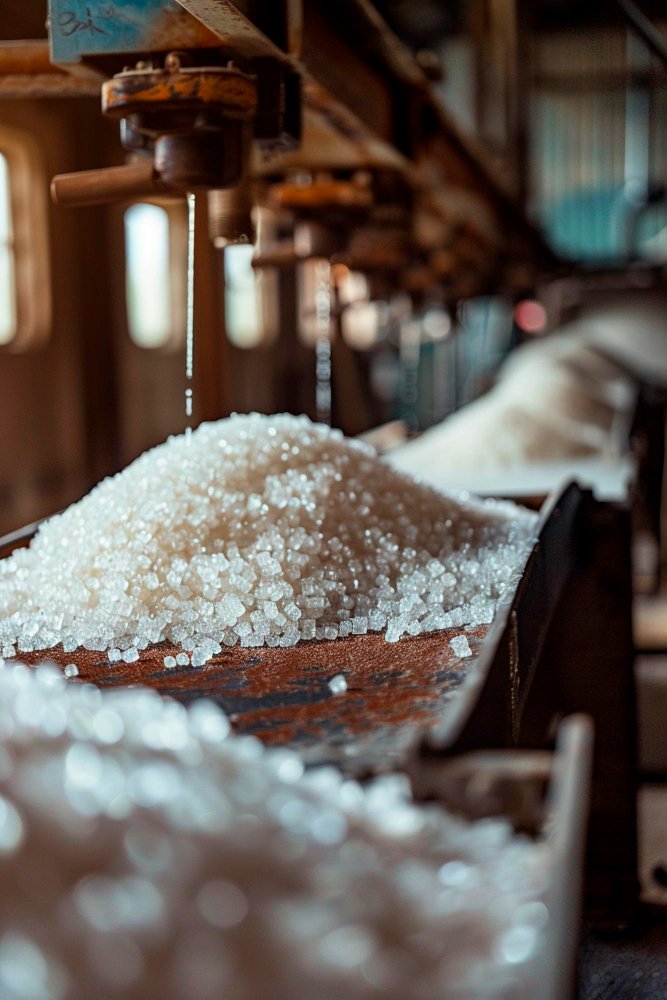
In a landmark decision announced on January 8, 2026, the Pakistani government has committed to fully deregulating the sugar sector, aligning with structural reforms mandated by the International Monetary Fund (IMF). This policy shift, developed in consultation with farmers and sugar industry stakeholders, aims to transition the industry from decades of state control to a market-driven model. Following the successful deregulation of the wheat sector, sugar now becomes the next major agricultural commodity to undergo liberalization, signaling a broader move towards reducing government intervention in key economic sectors.
Read More: https://theboardroompk.com/pakistan-fertilizer-sector-urea-sales-set-a-historic-record/
Key Reforms and Implications
The comprehensive reform plan eliminates several longstanding regulations. Farmers will gain unrestricted freedom to cultivate sugarcane, choosing varieties and planting zones without government restrictions, and can sell their produce to any mill or divert it for alternative uses like jaggery production. The minimum support price for sugarcane will be abolished, allowing prices to be determined purely by supply and demand dynamics.
Export subsidies and quotas will be removed, while bans on sugar imports and exports will be lifted to enable free trade. Additionally, restrictions on establishing new sugar mills will end, fostering competition. Closed mills will be permitted to import raw sugar for processing, and all mills can refine imported raw materials alongside local sugarcane to boost capacity utilization and refined sugar exports.
To safeguard farmers, authorities will annually publish a list of prohibited low-yield sugarcane varieties before sowing seasons. These measures are expected to enhance competitiveness, reduce fiscal burdens on the government, and promote efficiency. However, the transition may initially challenge stakeholders accustomed to regulated prices, potentially leading to short-term volatility in sugar prices.
Overall, this deregulation promises a more dynamic sugar industry, potentially increasing exports and attracting investment, while fulfilling IMF commitments for fiscal relief and market-oriented reforms.