
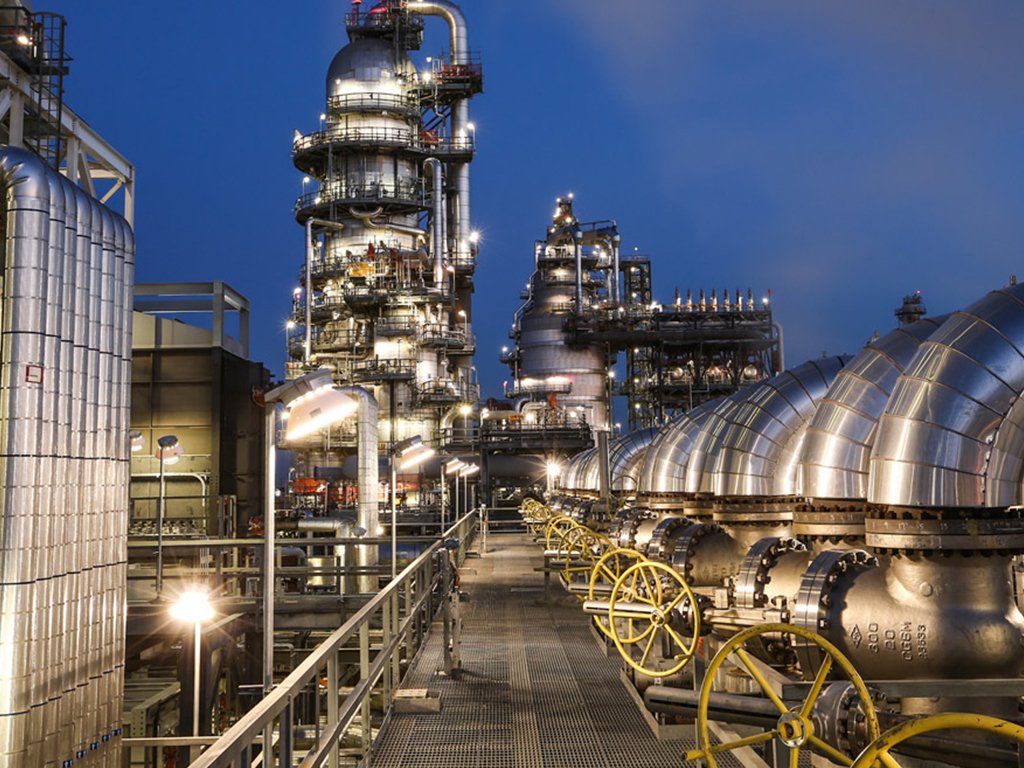
Pakistan refinery capacity crisis has emerged as a serious challenge for the country’s energy sector, as rising fuel imports continue to overshadow domestic refining capabilities. Despite importing nearly 70% of petrol and 30% of diesel, Pakistan’s largest oil refineries are operating at only around 65–70% capacity, highlighting deep-rooted structural and policy failures.
This imbalance between imports and local production is raising alarms about Pakistan’s long-term energy security, foreign exchange stability, and industrial competitiveness.
Pakistan Refinery Capacity Crisis: Underutilized Assets Amid Rising Demand
Pakistan has several major oil refineries with the technical ability to meet a significant portion of domestic fuel demand. However, the Pakistan refinery capacity crisis is driven by outdated infrastructure, lack of investment incentives, and policy uncertainty.
In simple terms, while fuel demand continues to rise due to population growth and economic activity, refineries are unable to operate at full capacity because their decades-old technology is not designed to process modern fuel specifications efficiently. This has forced Pakistan to rely heavily on imported refined petroleum products instead of upgrading local capacity.
How Fuel Imports Are Worsening the Pakistan Refinery Capacity Crisis
The scale of fuel imports paints a worrying picture. Pakistan currently imports:
• Approximately 70% of its petrol consumption
• Around 30% of its diesel needs
This heavy dependence on imports puts constant pressure on the country’s foreign exchange reserves, especially during periods of high global oil prices. Each shipment of imported fuel adds to Pakistan’s trade deficit and increases vulnerability to external supply disruptions.
The Pakistan refinery capacity crisis also undermines local refineries’ financial viability. When cheaper imported fuel floods the market, domestic refineries struggle to compete, leading to further underutilization of existing capacity.
Outdated Technology at the Core of the Pakistan Refinery Capacity Crisis
One of the most critical contributors to the Pakistan refinery capacity crisis is obsolete refining technology. Most local refineries were built decades ago and lack the ability to produce Euro-V compliant fuels, which are now the global standard for cleaner emissions.
Without major upgrades, refineries cannot efficiently convert crude oil into high-demand products like petrol and diesel. As a result, they either operate below capacity or produce lower-value fuel oil, which has limited domestic demand.
Policy Uncertainty and Investment Gaps Deepen the Crisis
Policy inconsistency remains another major obstacle. Frequent changes in energy policies, unclear pricing mechanisms, and delayed incentives have discouraged long-term investment in refinery modernization.
Although refinery upgrade policies have been announced in the past, implementation delays have stalled progress. This uncertainty has worsened the Pakistan refinery capacity crisis, leaving investors hesitant to commit billions of dollars required for technological upgrades.
Economic and Strategic Risks of the Pakistan Refinery Capacity Crisis
The implications of the Pakistan refinery capacity crisis extend far beyond the energy sector. Economically, it increases reliance on imports, weakens the rupee, and exposes the country to global price shocks.
Strategically, underutilized refineries mean Pakistan lacks adequate buffer capacity during supply disruptions or geopolitical tensions. In emergencies, dependence on imported fuel could severely impact transportation, agriculture, and industrial output.
The Way Forward: Resolving the Pakistan Refinery Capacity Crisis
Addressing the Pakistan refinery capacity crisis requires a coordinated approach:
• Clear and consistent refinery upgrade policies
• Attractive fiscal incentives for modernization
• Long-term pricing certainty
• Support for cleaner fuel production
By enabling refineries to operate closer to full capacity, Pakistan can reduce import dependence, strengthen energy security, and create a more resilient fuel supply chain.
The Pakistan refinery capacity crisis is a structural issue that can no longer be ignored. While fuel imports temporarily bridge supply gaps, they are not a sustainable solution. Revitalizing domestic refining capacity is critical for safeguarding Pakistan’s economy, reducing external vulnerabilities, and ensuring long-term energy security