
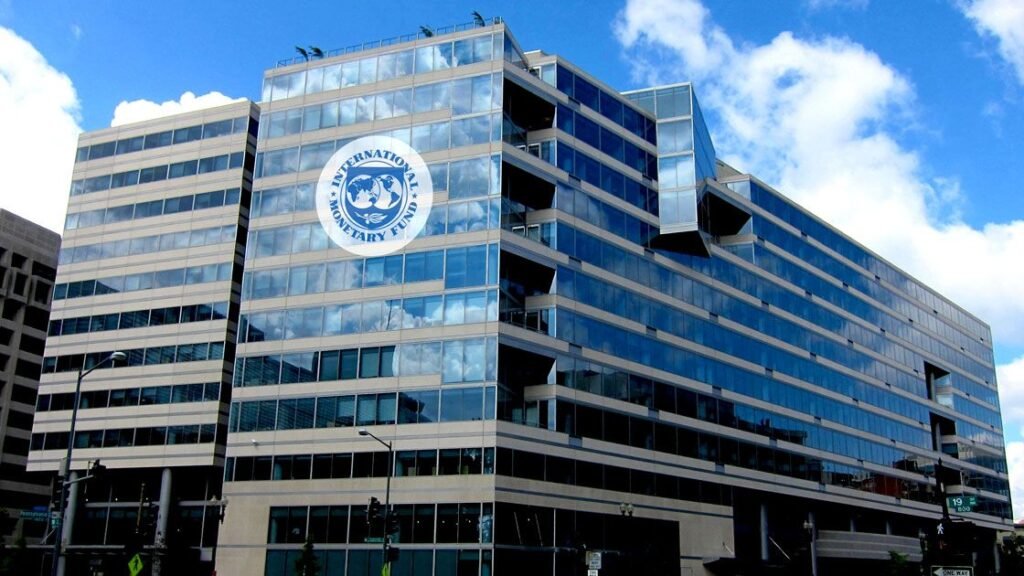
In a year marked by climate shocks, economic uncertainty and global volatility, Pakistan has quietly secured an encouraging vote of confidence from the International Monetary Fund (IMF). In its latest staff-level report for the second review, the IMF applauded the State Bank of Pakistan (SBP) for adopting an “appropriately tight” monetary policy stance, one that has played a crucial role in stabilizing the country’s macroeconomic outlook.
Despite the severe supply disruptions triggered by recent floods, the SBP’s decision to hold the policy rate at 11% has helped anchor inflation expectations and keep Pakistan’s price pressures under control. According to the IMF, Pakistan’s inflation is expected to stay within the central bank’s medium-term target range of 5–7%, a notable achievement given the global inflation trend and domestic shocks.
A Data-Driven Approach That Builds Trust:
The IMF’s assessment underscores an important shift in Pakistan’s economic management: a more data-driven, transparent, and proactive central banking strategy.
The report especially highlighted three SBP initiatives:
• Strengthening its monetary policy framework
• Enhancing communication with semi-annual monetary policy reports
• Improving transparency through updated inflation expectations surveys
These steps, according to the IMF, have helped the SBP manage inflation risks while also supporting a measured economic recovery.
For businesses and investors, this signals a central bank that is more predictable, more transparent, and more aligned with global best practices, a crucial component for building long-term economic confidence.
Monitoring Flood Impacts and Staying Vigilant:
The IMF also pointed out that Pakistan must remain vigilant as the effects of recent floods continue to influence both inflation and the external sector. It urged the SBP to stay ready to take decisive action if inflationary pressures re-emerge.
This call for continued vigilance highlights the delicate balance Pakistan must maintain: supporting recovery while keeping inflation expectations anchored.
Foreign Exchange Reforms Strengthening Market Stability:
On the foreign exchange front, the IMF had positive feedback as well. The State Bank’s efforts to rebuild foreign exchange reserves and deepen the interbank FX market have strengthened Pakistan’s external buffers.
One significant reform praised by the IMF was the SBP’s revision of Foreign Exchange Exposure Limits (FEEL) for banks, an adjustment that gives financial institutions more flexibility in managing FX positions while maintaining robust risk controls.
Additional areas where the IMF encouraged further reforms include:
• Strengthening remittance channels
• Gradually unwinding temporary capital flow measures
• Continuing efforts to stabilize the exchange rate
Advancing Financial Sector Reforms:
Beyond monetary policy, the IMF also acknowledged Pakistan’s progress on broader financial reforms:
• Developing domestic capital markets
• Strengthening AML/CFT frameworks
• Regulating virtual assets responsibly
• Balancing innovation with investor protection
These reforms are part of a comprehensive strategy to modernize Pakistan’s financial sector, align with global standards, and foster a healthier business environment.
A Balanced Path Forward for Pakistan’s Economy:
The IMF’s message is clear: Pakistan has taken important steps in the right direction, but maintaining momentum is essential. To sustain macroeconomic stability and reinforce investor confidence, the Fund advises Pakistan to continue:
• Tight, data-driven monetary policy
• Strong financial supervision and regulation
• A flexible, market-based exchange rate
• Deepening of FX and capital markets
The combination of these measures, along with ongoing structural reforms, places Pakistan in a stronger position to navigate short-term shocks while laying the groundwork for long-term economic growth.
For Pakistan’s business community, investors, and policymakers, the IMF’s latest assessment offers a grounded sense of optimism. While challenges remain, the country’s monetary policy discipline, strengthened financial reforms, and improving transparency are building a more resilient economic foundation.
As global uncertainties persist, staying committed to reforms will be key to turning stability into sustainable growth and positioning Pakistan as a stronger player in the regional and international markets.